

Operation Process and Working Principle of Dry Sludge Powder Conveying
Understanding the operation process and working principle of dry sludge powder conveying is crucial for optimizing waste management and industrial processes. This article provides a detailed overview of how these systems function, emphasizing the technical aspects and operational efficiency.
About HeadPowder Engineering Co., Ltd.
HeadPowder, a leading provider in the field, is dedicated to delivering innovative solutions for sludge handling and transportation. With a strong presence in Shandong, China, the company specializes in engineering and manufacturing equipment tailored to meet the unique demands of industrial waste management.
Operation Process of Dry Sludge Powder Conveying
The operation of dry sludge powder conveying systems involves several key steps that ensure efficient and reliable transport of sludge materials. The process typically begins with the preparation of the sludge, where it is dried and processed into a fine powder. This step is critical as it transforms the wet sludge into a dry, manageable form suitable for pneumatic or mechanical conveying.
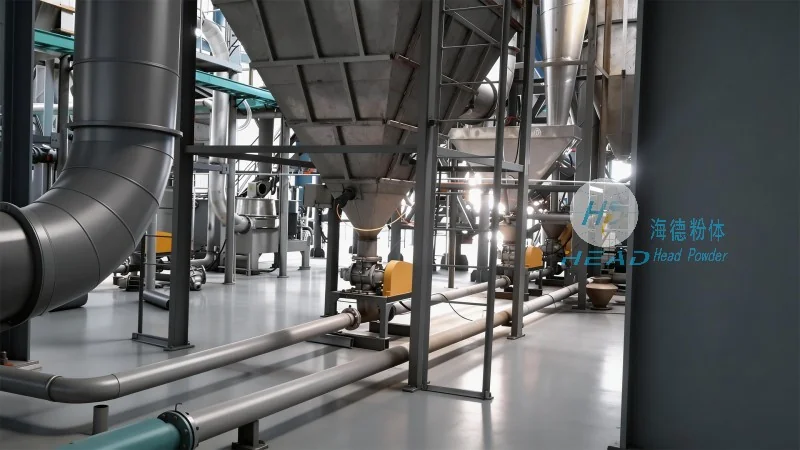
Once the sludge is in powder form, it is fed into the conveying system. The system may utilize various components such as hoppers, feeders, and ducts to direct the material. Pneumatic conveying systems, for instance, use air pressure to move the powder through pipelines, while mechanical systems rely on positive displacement pumps or screw conveyors. The choice of system depends on factors like the sludge characteristics, distance to be conveyed, and required flow rate.
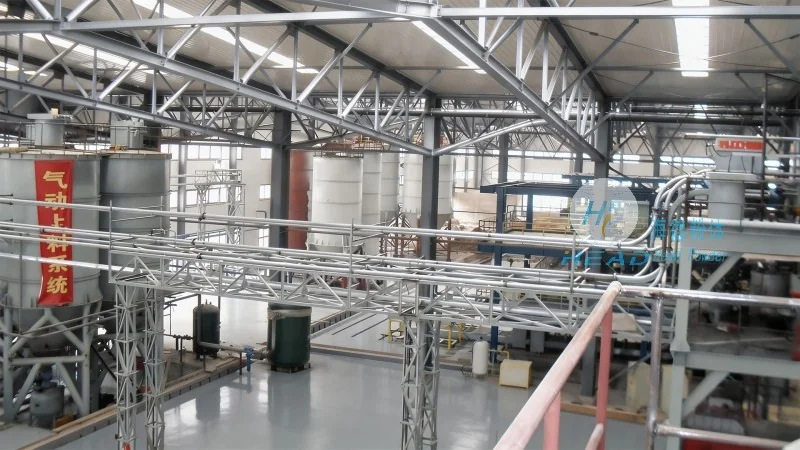
During the conveying process, the system maintains consistent pressure and flow to prevent blockages and ensure smooth operation. Sensors and control mechanisms are often integrated to monitor the system's performance, adjusting parameters as needed to maintain optimal conditions. This automation enhances reliability and reduces downtime, making the process more efficient.
Working Principle of Dry Sludge Powder Conveying
The working principle of dry sludge powder conveying systems is based on the principles of fluid dynamics and mechanical transport. In pneumatic systems, the sludge powder is suspended in a stream of air, creating a slurry that is propelled through the pipeline. The air pressure and velocity are carefully controlled to ensure the powder remains suspended and moves without settling or clogging.
For mechanical systems, the sludge powder is transported using rotating components like screws or belts. These components push the material forward, maintaining a consistent flow rate. The design of the conveying equipment, including the size of the ducts and the speed of the mechanical parts, is optimized to handle the specific properties of the sludge, such as its particle size, moisture content, and density.
Both pneumatic and mechanical systems rely on the principles of mass flow and pressure differentials to move the sludge. The system starts with an inlet where the powder is introduced, and it moves through the pipeline to the outlet, where it is deposited for further processing or disposal. The entire process is designed to be energy-efficient and environmentally friendly, minimizing the impact on the environment while maximizing operational efficiency.
Applications and Benefits of Dry Sludge Powder Conveying
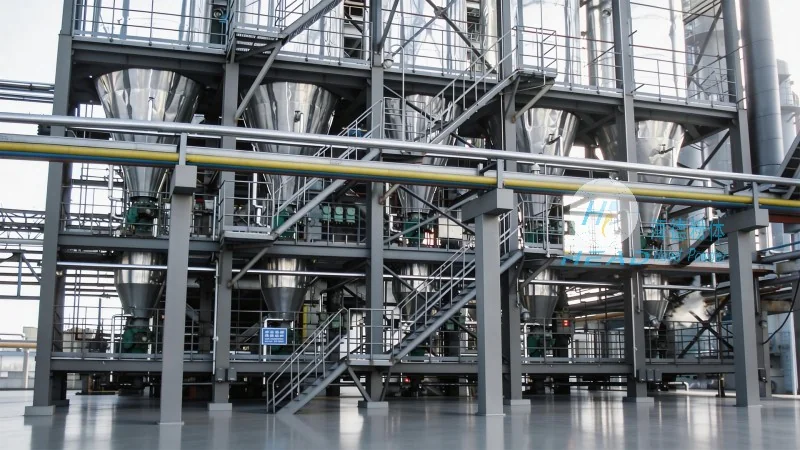
Dry sludge powder conveying systems are widely used in various industries, including wastewater treatment, municipal solid waste management, and industrial manufacturing. The benefits of using these systems include improved safety, as the sludge is handled in a dry form, reducing the risk of slip and fall accidents and minimizing odors. Additionally, the dry process reduces the volume of sludge, making it easier to transport and store.
The systems also enhance operational efficiency by automating the conveying process, reducing the need for manual handling and labor. This leads to cost savings and increased productivity. Furthermore, the dry sludge can be more easily processed or disposed of, as it is less likely to clog equipment or cause corrosion in pipelines.
Contact Information
HeadPowder Engineering Co., Ltd. is located in Shandong, China, and serves clients globally with its advanced sludge handling solutions. The company's commitment to quality and innovation ensures that its products meet the highest standards of performance and reliability.