Operation Process and Working Principle of Desulfurization and Dust Removal Fly Ash Pneumatic Convey
Release time:2026-09-20 13:01:39
name of the company:Shandong Headpowder Engineering Co., Ltd.
telephone:156-6277-7102
contacts:Zhang manager
Desulfurization and dust removal processes in power plants and industrial facilities generate large volumes of fly ash, which requires efficient and reliable handling systems. The pneumatic conveying system for fly ash is a critical component in managing these byproducts, ensuring safe and effective transportation from the source to storage or disposal sites. This article provides an overview of the operation process and working principle of such systems, highlighting the key components and the role of companies like Shandong HeadPowder Engineering Co., Ltd. in delivering advanced solutions.
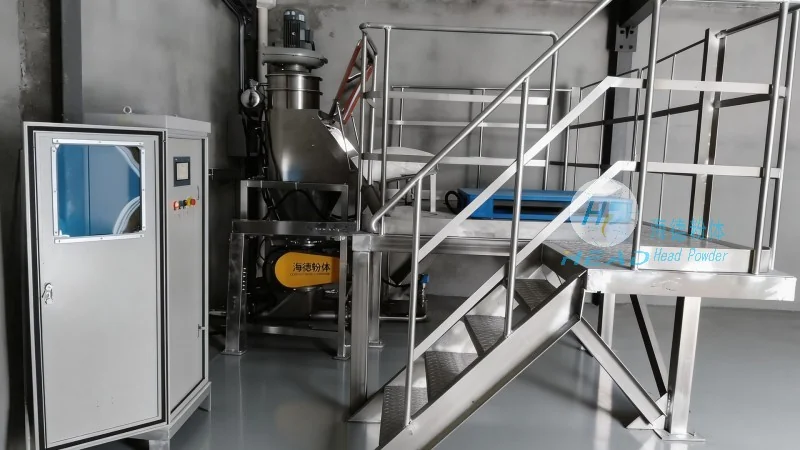
About Shandong HeadPowder Engineering Co., Ltd.
HeadPowder, a leading provider of engineering solutions for industrial material handling, specializes in designing and manufacturing pneumatic conveying systems tailored to the needs of power generation and environmental protection industries. With a strong presence in China, particularly in Shandong province, the company leverages decades of experience to develop systems that meet stringent environmental and operational standards. The company’s commitment to innovation and quality ensures that its products, including the fly ash pneumatic conveying systems, are reliable, efficient, and compliant with industry regulations.
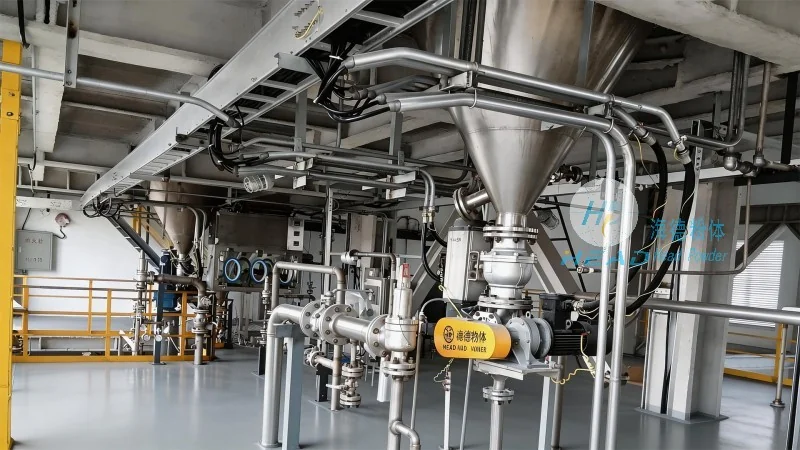
Operation Process of the Fly Ash Pneumatic Conveying System
The operation of a typical fly ash pneumatic conveying system involves several key steps, each designed to ensure the safe and efficient transport of ash particles. The process begins with the collection of fly ash from the desulfurization and dust removal equipment, which is typically stored in a hopper or silo. From there, the ash is drawn into the system by a vacuum or pressure source, depending on the system design. The system then uses a combination of air and mechanical components to move the ash through a network of pipes to the destination, such as a storage silo or a disposal site. The control system monitors the flow rate, pressure, and other parameters to maintain optimal performance and prevent blockages or other issues. At the destination, the ash is discharged into a container or hopper, completing the cycle. The entire process is automated, with minimal human intervention, ensuring consistent and reliable operation.
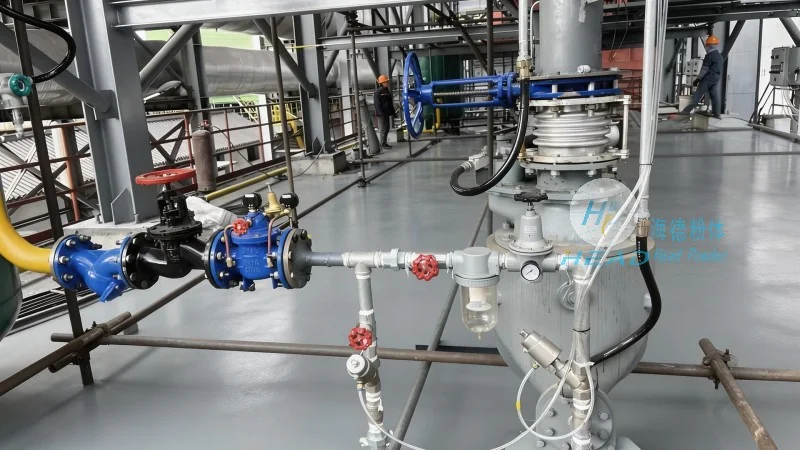
Working Principle of the Pneumatic Conveying System
The core of the fly ash pneumatic conveying system is the principle of pneumatic transport, which involves the movement of solid particles (fly ash) suspended in a gas stream (air). The system can operate under either positive pressure (blowing air into the system) or negative pressure (sucking air out of the system). In positive pressure systems, a blower or compressor generates high-pressure air that pushes the ash through the pipes. The air and ash mixture travels at high velocity, allowing the ash to be transported over long distances and through complex pipe networks. In negative pressure systems, a vacuum pump creates a low-pressure environment that draws the ash into the system. The air flow is carefully controlled to maintain the proper velocity and pressure, ensuring that the ash particles remain suspended and do not settle or cause blockages. The system also includes components such as cyclone separators, filters, and dust collectors to separate the ash from the air and prevent dust emissions. These components are essential for maintaining air quality and ensuring compliance with environmental regulations.




