

Arsenic Trioxide Pneumatic Conveying Machine: Operation Process and Working Principle
For industries dealing with arsenic trioxide, the efficient and safe handling of this hazardous material is paramount. The Arsenic Trioxide Pneumatic Conveying Machine, developed by Shandong HeadPowder Engineering Co., Ltd., represents a sophisticated solution designed to meet these stringent requirements. This article delves into the operational process and underlying principles of this equipment, highlighting its role in enhancing material handling safety and productivity.
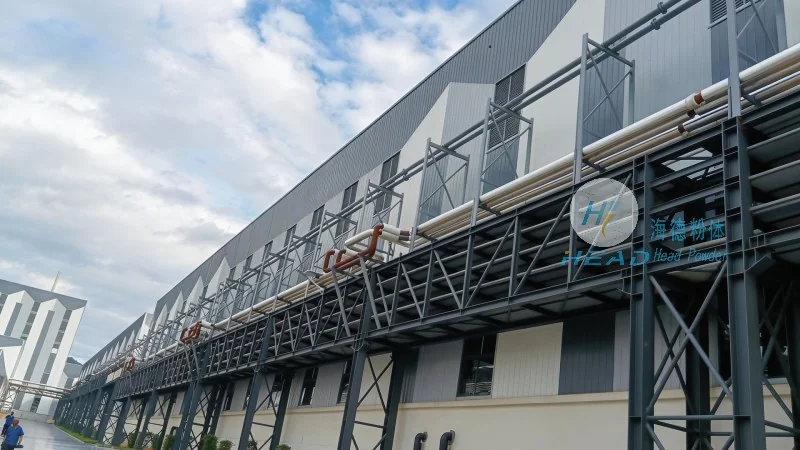
Overview of the Arsenic Trioxide Pneumatic Conveying System
The Arsenic Trioxide Pneumatic Conveying Machine is engineered to transport arsenic trioxide through an air-driven system, eliminating the need for manual handling and reducing exposure risks. As a key component in material processing, this system integrates advanced pneumatic technology to ensure reliable and controlled movement of the material. The machine's design prioritizes safety, compliance with industrial standards, and operational efficiency, making it an essential tool for facilities handling arsenic trioxide.
Key Components and Their Functions
The pneumatic conveying system consists of several critical components, each playing a vital role in the overall operation. These include the hopper for material storage, the air compressor that generates the necessary pressure, the conveying line where the material is transported, and the receiver for the final discharge. The hopper is designed with airtight seals to prevent dust emissions and ensure material containment. The air compressor provides the motive force, while the conveying line, often made of corrosion-resistant materials, ensures the safe transit of arsenic trioxide. The receiver, equipped with filtration systems, collects the material and maintains environmental compliance.
Operation Process: Step-by-Step Explanation
The operation of the Arsenic Trioxide Pneumatic Conveying Machine follows a systematic sequence to ensure smooth material transfer. Initially, the hopper is filled with arsenic trioxide, and the air compressor is activated to generate airflow. The compressed air is then introduced into the conveying line, creating a pressure differential that propels the material forward. As the material travels through the line, it is suspended in the air stream and transported to the receiver. The receiver collects the material, and the air is filtered and released, preventing any hazardous particles from escaping into the environment. This process is typically automated, with controls that monitor pressure, flow, and material levels to maintain optimal performance.
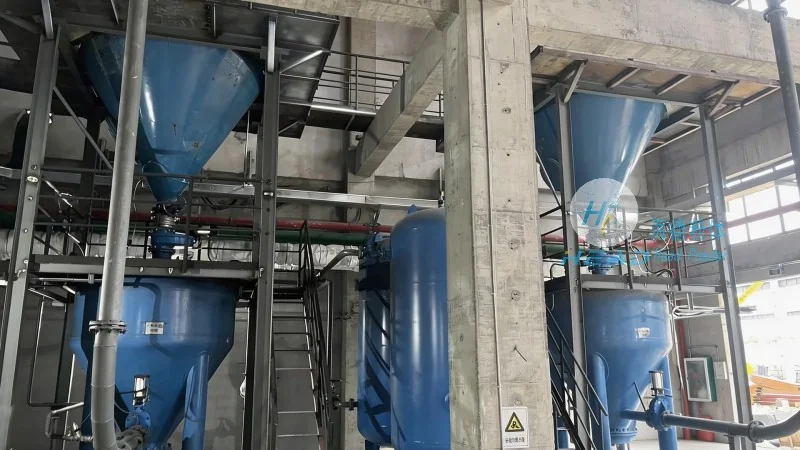
Working Principle: The Physics Behind Pneumatic Conveying
The working principle of the pneumatic conveying system is based on the fundamental physics of fluid dynamics and particle transport. The system operates by creating a high-velocity air stream that entrains the solid particles of arsenic trioxide. The air velocity is maintained above the minimum fluidization velocity, ensuring that the particles remain suspended and move efficiently through the conveying line. The pressure drop along the line is managed by the design of the components, such as the hopper, elbows, and filters, which are optimized to minimize energy consumption and prevent material deposition. The system's efficiency is further enhanced by the use of positive displacement or pressure-assisted conveying, which ensures consistent material flow and reduces the risk of clogging.
Benefits and Advantages of the System
The Arsenic Trioxide Pneumatic Conveying Machine offers numerous benefits for industrial applications. Firstly, it significantly reduces the risk of exposure to arsenic trioxide, as the material is handled in a closed system, minimizing dust and fume generation. This enhances workplace safety and compliance with environmental regulations. Secondly, the system improves operational efficiency by automating the material transfer process, reducing labor costs and increasing throughput. Thirdly, the equipment is designed for durability and low maintenance, with components made from corrosion-resistant materials to withstand the harsh conditions of arsenic trioxide handling. Additionally, the system's flexibility allows for integration with existing processing lines, making it a cost-effective solution for upgrading material handling capabilities.
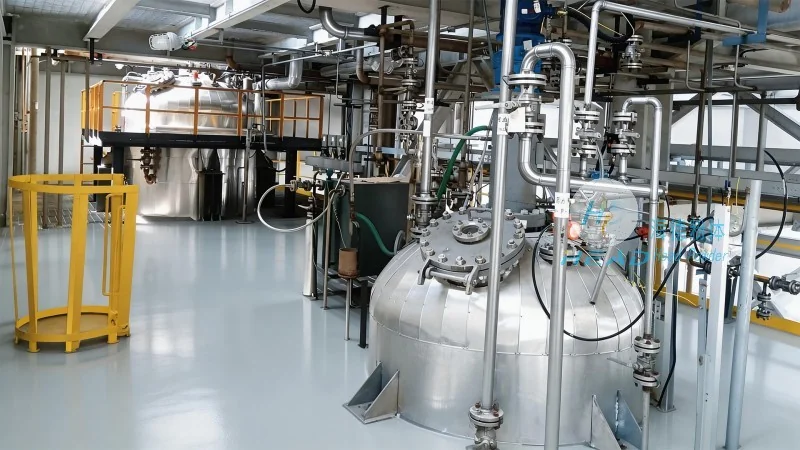
Application in Industrial Settings
The Arsenic Trioxide Pneumatic Conveying Machine is widely used in various industrial settings where arsenic trioxide is processed, such as pharmaceutical manufacturing, chemical production, and mining operations. In pharmaceutical applications, the system ensures the safe and efficient transfer of arsenic trioxide for drug formulation, maintaining product quality and regulatory compliance. In chemical production, it facilitates the handling of raw materials and intermediates, supporting continuous production processes. In mining operations, the system is used to transport arsenic trioxide from processing plants to storage or further processing facilities, ensuring safe and reliable material movement. The versatility of the system makes it suitable for a range of applications, adapting to different production scales and material handling requirements.
Maintenance and Safety Considerations
Proper maintenance and adherence to safety protocols are crucial for the long-term performance and safety of the Arsenic Trioxide Pneumatic Conveying Machine. Regular maintenance includes inspecting and cleaning the conveying line, replacing filters, and checking the air compressor for optimal performance. The system is equipped with safety features, such as pressure relief valves and dust extraction systems, to prevent accidents and ensure compliance with safety standards. Operators must be trained on the proper operation and emergency procedures to handle any potential issues, such as material blockages or equipment malfunctions. By following these guidelines, facilities can ensure the reliable and safe operation of the pneumatic conveying system, maximizing its lifespan and performance.
Conclusion
The Arsenic Trioxide Pneumatic Conveying Machine, developed by Shandong HeadPowder Engineering Co., Ltd., is a highly effective solution for the safe and efficient handling of arsenic trioxide. Through its advanced pneumatic design and systematic operational process, the machine enhances workplace safety, improves productivity, and ensures compliance with industrial standards. As a key component in material processing, this equipment plays a vital role in supporting the needs of industries dealing with hazardous materials. With its robust construction and user-friendly operation, the system provides a reliable and cost-effective approach to material handling, making it an essential investment for facilities seeking to optimize their arsenic trioxide processing operations.