

Operation Process and Working Principle of Light Calcium Gypsum Pneumatic Conveying Line
Shandong HeadPowder Engineering Co., Ltd., commonly known as headpowder, specializes in the design, manufacturing, and installation of advanced pneumatic conveying systems. The company is headquartered in Shandong, China, and has established itself as a leading provider of solutions for material handling in various industrial applications. Light calcium gypsum, a key raw material in the construction and chemical industries, requires efficient and reliable transportation methods to ensure smooth production processes. This article explores the operation process and working principle of a light calcium gypsum pneumatic conveying line, highlighting the technical aspects and operational efficiency of such systems.
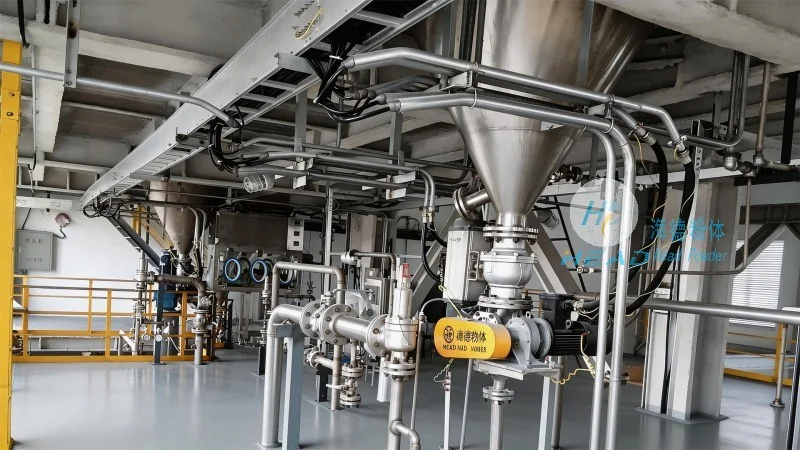
Key Components of a Light Calcium Gypsum Pneumatic Conveying Line
A light calcium gypsum pneumatic conveying line typically consists of several critical components that work in tandem to transport the material from the source to the destination. The main components include the material hopper, feeder, air compressor, conveying pipeline, dust collector, and control system. The material hopper is designed to store the light calcium gypsum, ensuring a consistent feed rate. The feeder, often a rotary valve or screw feeder, regulates the flow of the material into the conveying pipeline. The air compressor generates the necessary air pressure to move the material through the pipeline. The conveying pipeline, usually made of stainless steel or other corrosion-resistant materials, is designed to withstand the pressure and temperature of the conveying process. The dust collector is essential for capturing any fine particles that may escape during the conveying process, ensuring compliance with environmental regulations. The control system monitors and adjusts the operation of the entire system to maintain optimal performance.
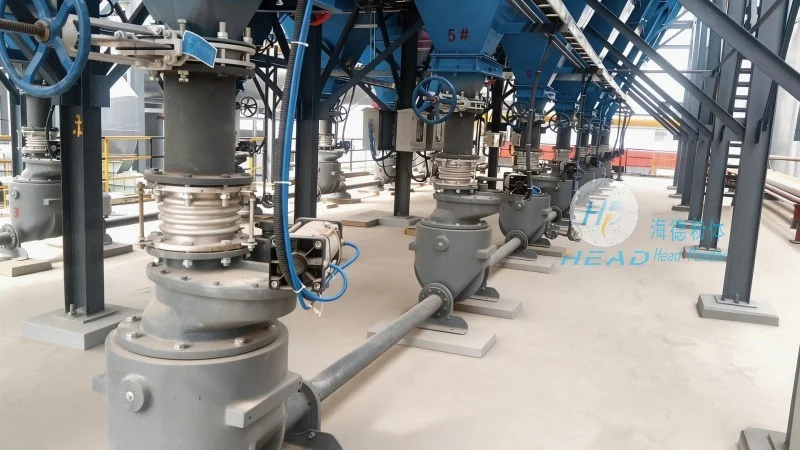
Working Principle of the Light Calcium Gypsum Pneumatic Conveying Line
The working principle of a light calcium gypsum pneumatic conveying line is based on the use of compressed air to transport the material. The process begins with the material being fed from the hopper into the conveying pipeline. The air compressor supplies high-pressure air, which is introduced into the pipeline at the inlet of the hopper. As the air flows through the pipeline, it creates a low-pressure zone that draws the light calcium gypsum particles into the air stream. The combination of the air flow and the material particles forms a dense phase or dilute phase conveying system, depending on the design and operating conditions. In a dense phase system, the material is conveyed in a slurry-like state, reducing the risk of material degradation and ensuring a more uniform flow. The conveying pipeline is equipped with bends and elbows to guide the material to the desired destination, such as a storage silo or processing unit. The dust collector at the end of the pipeline captures any fine particles that may have escaped, preventing air pollution and maintaining a clean working environment.
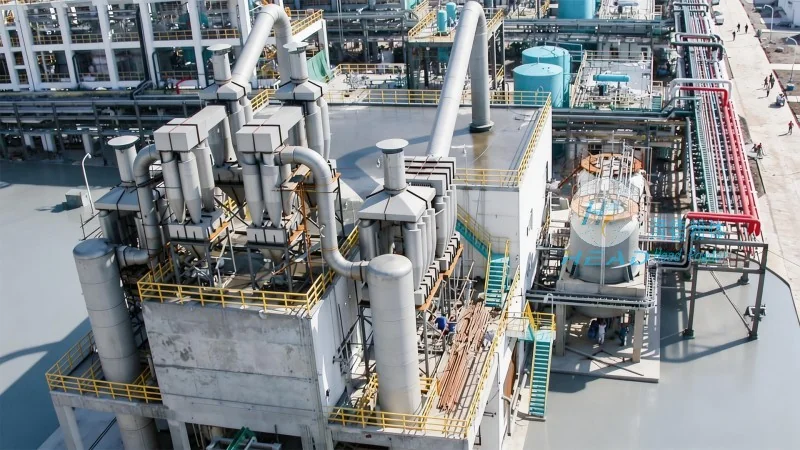
Operation Process of the Light Calcium Gypsum Pneumatic Conveying Line
The operation process of a light calcium gypsum pneumatic conveying line involves several steps that ensure efficient and continuous material transport. The process starts with the preparation of the system, which includes checking the air compressor, ensuring the material hopper is filled, and verifying the integrity of the conveying pipeline. Once the system is ready, the air compressor is started, and the feeder is activated to regulate the flow of light calcium gypsum into the pipeline. The compressed air then transports the material through the pipeline to the destination. The control system continuously monitors the pressure, flow rate, and temperature of the system, adjusting the air compressor speed or feeder speed as needed to maintain optimal performance. The dust collector operates in parallel, capturing any fine particles that may be emitted during the conveying process. The entire process is automated, with minimal human intervention required, ensuring consistent and reliable operation. The system can be stopped and started as needed, allowing for flexibility in production schedules. Regular maintenance is essential to ensure the longevity and efficiency of the system, including cleaning the dust collector, checking the air compressor filters, and inspecting the conveying pipeline for any signs of wear or damage.
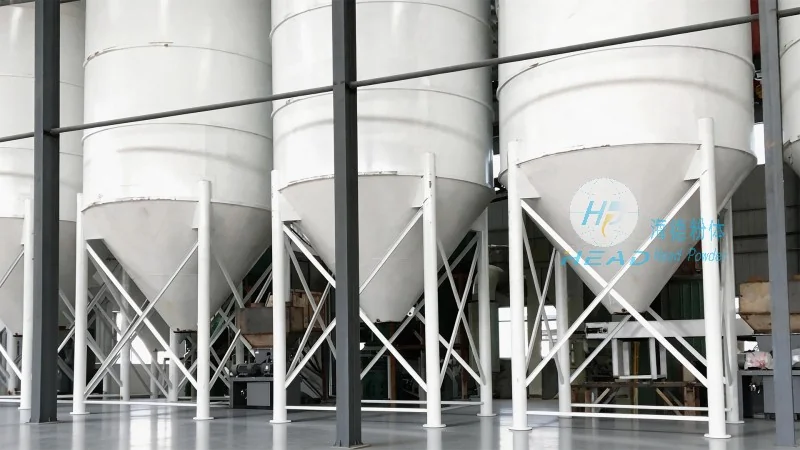
Advantages of Using a Light Calcium Gypsum Pneumatic Conveying Line
There are several advantages to using a light calcium gypsum pneumatic conveying line for material transport. One of the primary advantages is the ability to transport the material over long distances without the need for intermediate storage or handling. This reduces the risk of material degradation and ensures a more uniform product. The system is also highly flexible, allowing for changes in production volume or destination without significant modifications. The automated operation reduces labor costs and improves safety by minimizing human exposure to the material. Additionally, the system is more environmentally friendly compared to traditional methods, as it captures fine particles and prevents air pollution. The use of corrosion-resistant materials in the pipeline ensures durability and longevity, reducing the need for frequent repairs or replacements. Overall, a light calcium gypsum pneumatic conveying line offers a cost-effective and efficient solution for material handling in the construction and chemical industries.