

Operation Process and Working Principle of Tungsten Carbide Pneumatic Conveying Systems
Efficient material handling is a critical aspect of modern industrial operations, and the Tungsten Carbide Pneumatic Conveying System stands out as a robust solution for transporting tungsten carbide powders and related materials. This system, developed by Shandong HeadPowder Engineering Co., Ltd., a leading manufacturer in the field, combines advanced engineering with practical application to ensure reliable and efficient material transport. The following sections will delve into the operational process and working principles of this system, providing a comprehensive understanding of its functionality and benefits.
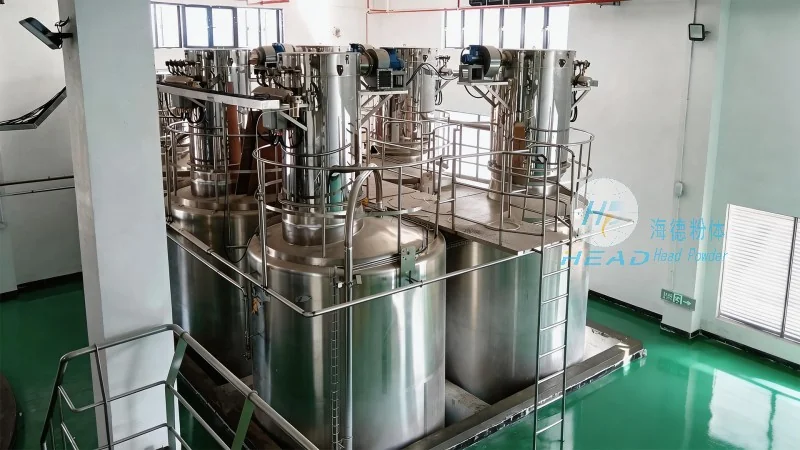
Company Overview: HeadPowder Engineering
Shandong HeadPowder Engineering Co., Ltd., commonly known as HeadPowder, is a professional enterprise specializing in the research, development, and production of high-quality material handling equipment. With a strong commitment to innovation and customer satisfaction, HeadPowder has established itself as a trusted name in the industry. The company's headquarters is located in Shandong, China, where it leverages local resources and expertise to design and manufacture cutting-edge pneumatic conveying systems tailored to diverse industrial needs. HeadPowder's products are widely used in sectors such as mining, metallurgy, and chemical processing, where the reliable transport of abrasive and high-value materials like tungsten carbide is essential.
Working Principle of the Tungsten Carbide Pneumatic Conveying System
The Tungsten Carbide Pneumatic Conveying System operates on the principle of air flow to move bulk materials through a pipeline network. At its core, the system consists of several key components, including a material hopper, a rotary valve, a pressure vessel or airlock, a pipeline system, and a dust collector. The process begins with the material being fed into the hopper from a storage silo or batch container. The rotary valve then controls the flow of material into the pressure vessel, which is charged with compressed air. As the air pressure increases, the material is forced through the pipeline under pressure, ensuring a consistent and controlled flow. The system is designed to handle the abrasive nature of tungsten carbide, with components made from wear-resistant materials to minimize wear and extend service life. The dust collector at the end of the pipeline captures any airborne particles, ensuring a clean and safe working environment.
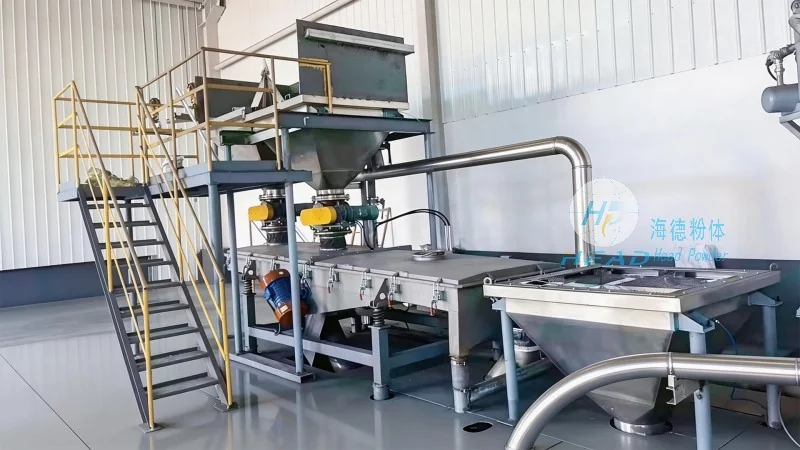
Operational Process: Step-by-Step Guide
The operational process of the Tungsten Carbide Pneumatic Conveying System involves several sequential steps that ensure smooth and efficient material transport. First, the material is loaded into the hopper from the source container. The rotary valve then opens to allow the material to enter the pressure vessel. Compressed air is then introduced into the vessel, creating a pressure differential that propels the material through the pipeline. The material travels through the pipeline system, which may include bends, branches, or expansion sections, all designed to maintain the flow velocity and prevent material settling. At the receiving end, the material is discharged into a collection bin or storage container. The system's control panel allows operators to monitor and adjust parameters such as air pressure, flow rate, and material feed rate, ensuring optimal performance. Regular maintenance, including cleaning of the hopper, valve, and pipeline, is essential to maintain the system's efficiency and longevity.
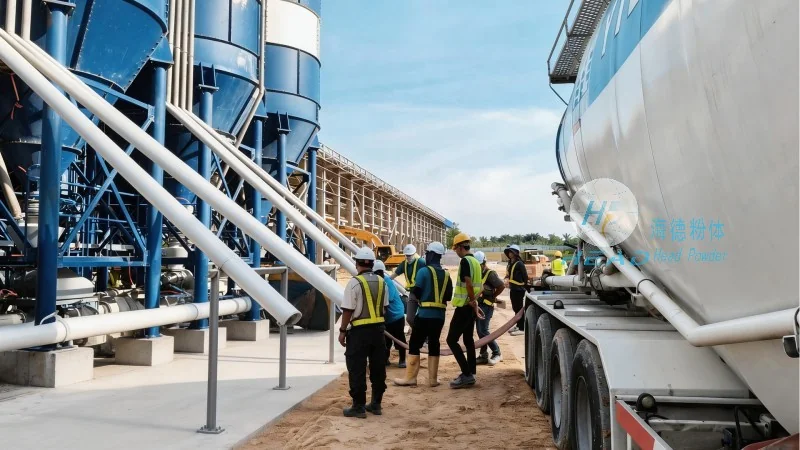
Key Features and Benefits
The Tungsten Carbide Pneumatic Conveying System offers several advantages that make it a preferred choice for industrial applications. One of the primary benefits is its ability to handle abrasive materials like tungsten carbide without causing excessive wear to the system components. The use of wear-resistant materials, such as hardened steel or special alloys, ensures that the system can withstand the harsh conditions associated with tungsten carbide processing. Additionally, the system is designed for low maintenance, with easy access to components for cleaning and replacement. The enclosed pipeline system minimizes dust emissions, contributing to a safer working environment and compliance with environmental regulations. The system's flexibility allows for integration with existing production lines, reducing downtime and increasing overall productivity. HeadPowder's expertise in customizing systems to meet specific customer requirements further enhances the system's adaptability and effectiveness.
Conclusion
In conclusion, the Tungsten Carbide Pneumatic Conveying System by Shandong HeadPowder Engineering Co., Ltd. represents a reliable and efficient solution for the transport of tungsten carbide and similar materials. By understanding the working principles and operational process, users can appreciate the system's design and functionality, which are tailored to meet the demands of modern industrial applications. With its robust construction, low maintenance requirements, and environmental benefits, this system is an excellent choice for industries requiring high-quality material handling solutions. HeadPowder's commitment to quality and innovation ensures that customers receive a product that not only meets but exceeds their expectations, contributing to improved operational efficiency and productivity.