

Principle and Working Scene Characteristics of Pneumatic Conveying Equipment for Iron Powder Materia
For industrial applications involving iron powder handling, the selection of an appropriate material handling system is crucial for efficiency, safety, and cost-effectiveness. Pneumatic conveying systems, particularly those designed for iron powder materials, offer a reliable solution that addresses the unique challenges associated with this type of bulk material. This article explores the fundamental principles behind pneumatic conveying equipment for iron powder, as well as the key characteristics of its working environments, providing insights into how such systems enhance operational performance in industrial settings.
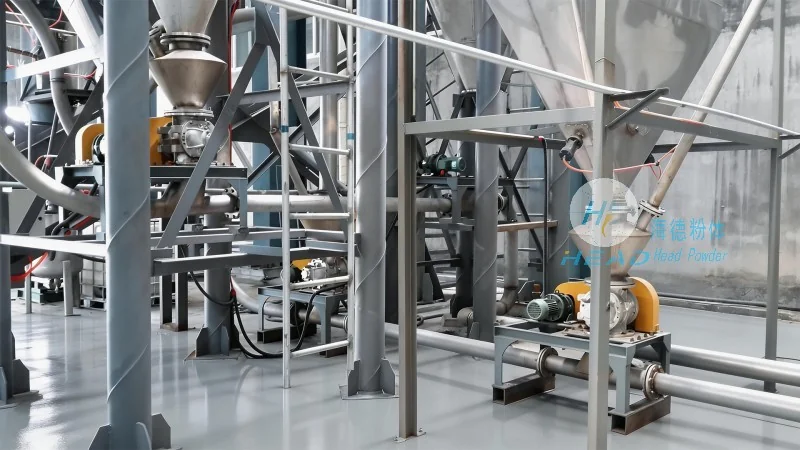
Understanding Pneumatic Conveying for Iron Powder: Core Principles
Pneumatic conveying systems utilize air or other gases to transport bulk materials like iron powder through a pipeline network. The core principle involves creating a pressure differential that propels the material along the system. There are two primary types of pneumatic conveying: pressure and vacuum systems. Pressure systems use compressed air to push the material, while vacuum systems use a vacuum to pull it. For iron powder, which is often fine and abrasive, the choice of system depends on factors such as material flow rate, distance, and the need for containment. The equipment typically includes a hopper for material storage, a feeder to control the flow rate, a conveyor line with appropriate ductwork, and a receiver for the discharged material. The design of the system must account for the particle size, density, and flow characteristics of iron powder to ensure smooth and efficient transport.
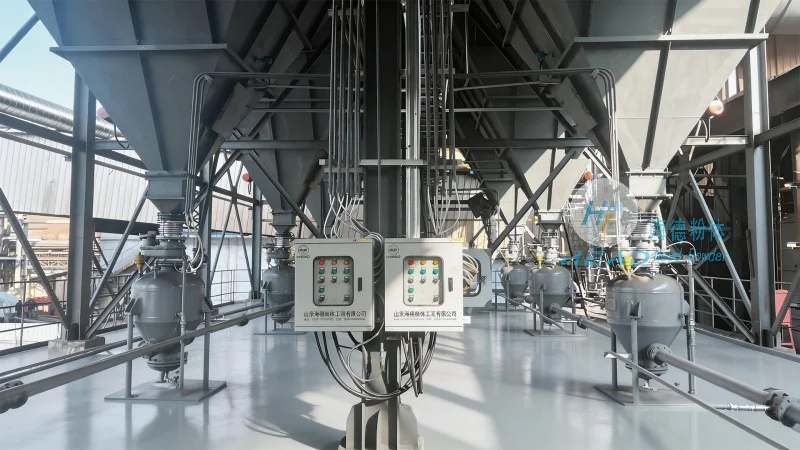
Key Working Scene Characteristics of Iron Powder Pneumatic Conveying Systems
The working environment of pneumatic conveying equipment for iron powder is characterized by several distinct features that impact system performance and operational requirements. First, the material's fine particle size and high density can lead to issues like caking or bridging in hoppers, which may require specialized hopper designs with agitators or vibrators to maintain flow. Second, the abrasive nature of iron powder can cause wear on the conveyor components, necessitating the use of durable materials such as stainless steel or special coatings on the ductwork and valves. Third, the system's design must consider the potential for dust generation, as iron powder is a fine particulate that can create health and safety hazards. Therefore, proper dust collection and filtration systems are essential to comply with environmental regulations and protect personnel. Additionally, the working environment may involve high flow rates and continuous operation, requiring robust equipment with minimal downtime for maintenance. The integration of these features into the system design ensures that it can handle the specific demands of iron powder transportation while maintaining efficiency and safety.
Application Scenarios and Operational Benefits
Pneumatic conveying equipment for iron powder is widely used in various industrial applications, including manufacturing, chemical processing, and metalworking. In manufacturing, it is commonly employed in the production of iron-based alloys, where consistent material flow is critical for quality control. The system allows for precise control over the amount of iron powder delivered to the processing line, reducing waste and improving product consistency. In chemical processing, iron powder is used as a catalyst or raw material in the production of pigments and coatings, and pneumatic conveying ensures that the material is delivered to reactors without contamination or degradation. Metalworking applications, such as the production of magnetic materials or powder metallurgy components, also benefit from the ability to transport iron powder efficiently and in a controlled manner. The operational benefits of using pneumatic conveying systems for iron powder include reduced labor costs due to automated material handling, minimized material loss through enclosed systems, and improved safety by eliminating manual handling of fine powders. Furthermore, the flexibility of pneumatic conveying allows for easy integration with existing production lines, enabling seamless material transfer between different stages of the manufacturing process.
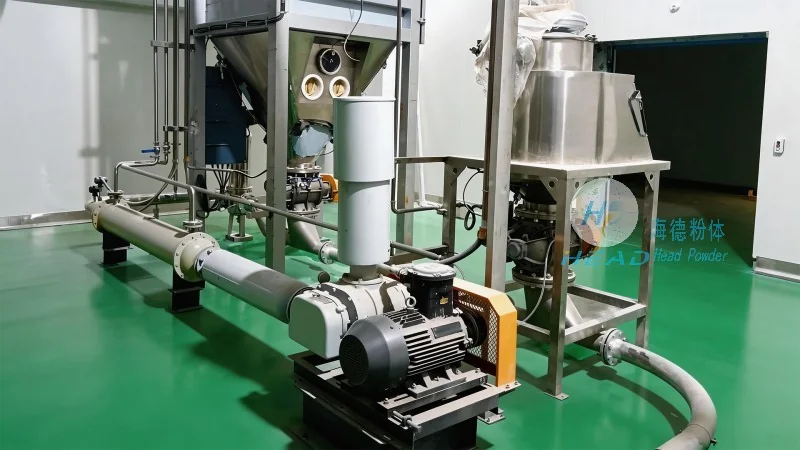
Company Profile: Shandong HeadPowder Engineering Co., Ltd.
Shandong HeadPowder Engineering Co., Ltd., operating under the brand name headpowder, is a leading manufacturer of pneumatic conveying equipment tailored for iron powder and other fine bulk materials. With a focus on innovation and quality, the company has developed advanced solutions that address the unique challenges of iron powder handling. The company's facilities are located in Shandong, China, where it leverages local expertise and resources to design and produce high-performance conveying systems. Headpowder's products are engineered to meet the specific requirements of industrial applications, ensuring reliability, efficiency, and durability. The company's commitment to customer satisfaction is reflected in its comprehensive after-sales support, including technical assistance and maintenance services. By combining advanced technology with practical experience, headpowder provides industrial clients with effective solutions for their iron powder material handling needs, enhancing their operational capabilities and productivity.