

Principle and Working Scene Characteristics of Automatic Feeding Material Pneumatic Conveying Machin
Automatic feeding material pneumatic conveying machines represent a sophisticated solution for the efficient and reliable transport of bulk materials in various industrial settings. These systems are designed to handle a wide range of materials, from powders and granules to fine particles, ensuring seamless integration into production lines. The technology behind these machines leverages the principles of pneumatic transport, utilizing air pressure to move materials through a network of pipes and components.
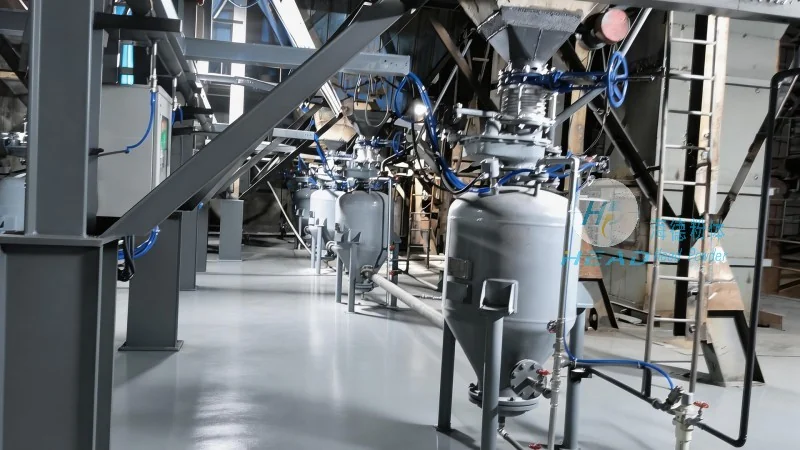
Principle of Operation
The core principle of automatic feeding material pneumatic conveying machines is the use of air as the conveying medium. By creating a pressure differential between the inlet and outlet of the system, the machine draws material into the conveying line and propels it to the desired destination. This process typically involves a hopper or feeder that automatically supplies material into the system, ensuring a continuous flow. The system may operate under positive pressure (pressure conveying) or negative pressure (suction conveying), depending on the application requirements. The design of the conveying line, including the use of bends, filters, and control valves, is critical to maintaining material flow and preventing blockages. The automatic feeding mechanism ensures that material is consistently introduced into the system, eliminating the need for manual intervention and enhancing operational efficiency.
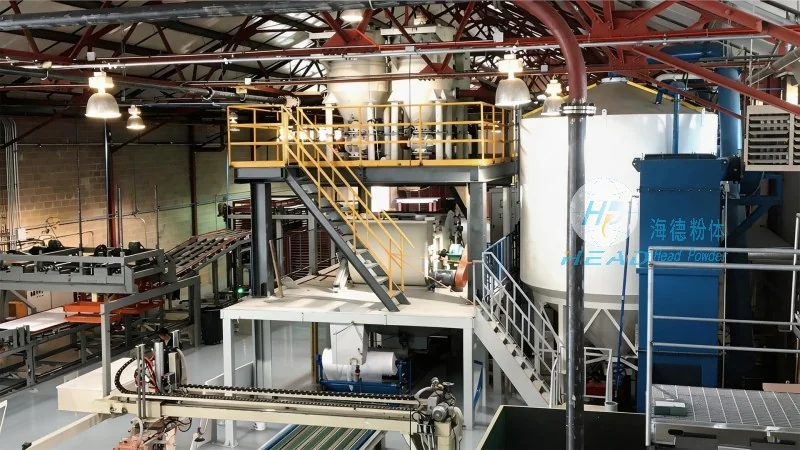
Working Scene Characteristics
The working scene characteristics of automatic feeding material pneumatic conveying machines are tailored to meet the diverse needs of industrial environments. These systems are commonly used in sectors such as food processing, pharmaceuticals, chemicals, and mining, where the handling of bulk materials requires precision and hygiene. The machines are designed to operate in clean and controlled environments, often featuring stainless steel construction to prevent contamination and ensure compliance with industry standards. In food processing applications, for example, the equipment is equipped with sanitary components that facilitate easy cleaning and maintenance, ensuring product safety. The automatic feeding feature allows for consistent material supply, which is crucial for maintaining production line efficiency and reducing downtime. Additionally, the systems are engineered to handle varying material properties, such as moisture content and particle size, making them versatile for different production requirements.
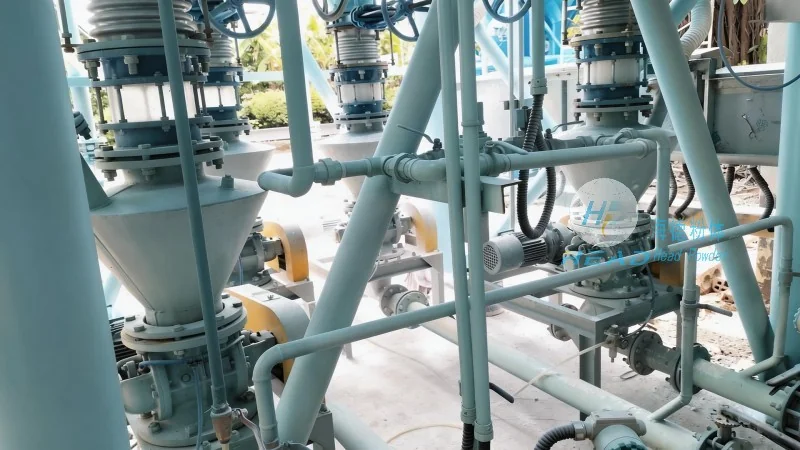
Application Scenarios and Industry Integration
Automatic feeding material pneumatic conveying machines are integrated into production lines to streamline material handling processes. In food processing facilities, these systems are used to transport ingredients like flour, sugar, and spices from storage to processing equipment, ensuring a continuous supply without manual labor. In pharmaceutical manufacturing, the machines handle active pharmaceutical ingredients (APIs) and excipients with precision, maintaining the integrity of the materials and adhering to strict quality control measures. The chemical industry utilizes these systems for transporting raw materials and finished products, such as powders and granules, in a controlled manner. The mining sector also benefits from pneumatic conveying systems, which are used to transport ore and other minerals from processing plants to storage or further processing facilities. The versatility of these machines makes them suitable for a wide range of applications, from small-scale operations to large industrial plants.
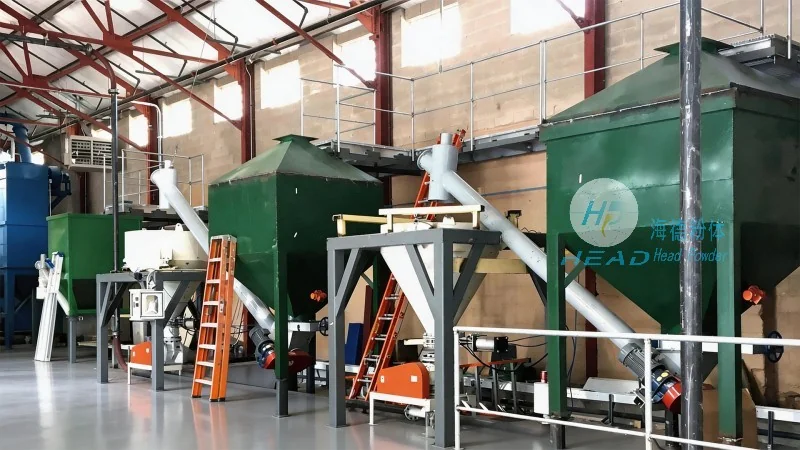
Advantages and Operational Benefits
The adoption of automatic feeding material pneumatic conveying machines offers several advantages over traditional material handling methods. One of the key benefits is the reduction in labor costs, as the automatic feeding mechanism eliminates the need for manual material handling, which is often labor-intensive and time-consuming. Additionally, these systems enhance production efficiency by providing a continuous and consistent flow of materials, minimizing downtime and improving overall throughput. The use of pneumatic transport also reduces the risk of material contamination, as the enclosed system prevents exposure to external elements and cross-contamination. Furthermore, the machines are designed for easy maintenance, with components that can be accessed and serviced without extensive downtime. The energy efficiency of pneumatic conveying systems is another advantage, as they consume less energy compared to traditional methods like belt conveyors or trucks. The compact design of these machines allows for space-saving installation, making them suitable for facilities with limited space.