

Principle and Working Scene Characteristics of Pneumatic Conveying Equipment for Aluminum Foil Mater
HeadPowder, a prominent manufacturer headquartered in Shandong, China, specializes in the development and manufacturing of pneumatic conveying equipment specifically designed for aluminum foil materials. This equipment is engineered to efficiently and safely transport aluminum foil, a lightweight and delicate material commonly used in various industrial applications, through a pneumatic system. The primary goal of this equipment is to ensure the material is handled with minimal damage, maintaining its quality and integrity throughout the conveying process.
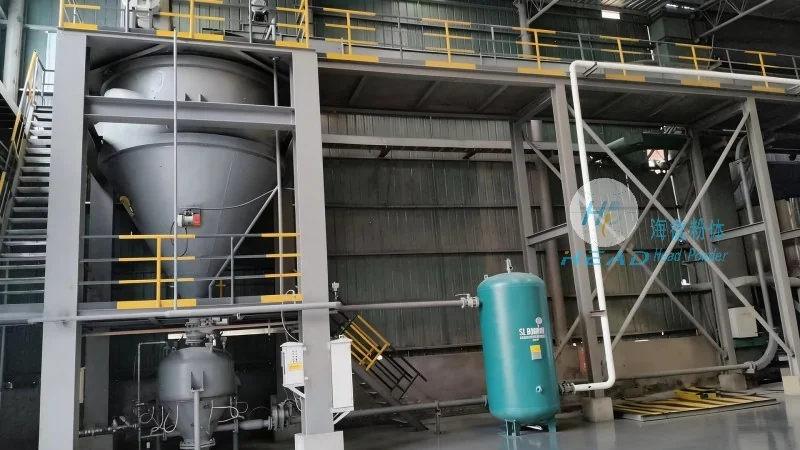
Principle of Pneumatic Conveying for Aluminum Foil
The fundamental principle of pneumatic conveying equipment for aluminum foil revolves around utilizing air as the transport medium to move the material from the source to the destination. This method, known as pneumatic transport, operates by creating a pressure differential or employing a vacuum to draw the aluminum foil particles into a pipeline. The system typically comprises several key components: a hopper for material storage, a feeder to regulate the flow rate, a conveying line (often made of smooth, non-stick materials to prevent material buildup), a receiver for the final deposition of the material, and a blower or vacuum pump to generate the necessary air flow. For aluminum foil, which is prone to static electricity and can be easily deformed, the conveying system is meticulously designed with features such as smooth surfaces, controlled air velocities, and anti-static measures to prevent material damage and ensure a clean, efficient transfer. The air flow is managed to achieve a balance between sufficient force to move the foil and minimal velocity to avoid tearing or stretching, optimizing the conveying process for this delicate material.
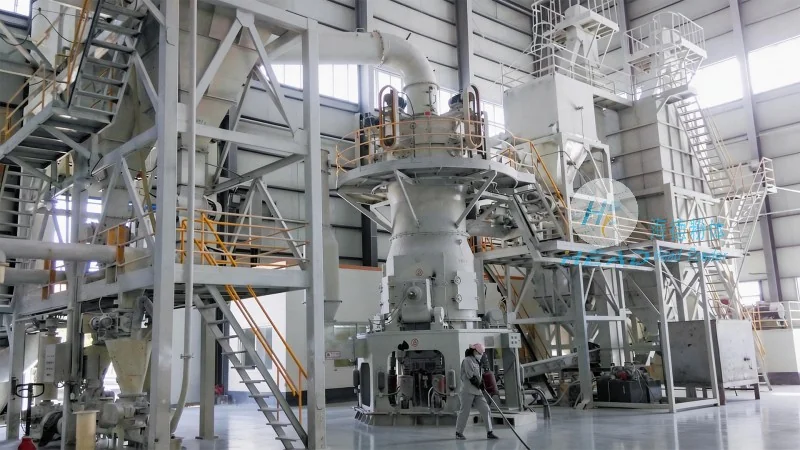
Working Scene Characteristics of Aluminum Foil Pneumatic Conveying Equipment
The working scene characteristics of this equipment are tailored to the specific requirements of aluminum foil processing environments, emphasizing precision, cleanliness, and efficiency. These characteristics include the ability to handle thin-gauge aluminum foil with high accuracy, as the material is often used in applications where even minor defects can impact product quality. The equipment is designed with components that minimize friction and material contact, reducing the risk of deformation or scratches. Additionally, the system incorporates advanced features to manage static electricity, such as grounding electrodes and ionizing bars, to prevent static buildup that could attract dust or cause electrical hazards. The working environment is typically controlled, with the equipment integrated into a dust-free or cleanroom system to protect the aluminum foil from contamination. The modular design of the equipment allows for easy integration into existing production lines, providing flexibility in layout and operation. In terms of operational performance, the system is engineered for continuous, high-volume operation with minimal downtime, ensuring consistent output in industrial settings. The equipment also prioritizes energy efficiency, using optimized air flow and high-efficiency blowers to reduce energy consumption compared to traditional mechanical conveying methods.
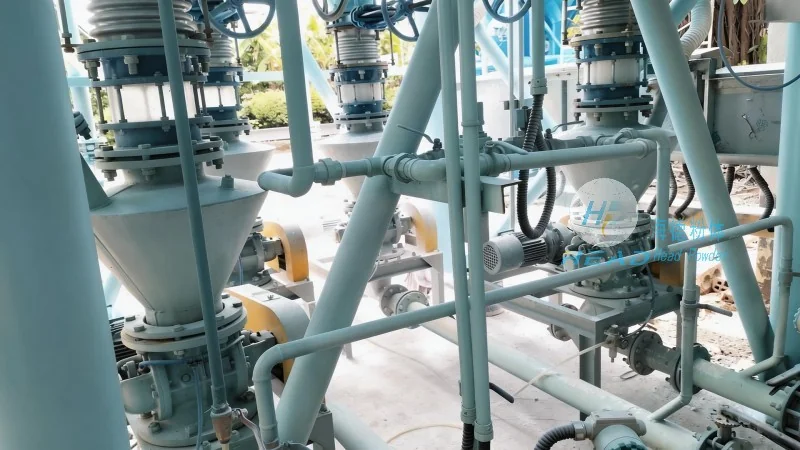
Application and Performance in Industrial Production
HeadPowder's pneumatic conveying equipment for aluminum foil is widely utilized in various industrial sectors, including packaging, electronics, and automotive manufacturing. In the packaging industry, it is used to transport aluminum foil for food and beverage containers, where maintaining material integrity is crucial for product safety and quality. In electronics manufacturing, the equipment handles aluminum foil used in circuit boards and components, where precision and cleanliness are paramount. The equipment's performance in these applications is marked by high reliability and durability, with components constructed from corrosion-resistant materials to withstand the demands of continuous operation. The system's ability to handle thin-gauge aluminum foil without damage makes it a preferred choice over mechanical conveyors, which may cause tearing or deformation. Furthermore, the advanced control systems in the equipment allow for real-time monitoring and adjustment of conveying parameters, ensuring optimal performance under varying production conditions. Overall, the equipment provides a cost-effective and reliable solution for aluminum foil transportation, supporting the smooth and efficient operation of industrial production lines. Its design and functionality align with the stringent requirements of modern manufacturing, making it an essential component in aluminum foil processing facilities.