

Principle and Working Scene Characteristics of PVB Material Pneumatic Conveying Systems
HeadPowder, a leading engineering firm based in Shandong, China, specializes in the design and implementation of advanced pneumatic conveying systems for various industrial applications. This article explores the fundamental principles behind PVB (polyvinyl butyral) material pneumatic conveying systems and highlights the key working scene characteristics that make them suitable for diverse industrial environments.
Understanding PVB Material and Its Handling Requirements
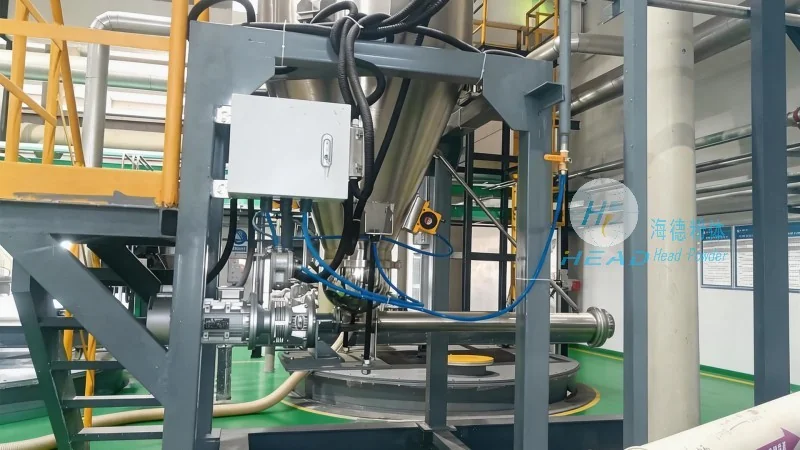
Polyvinyl butyral (PVB) is a synthetic polymer widely used in applications such as safety glass, optical coatings, and adhesives due to its excellent optical clarity and adhesive properties. Handling PVB material requires specialized equipment to maintain its integrity and prevent degradation during transport. PVB is typically in the form of pellets, powders, or granules, which can be abrasive and sensitive to moisture. Traditional bulk material handling methods may not be suitable due to the material's hygroscopic nature and potential for caking or agglomeration. Pneumatic conveying systems offer a solution by providing a closed-loop, dust-free environment that minimizes exposure to external contaminants and maintains product quality.
The Core Principle of Pneumatic Conveying Systems
Pneumatic conveying systems operate on the principle of transporting bulk materials through a pipeline using a pressurized or vacuum air stream. In the case of PVB material, the system typically employs positive pressure conveying, where air is blown into the pipeline to move the material. The system consists of several key components, including a hopper for material storage, a feeder to control the flow rate, a conveying line, and a receiver for material discharge. The air flow is regulated to ensure consistent material transport without causing excessive pressure drops or material degradation. The design of the system must account for the specific properties of PVB, such as its density, particle size distribution, and flow characteristics, to optimize performance and efficiency.
Key Working Scene Characteristics of PVB Pneumatic Conveying Systems
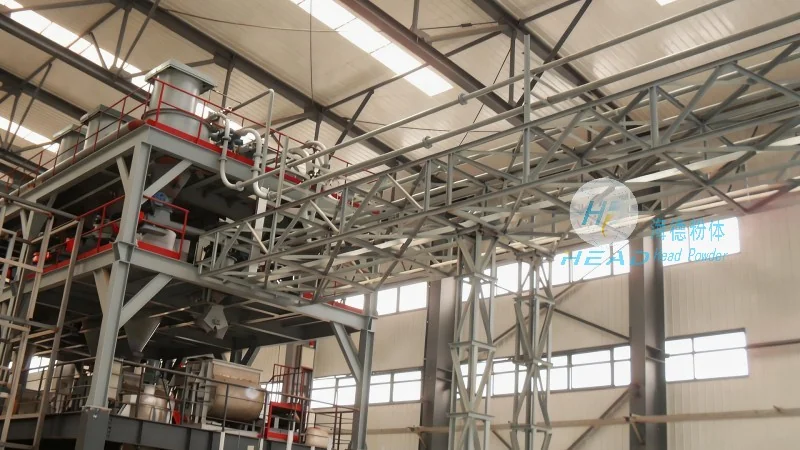
The working scene characteristics of PVB pneumatic conveying systems are tailored to meet the demands of industrial processes, ensuring reliability and efficiency in material handling. These characteristics include:
- High Efficiency and Low Maintenance: Modern PVB pneumatic conveying systems are engineered for minimal downtime and easy maintenance. The use of durable materials and advanced control systems reduces the risk of system failures and extends the lifespan of components.
- Closed-Loop and Dust-Free Operation: PVB is sensitive to moisture and contaminants, making a closed-loop system essential. This design prevents material exposure to the environment, reducing the risk of caking and maintaining product purity.
- Adaptability to Diverse Material Forms: The system can handle PVB in various forms, including pellets, powders, and granules, without requiring significant modifications. This flexibility allows for integration into existing production lines.
- Energy Efficiency: Advanced systems incorporate energy-saving features, such as variable frequency drives (VFDs) and optimized air flow control, to reduce operational costs while maintaining performance.
- Safety and Compliance: PVB handling systems must adhere to industrial safety standards and environmental regulations. The enclosed design minimizes dust emissions and ensures safe operation in industrial settings.
Application Scenarios in Industrial Settings
PVB material pneumatic conveying systems are widely used in various industrial sectors, including the automotive, construction, and optical industries. In the automotive industry, PVB is used for laminated safety glass, and the conveying system ensures efficient transport from storage to manufacturing lines. In the construction sector, PVB adhesives are used in glazing applications, where the system provides a reliable method for delivering the material to work sites. The optical industry relies on PVB for optical coatings, and the closed-loop system maintains the material's optical clarity and prevents contamination during transport.
HeadPowder's Expertise in PVB Pneumatic Conveying Solutions
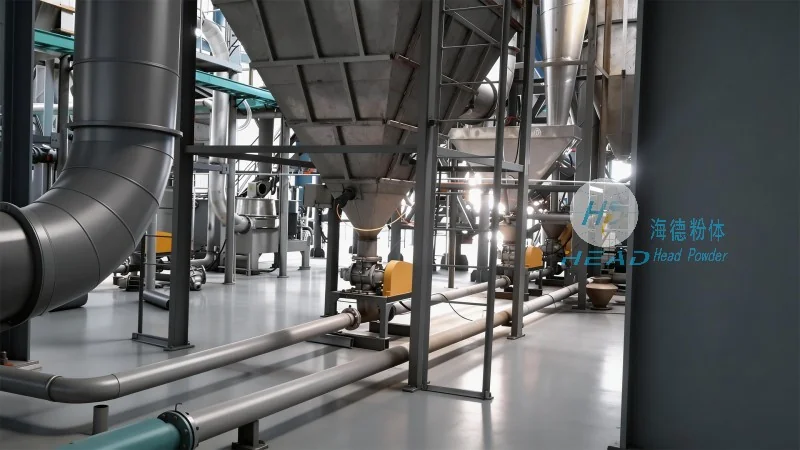
Shandong HeadPowder Engineering Co., Ltd. leverages its expertise in material handling and engineering to design customized PVB pneumatic conveying systems that meet the specific needs of clients. With a focus on innovation and quality, HeadPowder provides comprehensive solutions that include system design, installation, and maintenance services. The company's team of engineers works closely with clients to understand their operational requirements and develop systems that enhance productivity and product quality. HeadPowder's commitment to customer satisfaction and technical excellence has made it a trusted partner in the industrial material handling sector.
Conclusion
PVB material pneumatic conveying systems represent a sophisticated solution for handling sensitive industrial materials. By understanding the principles of pneumatic transport and the specific characteristics of PVB, industries can achieve efficient, reliable, and safe material handling. HeadPowder's expertise in this field ensures that clients receive tailored systems that meet their operational demands and contribute to overall process efficiency.