

Principle and Working Scene Characteristics of Phosphate Iron Powder Pneumatic Conveying Line
Phosphate iron powder is a critical raw material in modern industrial applications, particularly in the production of lithium-ion batteries and other advanced materials. The efficient and reliable transportation of this fine powder is essential for maintaining production efficiency and product quality. This article explores the principle of a phosphate iron powder pneumatic conveying line and highlights its working scene characteristics, providing insights into how such systems enhance operational performance in industrial settings.
Understanding the Pneumatic Conveying Principle
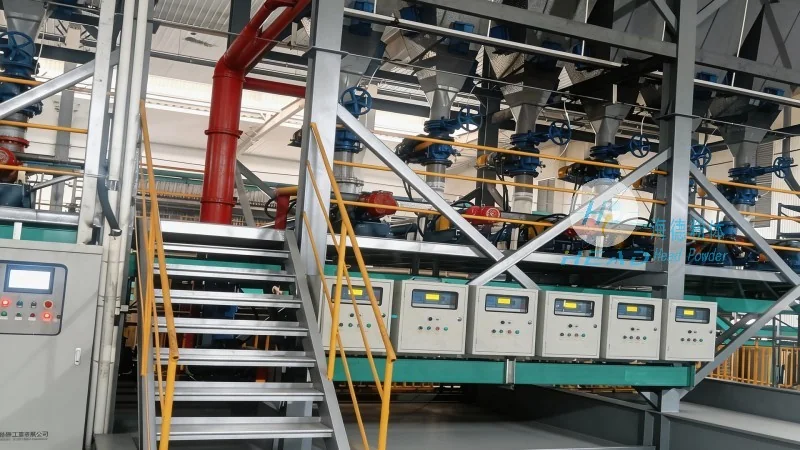
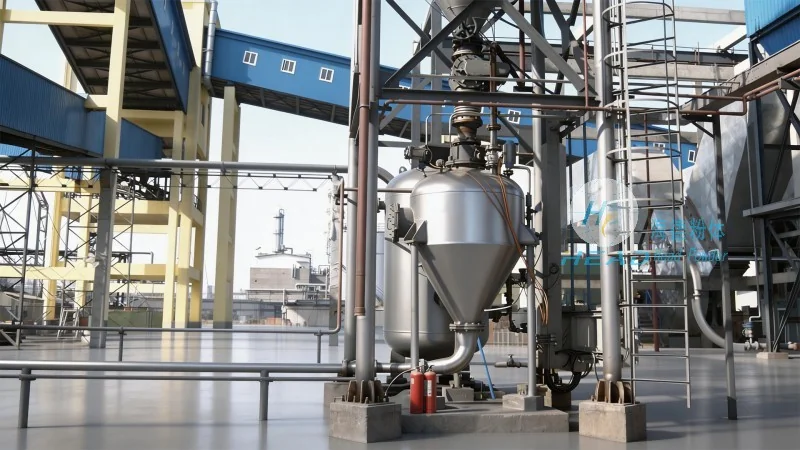
The core principle of a phosphate iron powder pneumatic conveying line is the use of air as a medium to transport particulate materials. Unlike traditional mechanical conveyors, which rely on mechanical components like belts or screws, pneumatic systems utilize compressed air to move powders through a pipeline. This method is particularly suitable for handling fine, dusty, or abrasive powders like phosphate iron, as it minimizes material degradation and contamination. The system typically consists of a blower or compressor, a hopper for material storage, a conveying pipeline, and a receiver for the material at the destination. The process involves feeding the phosphate iron powder into the hopper, where it is then drawn into the pipeline by the air flow generated by the blower. The air-powder mixture travels through the pipeline to the receiving hopper, where the air is separated from the powder, often using a cyclone or filter system. This separation allows the phosphate iron powder to be collected in a clean and controlled manner, ready for the next stage of processing.
Key Components and Their Functions
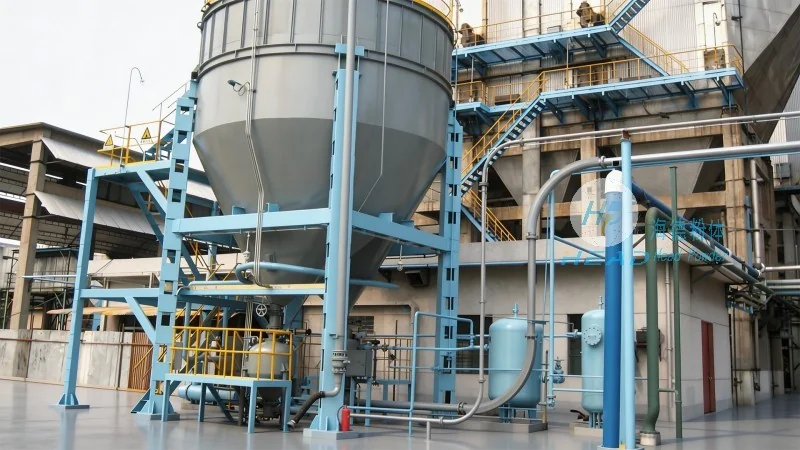
Several key components work in tandem to ensure the smooth operation of a phosphate iron powder pneumatic conveying line. The blower or compressor is the primary source of air pressure, providing the necessary force to move the powder through the system. The hopper serves as the storage and feeding unit, ensuring a consistent supply of phosphate iron powder to the conveying line. The conveying pipeline, usually made of stainless steel or other corrosion-resistant materials, is designed to withstand the abrasive nature of the powder and maintain airtight integrity. The receiver, often equipped with a dust collection system, collects the conveyed powder and separates it from the air, preventing dust emissions and maintaining environmental compliance. Additionally, control valves and sensors are integrated to monitor and regulate the flow rate, pressure, and other parameters, ensuring optimal performance and preventing system failures.
Working Scene Characteristics of Phosphate Iron Powder Pneumatic Conveying Lines
The working scene characteristics of phosphate iron powder pneumatic conveying lines are tailored to meet the specific demands of industrial applications. These systems are commonly used in battery manufacturing facilities, where the precise handling of phosphate iron powder is crucial for battery cell production. The compact design of the conveying line allows for integration into existing production lines, minimizing space requirements and facilitating seamless material transfer. The system's ability to handle fine powders without clogging or degradation makes it ideal for applications where material purity is paramount. Furthermore, the pneumatic conveying process is energy-efficient compared to traditional mechanical methods, reducing operational costs and environmental impact. The working environment is typically clean and controlled, with dust suppression measures in place to comply with occupational health and safety regulations. The reliability of the system is enhanced by its automated control features, which allow for continuous operation with minimal downtime. In industrial settings, the phosphate iron powder pneumatic conveying line operates under strict quality control measures, ensuring that the powder is delivered to the processing stage in a consistent and uniform manner. This consistency is vital for maintaining the quality of the final product, such as lithium-ion batteries, which rely on the precise composition of phosphate iron powder.
Application in Industrial Production
Phosphate iron powder pneumatic conveying lines are widely employed in various industrial sectors, with a particular focus on the battery and advanced materials industries. In battery manufacturing, the system efficiently transports phosphate iron powder from raw material storage to the mixing and cell formation stages. The smooth and controlled flow of the powder ensures that the battery cells are manufactured with consistent quality, reducing defects and improving overall production yield. The system's ability to handle large volumes of powder at a time enhances production throughput, making it suitable for high-volume manufacturing operations. Additionally, the system's adaptability allows for integration with other processing equipment, such as mixers and extruders, creating a streamlined production line. The working scene characteristics, including the system's compactness and energy efficiency, make it a preferred choice for modern industrial facilities seeking to optimize their material handling processes. The reliability and performance of the phosphate iron powder pneumatic conveying line contribute to the overall efficiency and competitiveness of the manufacturing operation.
Advantages and Considerations
Implementing a phosphate iron powder pneumatic conveying line offers several advantages over traditional material handling methods. The primary benefit is the reduction in material degradation and contamination, which is critical for maintaining the quality of phosphate iron powder. The system's ability to handle fine powders without clogging or blockages ensures continuous operation, minimizing downtime and production losses. Additionally, the energy efficiency of pneumatic conveying reduces operational costs compared to mechanical conveyors, which often require more maintenance and higher energy consumption. The compact design of the system allows for space-saving installations, making it suitable for facilities with limited floor space. However, there are considerations to keep in mind when using pneumatic conveying systems. The initial investment cost is typically higher than that of mechanical conveyors, and the system requires regular maintenance to ensure optimal performance. The air pressure and flow rate must be carefully controlled to prevent system failures or material damage. Furthermore, the system's operation may generate noise and dust, which need to be managed through appropriate engineering controls. Despite these considerations, the benefits of a phosphate iron powder pneumatic conveying line often outweigh the drawbacks, making it a valuable investment for industrial facilities.
Conclusion
In conclusion, the phosphate iron powder pneumatic conveying line is a sophisticated and efficient system designed to handle the transportation of fine phosphate iron powder in industrial applications. By leveraging the principle of pneumatic conveying, this system ensures the reliable and clean transfer of material, which is essential for maintaining product quality and operational efficiency. The working scene characteristics, including its compact design, energy efficiency, and adaptability, make it a preferred choice for modern industrial facilities. As the demand for phosphate iron powder in industries such as battery manufacturing continues to grow, the importance of efficient material handling systems like this pneumatic conveying line will only increase. The system's ability to meet the stringent requirements of industrial production, combined with its reliability and performance, positions it as a key component in the supply chain of phosphate iron powder. For companies like Shandong HeadPowder Engineering Co., Ltd., based in China, the development and implementation of such systems play a crucial role in supporting the growing industrial needs of the region and beyond.