

Principle and Working Scene Characteristics of Automatic Weighing and Powder Pneumatic Conveying Lin
HeadPowder, a leading manufacturer in the field of powder handling technology, specializes in providing advanced solutions for the automatic weighing and pneumatic conveying of bulk materials. This article delves into the fundamental principles and key working scene characteristics of their automatic weighing and powder pneumatic conveying lines, offering insights into how these systems enhance efficiency and precision in industrial applications.
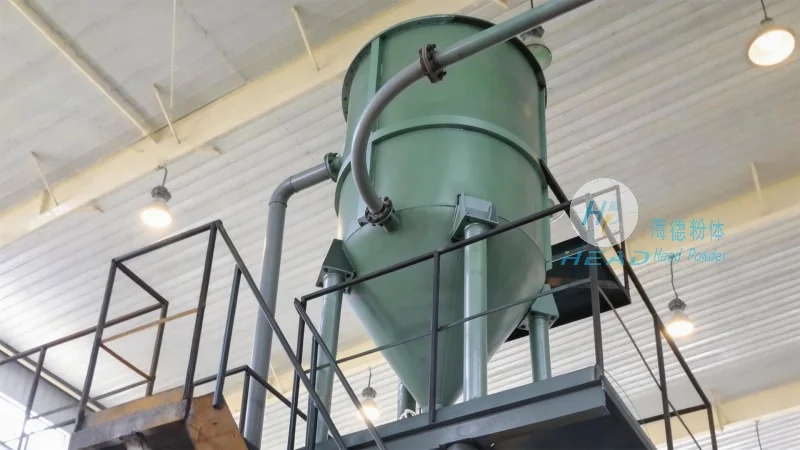
Company Overview
HeadPowder, or Shandong HeadPowder Engineering Co., Ltd., is headquartered in Shandong, China. As a reputable company in the engineering sector, HeadPowder focuses on the design, development, and manufacturing of high-quality powder handling equipment. Their expertise lies in creating customized solutions that meet the specific needs of various industries, ensuring reliable and efficient material processing.
Understanding the Core Principle of Pneumatic Conveying
The automatic weighing and powder pneumatic conveying line operates on the principle of using air as a medium to transport bulk materials from one location to another. This system typically consists of several key components, including a feeder, a weighing hopper, a pneumatic conveyor, and a discharge unit. The process begins with the material being fed into the weighing hopper, where an integrated scale measures the exact quantity. Once the desired weight is achieved, the material is transferred to the pneumatic conveyor, which uses compressed air to move the powder through a pipeline to the target destination. This method eliminates the need for mechanical conveyors, reducing maintenance costs and minimizing material contamination.
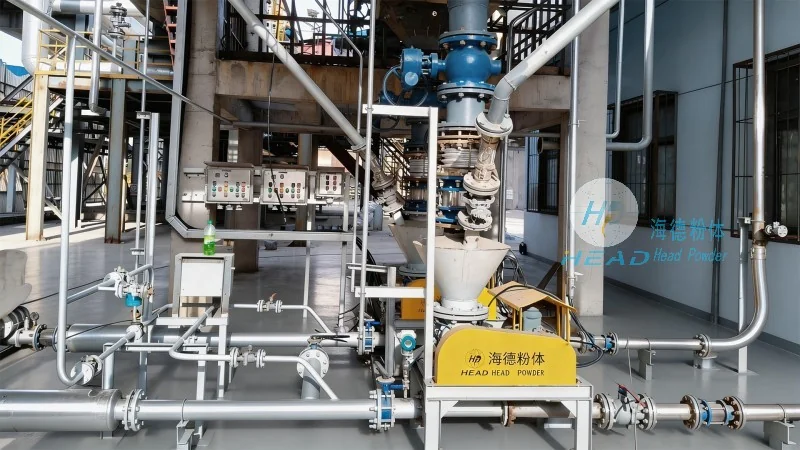
Key Working Scene Characteristics
The working scene characteristics of these systems are tailored to optimize performance in diverse industrial environments. One notable feature is the integration of automated weighing and control systems, which ensures precise dosing and reduces human error. This is particularly beneficial in applications where consistent material quality is critical, such as in pharmaceutical manufacturing, food processing, and chemical production. Additionally, the pneumatic conveying lines are designed to handle a wide range of powder types, from fine powders to bulk materials, with adjustable air pressure and flow rates to accommodate different material properties.
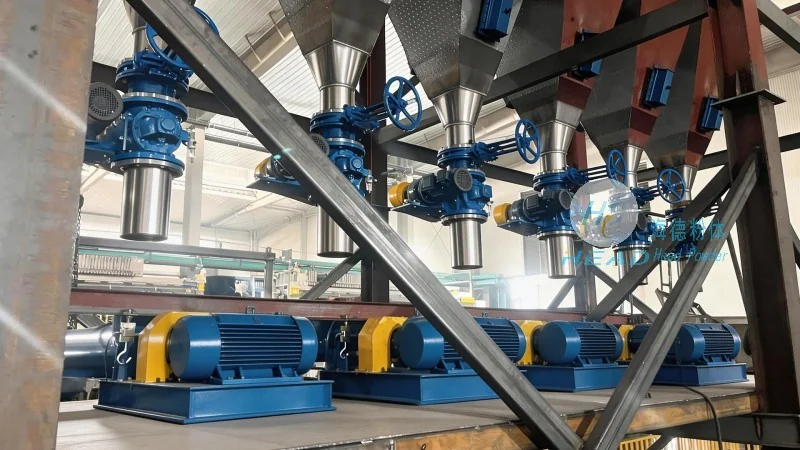
Enhancing Operational Efficiency
By combining automatic weighing with pneumatic conveying, these systems significantly improve operational efficiency. The automated control mechanisms allow for real-time monitoring and adjustment of the conveying process, ensuring that material is delivered to the processing line in a timely and consistent manner. This reduces downtime and increases overall productivity. Furthermore, the compact design of the equipment makes it suitable for installation in limited spaces, making it ideal for retrofitting existing facilities or integrating into new production lines.
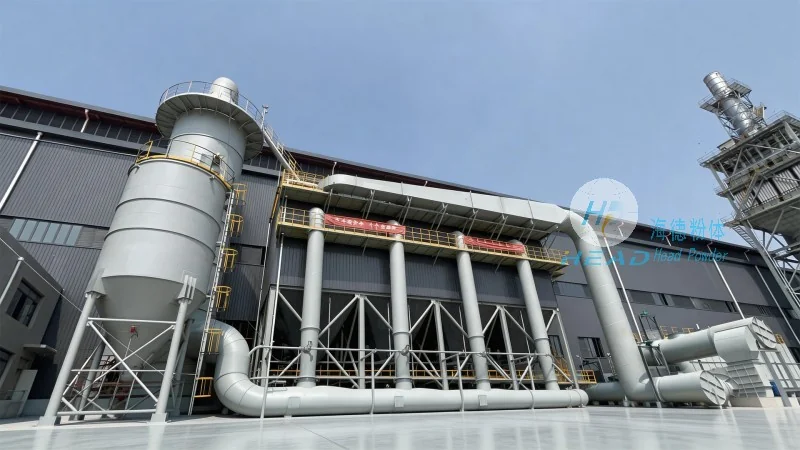
Application in Diverse Industries
The versatility of automatic weighing and powder pneumatic conveying lines makes them applicable across multiple industries. In the pharmaceutical industry, these systems are used to handle active pharmaceutical ingredients (APIs) and excipients with high precision, ensuring compliance with regulatory standards. In the food industry, they are employed to transport ingredients like flour, sugar, and spices, maintaining hygiene and preventing cross-contamination. Similarly, in the chemical industry, they facilitate the handling of reactive powders and hazardous materials, providing a safe and controlled environment for material transfer.
Conclusion
Automatic weighing and powder pneumatic conveying lines represent a sophisticated solution for modern industrial material handling. Through the integration of advanced weighing technology and pneumatic conveying principles, these systems offer enhanced precision, efficiency, and safety. HeadPowder's commitment to quality and innovation ensures that their products meet the demanding requirements of various industries, providing reliable and effective solutions for bulk material processing. As industries continue to seek more efficient and automated processes, such systems remain a vital component in optimizing production workflows.