

Principle and Working Scene Characteristics of Light Calcium Carbonate Powder Pneumatic Conveying Eq
Light calcium carbonate (LCC) is a widely used industrial filler and pigment, often processed into fine powders for various applications. The efficient and reliable transportation of LCC powder from production to processing lines is crucial for maintaining production efficiency and product quality. Pneumatic conveying systems have emerged as a preferred solution for handling such powders due to their ability to transport materials in a closed system, minimizing dust exposure and ensuring consistent flow. This article explores the principle of light calcium carbonate powder pneumatic conveying equipment and highlights its working scene characteristics, with a focus on the expertise of Shandong HeadPowder Engineering Co., Ltd.
Introduction to Light Calcium Carbonate Powder Pneumatic Conveying
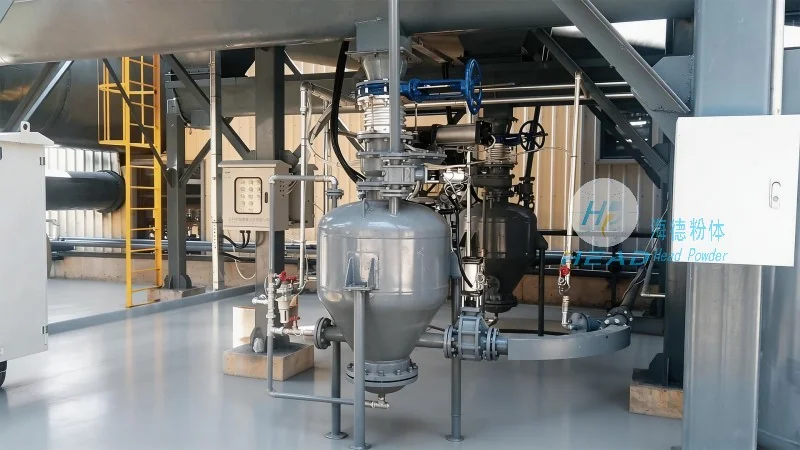
Light calcium carbonate powder, with its fine particle size and low bulk density, presents unique challenges in material handling. Traditional methods like bucket elevators or belt conveyors may lead to material degradation, dust generation, and operational inefficiencies. Pneumatic conveying systems address these issues by utilizing air as the conveying medium, creating a pressure differential that moves the powder through pipelines. This technology is particularly suitable for LCC powder due to its sensitivity to moisture and contamination, as the closed system prevents environmental exposure.
The Core Principle of Pneumatic Conveying
The fundamental principle of pneumatic conveying involves the use of a compressor or blower to generate airflow that transports the powder particles. There are two main types of pneumatic conveying systems: pressure and vacuum. Pressure systems operate by blowing air into a sealed pipeline, pushing the powder forward, while vacuum systems create a negative pressure at the receiving end, drawing the powder through the line. For light calcium carbonate powder, pressure systems are often preferred as they offer higher conveying capacities and better control over the material flow.
Key Components of the Pneumatic Conveying System
A typical light calcium carbonate powder pneumatic conveying system consists of several critical components. The primary components include a material feeder, a compressor or blower, conveying pipelines, a separation and filtration system, and a receiver or discharge unit. The material feeder ensures a consistent and controlled feed of the LCC powder into the system, preventing blockages and maintaining flow stability. The compressor or blower provides the necessary air pressure to move the powder through the pipelines. The conveying pipelines are designed with appropriate diameters and slopes to minimize pressure drop and ensure smooth material transport. The separation and filtration system is crucial for removing any entrained air or fine particles from the conveyed powder, ensuring the final product remains clean and free from contaminants. The receiver or discharge unit collects the LCC powder at the end of the conveying line, ready for further processing or packaging.
Working Scene Characteristics of Pneumatic Conveying Equipment
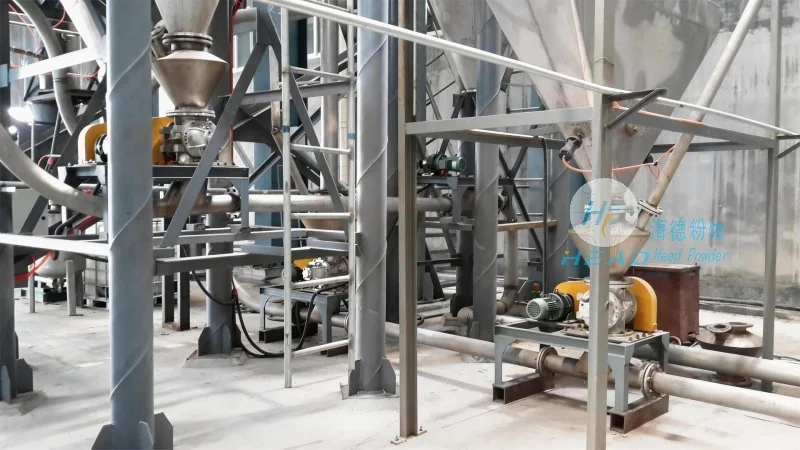
The working scene characteristics of light calcium carbonate powder pneumatic conveying equipment are tailored to the specific requirements of industrial applications. These systems are designed to operate in environments where dust control and material purity are paramount. The closed-loop design of the system minimizes dust emissions, making it suitable for indoor processing facilities and reducing the risk of environmental contamination. Additionally, the system's ability to handle fine powders without degradation makes it ideal for applications where the powder's physical properties, such as particle size distribution and whiteness, must be preserved. The working scene typically involves integration with existing production lines, ensuring seamless material transfer from storage silos to processing equipment like mixers, extruders, or coating machines.
Advantages of Using Pneumatic Conveying for Light Calcium Carbonate Powder
Implementing pneumatic conveying systems for light calcium carbonate powder offers several advantages over traditional material handling methods. Firstly, the closed system significantly reduces dust exposure, enhancing workplace safety and compliance with environmental regulations. Secondly, the system minimizes material degradation, as the powder is transported without direct contact with external elements, preserving its quality for downstream applications. Thirdly, pneumatic conveying systems provide higher conveying capacities and flexibility in terms of pipeline layout, allowing for complex material flow paths. This flexibility is particularly beneficial in industrial settings where space constraints or multiple processing lines are present. Finally, the automation capabilities of modern pneumatic conveying systems improve operational efficiency, reducing labor costs and increasing production throughput.
Application Scenarios in Industrial Settings
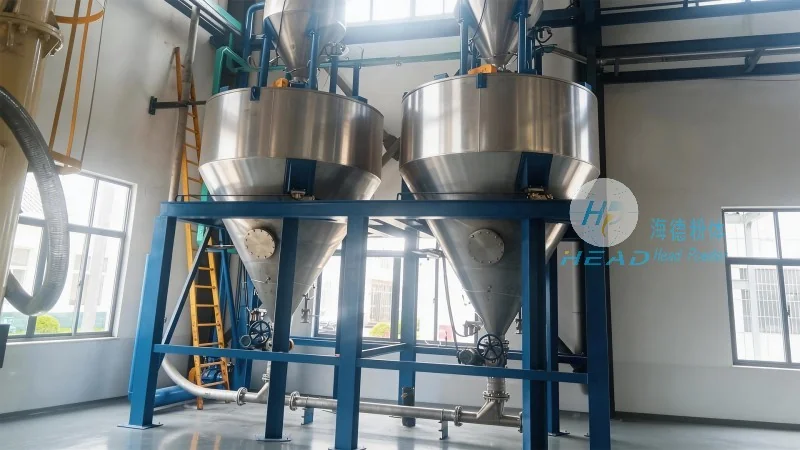
Light calcium carbonate powder pneumatic conveying equipment is widely used in various industrial sectors, including plastics, paper, coatings, and rubber. In the plastics industry, LCC powder is often used as a filler to improve the mechanical properties and reduce the cost of plastic products. The pneumatic conveying system ensures that the powder is delivered to the extrusion or compounding lines in a consistent and controlled manner, maintaining the quality of the final plastic products. In the paper industry, LCC is used as a filler to enhance the whiteness and opacity of paper. The system efficiently transports the powder from storage to the papermaking process, ensuring uniform distribution and consistent product quality. Similarly, in the coatings and rubber industries, the system provides reliable material transfer, supporting the production of high-quality coatings and rubber products.
Customization and Integration with Shandong HeadPowder Engineering Co., Ltd.
Shandong HeadPowder Engineering Co., Ltd., a leading provider of material handling solutions, specializes in designing and manufacturing customized pneumatic conveying systems for light calcium carbonate powder. The company's expertise lies in understanding the unique challenges of handling fine powders and tailoring systems to meet specific customer requirements. With facilities located in Shandong, China, HeadPowder offers comprehensive services, including system design, installation, and maintenance. The company's team of engineers works closely with clients to assess their production needs, material characteristics, and operational constraints, ensuring the final system is optimized for efficiency and reliability. Customization options include adjustable conveying capacities, different pipeline configurations, and integration with existing production equipment, providing a tailored solution for each application.
Conclusion
Light calcium carbonate powder pneumatic conveying equipment is a critical component in modern industrial processes, offering efficient, safe, and reliable material handling solutions. The principle of pneumatic conveying, combined with advanced system design, ensures that light calcium carbonate powder is transported with minimal degradation and maximum purity. The working scene characteristics of these systems, including dust control and material preservation, make them ideal for various industrial applications. With the expertise of companies like Shandong HeadPowder Engineering Co., Ltd., businesses can implement customized pneumatic conveying systems that enhance their production efficiency and product quality. As the demand for high-quality light calcium carbonate products continues to grow, the role of efficient material handling systems becomes increasingly important in meeting industry standards and customer expectations.