

Principle and Working Scene Characteristics of Gravity Dust Removal Material Conveying
Understanding the fundamental principles and operational characteristics of gravity dust removal material conveying systems is crucial for industries dealing with bulk material handling, especially in environments where dust control and efficient material transport are paramount. This article delves into the mechanics, advantages, and typical applications of such systems, providing insights into how they enhance operational efficiency and safety in industrial settings.
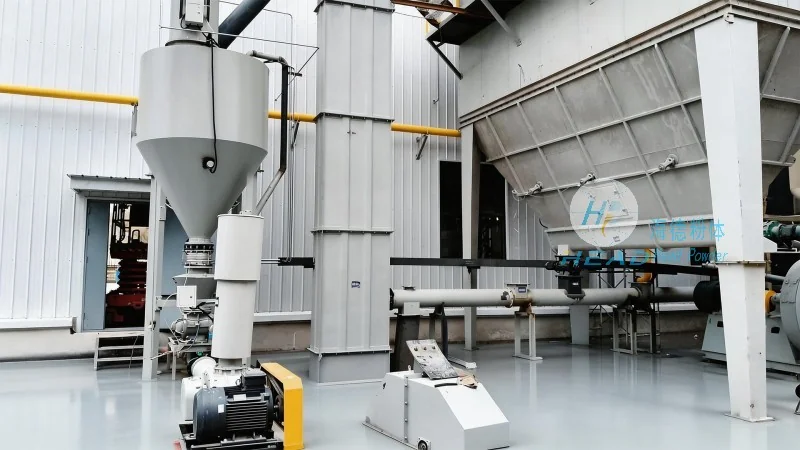
Core Principle of Gravity Dust Removal Material Conveying
At the heart of gravity dust removal material conveying is the utilization of gravitational force to move bulk materials, often in the form of fine powders or granules, from one location to another. Unlike mechanical conveying systems that rely on motors or other power sources, gravity conveyors operate passively, leveraging the natural downward movement of materials under the influence of gravity. This principle is particularly effective for materials that are free-flowing and have a moderate to high density, as the gravitational pull helps maintain a consistent flow rate without the need for additional energy input.
The system typically consists of a series of inclined or horizontal chutes, hoppers, and transition sections designed to guide the material along a predetermined path. The key components include feed hoppers that introduce the material into the system, transition chutes that change the direction of flow, and discharge points where the material is collected. The design of these components is critical to ensure smooth material movement and to minimize the generation of dust during transport. For instance, the use of smooth, non-porous surfaces in the chutes reduces friction and prevents material buildup, which can otherwise lead to blockages and increased dust emissions.
Working Scene Characteristics and Applications
Gravity dust removal material conveying systems are widely employed in various industrial sectors, including power generation, cement production, mining, and chemical processing. Their suitability is often determined by the specific characteristics of the material being handled, such as particle size, moisture content, and flowability. In power plants, for example, these systems are commonly used to transport fly ash from electrostatic precipitators to storage silos, where the need for dust control is critical due to the fine nature of the ash and its potential environmental impact.
In cement factories, gravity conveyors play a vital role in transporting raw materials like limestone and clinker, as well as finished cement products. The ability to handle large volumes of material at a consistent rate without generating excessive dust makes these systems ideal for applications where material purity and environmental compliance are essential. Similarly, in mining operations, gravity dust removal systems are used to transport ore and tailings, where the prevention of dust exposure for workers is a key safety consideration.
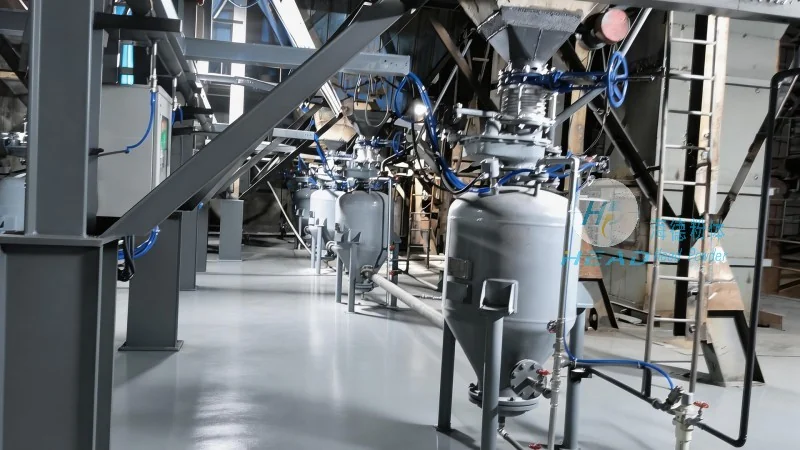
Advantages and Operational Considerations
One of the primary advantages of gravity dust removal material conveying is its energy efficiency. By relying on gravity rather than mechanical power, these systems significantly reduce operational costs and energy consumption compared to traditional conveying methods. This makes them particularly attractive for industries operating under strict budget constraints or with a focus on sustainability.
Another key benefit is the reduced risk of dust generation and associated health hazards. The smooth, enclosed design of gravity conveyors minimizes the exposure of material to air, thereby limiting the release of fine particles that can cause respiratory issues or environmental contamination. This is especially important in industries where occupational health and safety regulations are stringent.
However, the effectiveness of gravity dust removal material conveying also depends on several operational factors. The angle of inclination of the chutes must be carefully selected to ensure that the material flows at an appropriate rate without causing excessive wear on the system components. For materials with high moisture content or sticky properties, additional measures such as anti-stick coatings or vibration systems may be required to prevent blockages and maintain consistent flow.
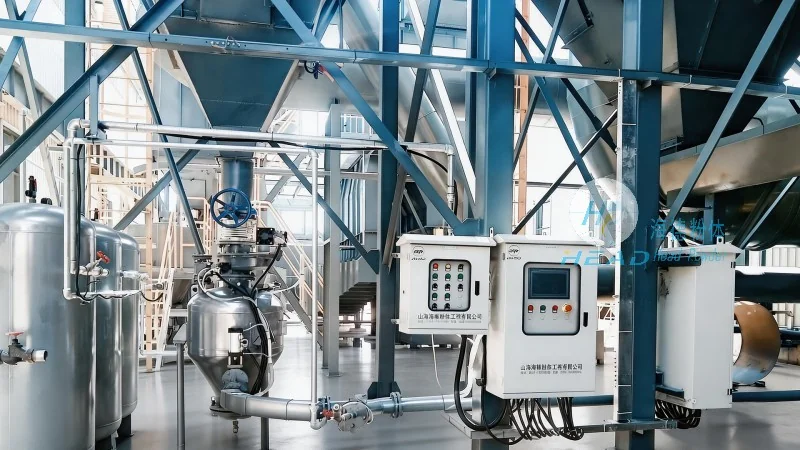
Integration with Dust Control Systems
While gravity conveyors inherently reduce dust generation, they are often integrated with additional dust control measures to achieve optimal performance. These may include dust collection hoods, filtration systems, or even wet scrubbing units, depending on the specific requirements of the application. The combination of gravity conveying with these supplementary systems ensures that the overall dust emission levels are minimized, meeting both regulatory standards and environmental objectives.
For instance, in power plants, the fly ash is often collected in a hopper and then transported via gravity to a silo, with dust collection systems installed at the discharge points to capture any residual particles. This integrated approach not only enhances the efficiency of material handling but also ensures compliance with air quality regulations.
Case Study: Application in Cement Production
Shandong HeadPowder Engineering Co., Ltd., a leading provider of material handling solutions, has successfully implemented gravity dust removal material conveying systems in several cement production facilities. In one project, the company designed and installed a gravity conveyor system to transport raw limestone from a quarry to the raw mill, reducing the material handling time by 30% and minimizing dust emissions by 50% compared to traditional belt conveyors.
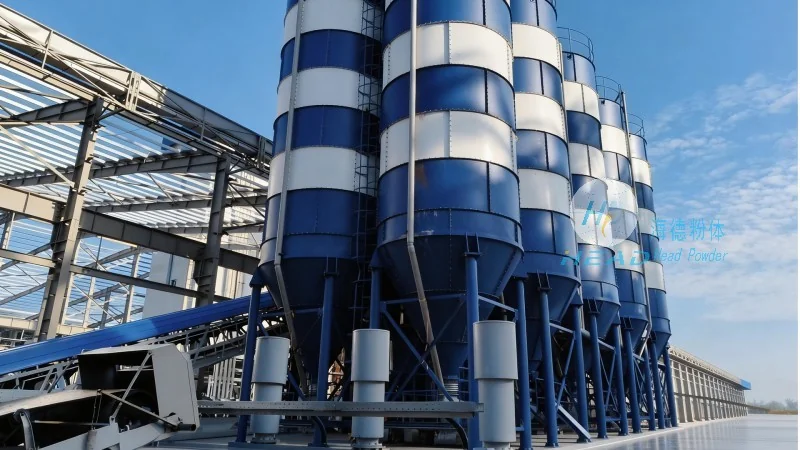
The system, which includes inclined chutes, transition hoppers, and a discharge bin, was engineered to handle the high volume of limestone while maintaining a consistent flow rate. The smooth, non-porous surfaces of the chutes were coated with a special anti-corrosion material to withstand the abrasive nature of the limestone, ensuring long-term durability and minimal maintenance.
The success of this project highlights the effectiveness of gravity dust removal material conveying in industrial applications. By leveraging the principles of gravity and careful system design, such systems can significantly improve operational efficiency, reduce costs, and enhance safety in material handling operations.
Conclusion
Gravity dust removal material conveying systems represent a sophisticated and efficient solution for bulk material handling in industries where dust control and energy efficiency are critical. By understanding the core principles of these systems and their operational characteristics, businesses can make informed decisions about their material handling strategies, leading to improved productivity, reduced operational costs, and enhanced environmental performance.
As industries continue to prioritize sustainability and safety, the adoption of gravity dust removal material conveying is likely to increase. With companies like Shandong HeadPowder Engineering Co., Ltd. providing specialized engineering and installation services, businesses can leverage these advanced systems to meet their operational and regulatory requirements effectively.