

Principle and Working Scene Characteristics of Polypropylene Pellet Pneumatic Conveying Machines
HeadPowder, a leading provider in the field, specializes in advanced pneumatic conveying solutions tailored for polypropylene pellet handling. Based in Shandong, China, the company offers comprehensive engineering services and equipment designed to optimize material transport efficiency. This article explores the fundamental principles behind polypropylene pellet pneumatic conveying machines and highlights key characteristics of their operational environments.
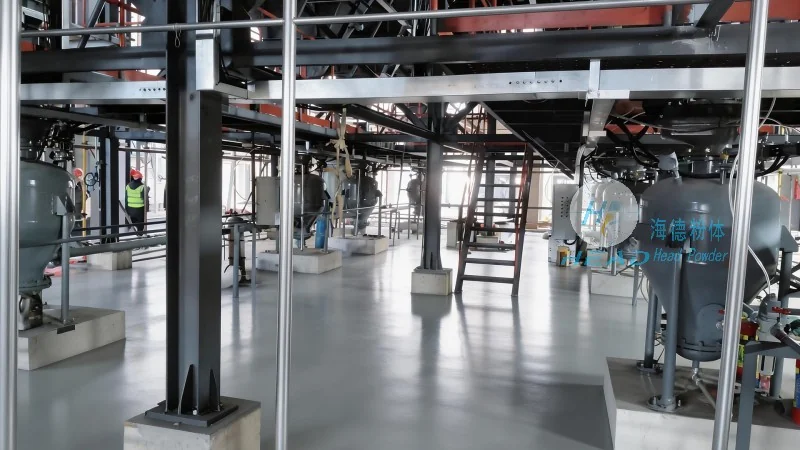
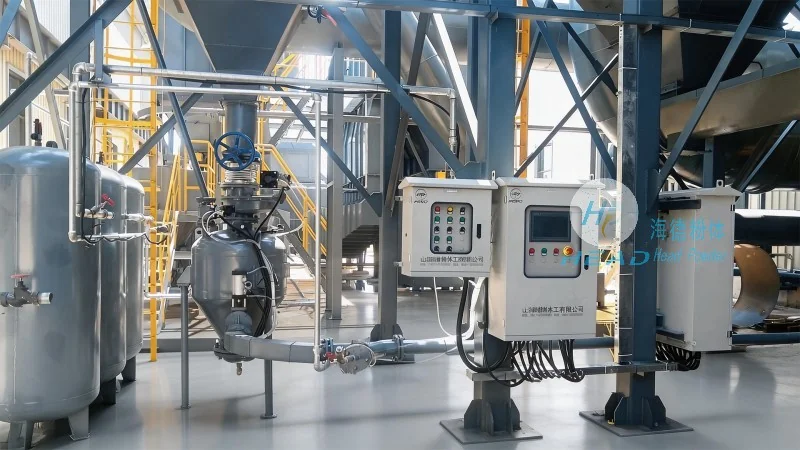
Company Background and Location
HeadPowder Engineering Co., Ltd. is a reputable enterprise dedicated to delivering high-quality industrial equipment and technical expertise. The company is headquartered in Shandong, China, where it leverages local manufacturing capabilities and industry knowledge to develop cutting-edge pneumatic conveying systems. With a focus on precision and reliability, HeadPowder serves a diverse range of industries requiring efficient material handling solutions.
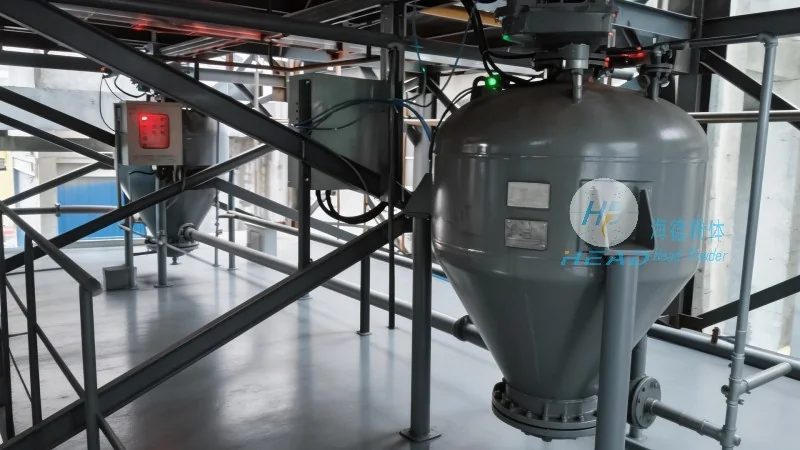
The Principle of Pneumatic Conveying for Polypropylene Pellets
Polypropylene pellet pneumatic conveying machines operate on the principle of using compressed air to transport solid materials through a pipeline system. The process involves several key components, including a hopper for material storage, a feeder to control the flow rate, a compressor to generate the necessary air pressure, and a pipeline network that guides the material from the source to the destination. As polypropylene pellets are lightweight and can be easily suspended in air, this method offers a non-contact, low-maintenance approach to material transport. The system typically works by introducing air into the hopper, creating a negative pressure that draws the pellets into the pipeline. The air flow then carries the pellets through the system, ensuring smooth and continuous movement. This pneumatic transport method is particularly effective for polypropylene pellets due to their low density and the ability to achieve stable suspension in air, minimizing material degradation and ensuring consistent flow rates.
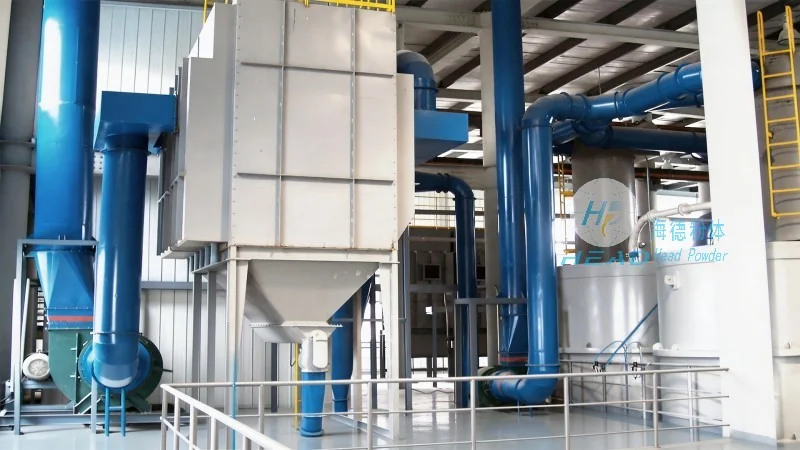
Key Characteristics of Working Environments for Polypropylene Pellet Pneumatic Conveying
The operational environments for polypropylene pellet pneumatic conveying machines are designed to accommodate the specific requirements of polypropylene handling. These systems are often used in industrial settings such as plastic manufacturing plants, where large volumes of polypropylene pellets need to be transported between processing units, storage areas, or packaging lines. The working environment typically involves controlled air pressure and temperature conditions to prevent material degradation and ensure optimal performance. Additionally, the design of the conveying system considers factors like dust control and material containment, as polypropylene pellets can generate fine particles during transport. The equipment is engineered to minimize air leakage and maintain a clean operational space, which is crucial for maintaining product quality and adhering to safety standards. Furthermore, the working environment may include integration with other industrial processes, such as mixing or extrusion, where the polypropylene pellets are transferred seamlessly to the next stage of production. The characteristics of these working environments emphasize efficiency, reliability, and adherence to industry standards, ensuring that the polypropylene pellets are handled with precision and care throughout the conveying process.