

Principle and Application Scenarios of Foam Pneumatic Conveying Systems
HeadPowder, a leading engineering company based in Shandong, China, specializes in the design, manufacturing, and implementation of advanced material handling solutions. Among their portfolio is the foam pneumatic conveying system, a technology that has revolutionized the efficient and safe transport of bulk materials in various industrial settings. This article delves into the fundamental principles behind foam pneumatic conveying and explores the key characteristics of its operational environments.
Understanding the Core Principle of Foam Pneumatic Conveying
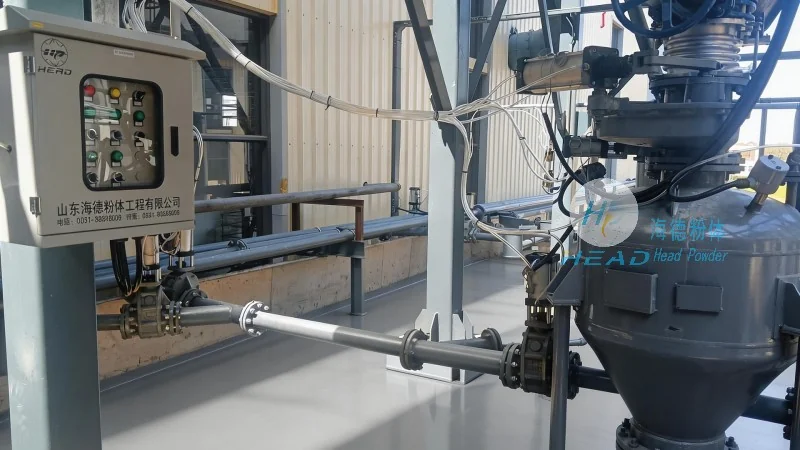
The foam pneumatic conveying system operates on the principle of using a mixture of air and foam to transport dry bulk materials. Unlike traditional pneumatic conveying systems that rely solely on air pressure, this method introduces a foam medium, which significantly enhances the conveying capacity and reduces the risk of material degradation. The process begins with the generation of foam, typically achieved by mixing air with a liquid foam stabilizer. This foam is then introduced into the conveying line, where it mixes with the bulk material being transported. The foam acts as a carrier, lifting and transporting the material through the pipeline with minimal friction and pressure loss. The system is designed to maintain a stable foam-air ratio, ensuring consistent material flow and preventing clogging or blockages in the pipeline. By leveraging the buoyancy and lubricating properties of the foam, the system can handle a wide range of materials, from fine powders to granules, with high efficiency and low energy consumption.
Key Operational Characteristics and Application Scenarios
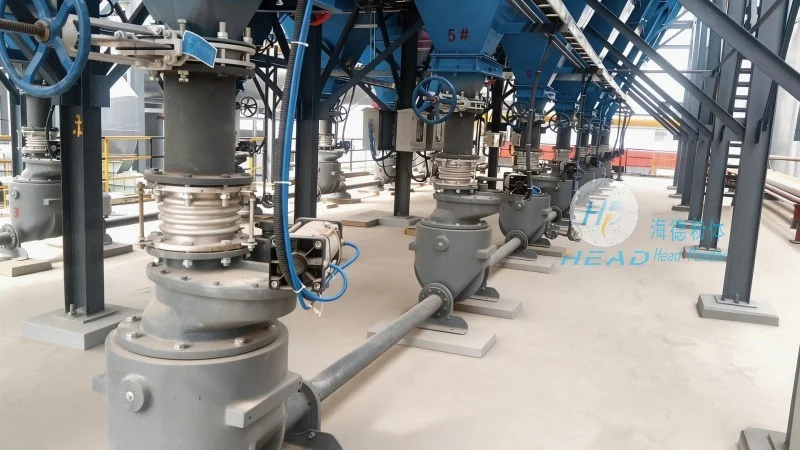
The foam pneumatic conveying system is particularly suited for industries that require the safe and efficient transport of sensitive or hazardous materials. Its ability to minimize material degradation makes it ideal for applications involving pharmaceuticals, food products, and chemicals. In these sectors, maintaining product integrity is paramount, and the foam medium provides a gentle transport environment that preserves the quality of the material. Another significant advantage is its suitability for long-distance and high-rise material transport. The system can effectively convey materials over considerable distances without the need for multiple transfer points or intermediate storage, reducing operational complexity and costs. The low pressure requirements of the foam pneumatic conveying system also make it suitable for applications where traditional high-pressure pneumatic systems may be impractical or too costly. This characteristic is especially beneficial in industries such as mining and construction, where materials need to be transported over long distances or through complex layouts.
Advantages in Industrial Material Handling
Compared to other material handling methods, such as belt conveyors or bucket elevators, the foam pneumatic conveying system offers several distinct advantages. One of the most notable benefits is its ability to handle materials that are difficult to transport using conventional methods. For example, fine powders and dusts that tend to clog or degrade in other systems can be efficiently conveyed using foam. The system also provides a dust-free and enclosed transport environment, which is crucial for maintaining hygiene and safety standards in industries like food processing and pharmaceutical manufacturing. Additionally, the foam pneumatic conveying system is highly flexible and can be easily integrated into existing production lines. Its modular design allows for customization to fit specific operational requirements, making it a versatile solution for a wide range of industrial applications. The system's low maintenance requirements and long service life further enhance its cost-effectiveness, making it an attractive option for businesses looking to optimize their material handling processes.
Conclusion: The Role of Foam Pneumatic Conveying in Modern Industry
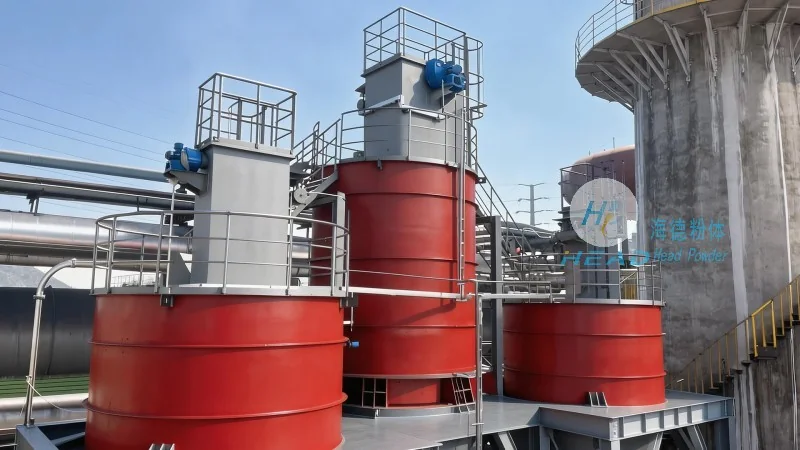
As industries continue to evolve and demand more efficient and sustainable material handling solutions, the foam pneumatic conveying system stands out as a reliable and innovative technology. With its ability to transport bulk materials safely, efficiently, and with minimal environmental impact, it plays a crucial role in modern industrial operations. HeadPowder, with its expertise in engineering and manufacturing, continues to lead the way in developing and implementing these advanced systems, helping businesses across various sectors improve their operational performance and product quality. The principles and characteristics of foam pneumatic conveying not only address current material handling challenges but also pave the way for future advancements in industrial automation and material transport technology.