

Principles and Application Characteristics of Centralized Material Feeding Systems
Centralized material feeding systems represent a sophisticated approach to material handling and supply management in industrial settings. These systems are designed to streamline the process of delivering raw materials or components to various workstations or processing points from a single, centralized source. The fundamental principle behind such systems is to enhance efficiency, reduce waste, and improve overall operational consistency by minimizing the need for manual material transport and ensuring a consistent supply of materials throughout the production cycle.
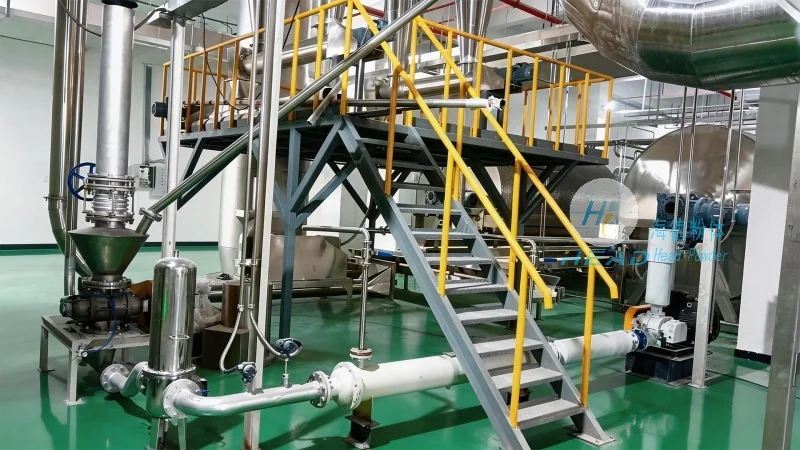
The Core Principles of Centralized Material Feeding
The operation of centralized material feeding systems is grounded in several key principles that define their functionality and effectiveness. First, the system relies on a centralized storage or feeding unit that can hold a large volume of materials, allowing for continuous or intermittent supply to downstream processes. This storage unit is typically equipped with mechanisms such as hoppers, conveyors, or automated dispensing devices that control the flow of materials to individual workstations. The second principle involves the integration of automation and control systems, which enable precise regulation of material flow rates, timing, and distribution. This automation ensures that materials are delivered exactly when and where they are needed, reducing downtime and improving production throughput. A third critical principle is the emphasis on flexibility and adaptability. Modern centralized feeding systems are often designed to accommodate a wide range of material types, sizes, and shapes, making them suitable for diverse manufacturing applications. This flexibility allows companies to adjust their material feeding strategies as production requirements change, whether due to product variations or changes in production volume.
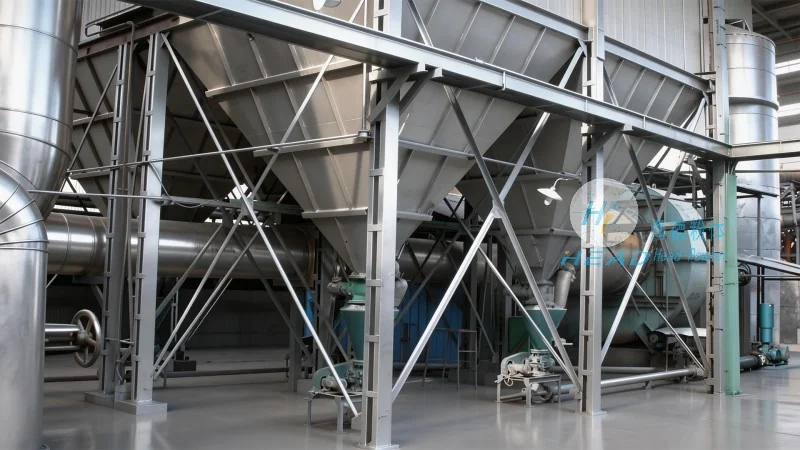
Key Working Scenarios and Application Characteristics
Centralized material feeding systems are particularly effective in several working scenarios that demand high efficiency and consistent material supply. One common application is in high-volume manufacturing environments, such as automotive assembly lines or electronics production facilities, where thousands of parts need to be delivered to multiple workstations simultaneously. In these settings, the centralized system reduces the need for multiple material handlers and minimizes the risk of material shortages or delays. Another scenario involves complex assembly processes that require precise coordination between different components. For example, in the assembly of large machinery or appliances, a centralized feeding system can ensure that each component is delivered to the correct workstation at the right time, facilitating seamless assembly operations. Additionally, these systems are beneficial in environments where material handling safety is a priority. By reducing the need for manual lifting and transporting of heavy or bulky materials, centralized feeding systems can lower the risk of workplace injuries and improve overall workplace safety. The application characteristics of these systems also include the ability to handle a wide range of material properties, from powders and granules to small parts and components, making them versatile across different industries.
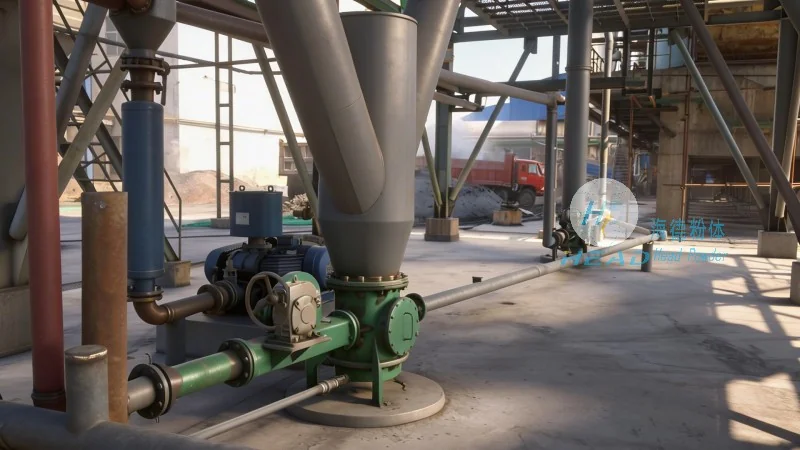
Technical Advantages and Practical Implications
The adoption of centralized material feeding systems brings several technical advantages that translate into tangible benefits for industrial operations. One of the most significant advantages is the improvement in production efficiency. By eliminating the need for manual material transport and reducing the time spent on material replenishment, these systems can increase the overall throughput of the production line. This efficiency gain is particularly valuable in industries where production speed directly impacts competitiveness. Another advantage is the reduction in material waste and inventory costs. Centralized feeding systems can be programmed to deliver materials only as needed, preventing overstocking and minimizing the risk of material spoilage or obsolescence. This leads to cost savings and better inventory management. Furthermore, the automation aspect of these systems enhances operational consistency and reduces human error. Automated feeding mechanisms can deliver materials with high precision and reliability, ensuring that each workstation receives the exact quantity and type of material required. This consistency is crucial for maintaining product quality and reducing defects in the final output. From a practical standpoint, centralized material feeding systems also contribute to a more organized and streamlined factory floor. By consolidating material storage and feeding functions into a single unit, these systems can free up floor space and simplify the layout of the production area. This can lead to easier maintenance and better overall facility management.
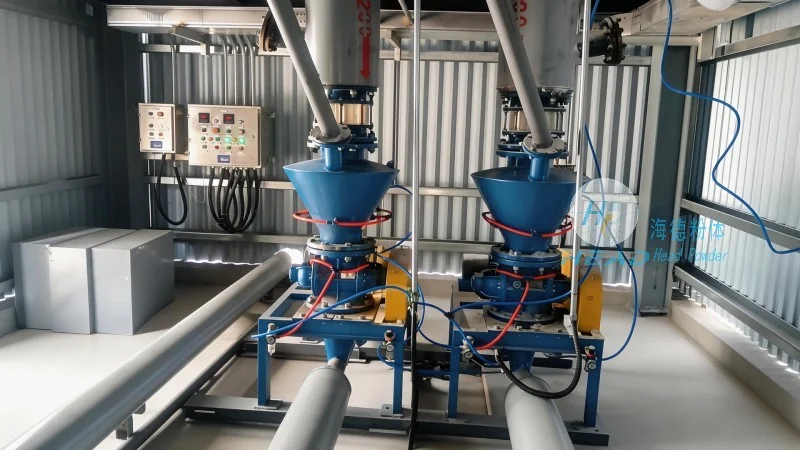
Conclusion and Company Overview
In conclusion, centralized material feeding systems represent a highly effective solution for optimizing material handling and supply management in modern industrial operations. By adhering to core principles of centralized storage, automated control, and flexible distribution, these systems enhance efficiency, reduce costs, and improve workplace safety. The working scenarios and application characteristics of such systems make them particularly suitable for high-volume manufacturing and complex assembly processes. The technical advantages, including increased efficiency, reduced waste, and enhanced consistency, provide significant benefits for companies seeking to improve their operational performance. As a leading provider in this field, Shandong HeadPowder Engineering Co., Ltd. specializes in designing and implementing centralized material feeding solutions tailored to the specific needs of various industries. With a focus on innovation and customer satisfaction, the company ensures that its systems meet the highest standards of quality and reliability, helping businesses achieve their production goals while maintaining operational excellence. Based in Shandong, China, HeadPowder continues to advance the technology of material feeding systems, contributing to the efficiency and productivity of global manufacturing operations.