

Working Principle and Features of a Pneumatic Conveyor for Coke and Limestone Powder Materials
When it comes to efficient material handling in industrial settings, especially for bulk materials like coke and limestone powder, the pneumatic conveyor system emerges as a highly effective solution. This article delves into the working principle and key features of such a system, highlighting how it enhances operational efficiency and reliability in material transport processes.
Introduction to Pneumatic Conveying Systems
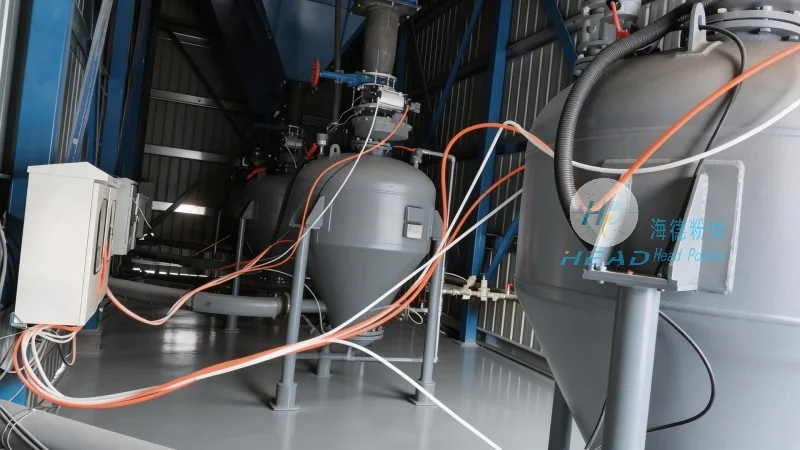
Pneumatic conveying, also known as air-powered conveying, is a method of transporting bulk materials through a pipeline using air or gas as the conveying medium. Unlike traditional mechanical conveyors, this system relies on the pressure or vacuum created by air movement to move materials from one location to another. For industries dealing with fine powders and granular materials, such as coke and limestone, this technology offers a flexible and low-maintenance alternative to traditional methods.
Company Overview: Shandong HeadPowder Engineering Co., Ltd.
At the forefront of providing advanced material handling solutions is Shandong HeadPowder Engineering Co., Ltd., a leading manufacturer specializing in pneumatic conveying equipment. With a strong commitment to innovation and quality, the company has established itself as a trusted partner for businesses seeking reliable and efficient material transport systems. HeadPowder, as the company is commonly known, leverages years of industry experience to design and produce high-performance pneumatic conveyors tailored to the specific needs of clients in various sectors.
Working Principle of the Pneumatic Conveyor
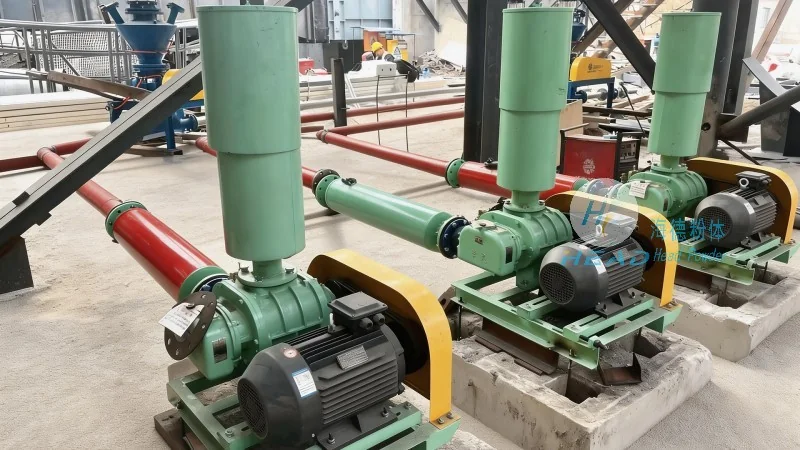
The operation of a pneumatic conveyor for coke and limestone powder materials involves several key steps. The process begins with the material being fed into the inlet hopper. From there, the material is introduced into the conveying line, where it is carried by a stream of air under pressure or suction. The air flow, typically generated by a blower or fan, creates a pressure differential that propels the material through the pipeline. The design of the system, including the use of appropriate air velocities and pipeline dimensions, ensures that the material is transported smoothly without clogging or degradation. The system may also incorporate features such as cyclone separators or filters to separate the material from the air at the discharge point, allowing for clean material recovery and air recycling.
Key Features of the Pneumatic Conveyor
Several distinctive features make the pneumatic conveyor an ideal choice for handling coke and limestone powder. Firstly, it offers a dust-free operation, which is crucial for maintaining a safe and healthy working environment in industrial facilities. The enclosed system prevents the release of fine particles into the air, reducing the risk of respiratory issues and contamination. Secondly, the system provides flexibility in terms of layout and installation. It can be easily integrated into existing production lines or reconfigured to accommodate changes in material flow requirements. Thirdly, the low maintenance requirements of the pneumatic conveyor contribute to cost savings over time. With fewer moving parts compared to mechanical conveyors, the system experiences less wear and tear, resulting in reduced downtime and maintenance costs. Additionally, the system is capable of handling a wide range of material properties, including varying particle sizes and moisture content, making it versatile for different applications.
Advantages in Material Handling
Implementing a pneumatic conveyor for coke and limestone powder offers numerous advantages in material handling. One of the primary benefits is the ability to transport materials over long distances with minimal energy consumption. The system’s efficiency in moving bulk materials reduces the need for multiple handling steps, streamlining the overall production process. Furthermore, the system’s ability to handle fine powders without segregation or agglomeration ensures consistent material quality. This is particularly important in industries where material uniformity is critical, such as in the production of cement or other construction materials. The system also contributes to improved safety in the workplace by eliminating the need for manual handling of heavy or dusty materials, reducing the risk of accidents and injuries.
Application in Industrial Settings
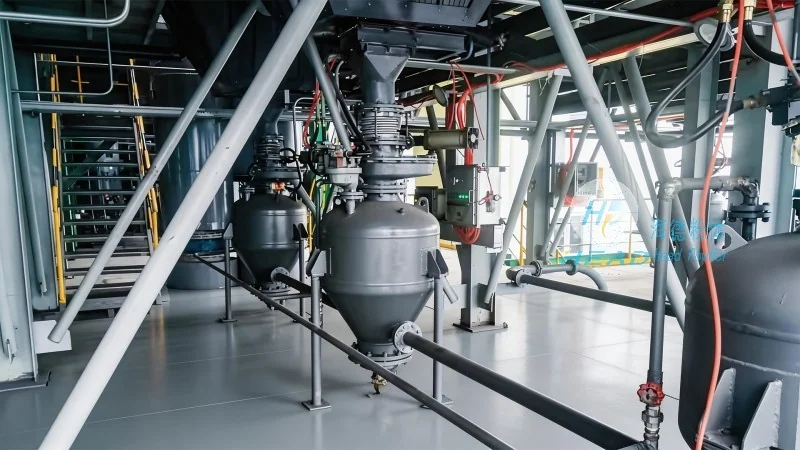
The pneumatic conveyor for coke and limestone powder is widely used in various industrial applications. In the cement industry, it is employed to transport raw materials like limestone and coke from storage silos to the production line. In power plants, it is used to convey coal or coke to boilers for combustion. Additionally, in chemical and pharmaceutical industries, the system is utilized for transporting fine powders, ensuring precise and controlled material delivery. The versatility of the system makes it suitable for a wide range of applications, from small-scale operations to large-scale industrial facilities.
Conclusion
In conclusion, the pneumatic conveyor for coke and limestone powder materials is a highly efficient and reliable solution for material handling in industrial settings. By understanding its working principle and leveraging its key features, businesses can enhance their operational efficiency, reduce costs, and improve workplace safety. With the expertise of companies like Shandong HeadPowder Engineering Co., Ltd., industries can access advanced pneumatic conveying systems that meet their specific requirements, ensuring optimal performance and longevity.