

Working Principle and Features of a Potassium Carbonate Material Pneumatic Conveying Line
For industries dealing with potassium carbonate, efficient material handling is crucial. A pneumatic conveying line, specifically designed for this application, offers a reliable solution. This article explores the working principle and key features of such a system, highlighting how it enhances operational efficiency and safety.
Introduction to Potassium Carbonate Pneumatic Conveying Systems
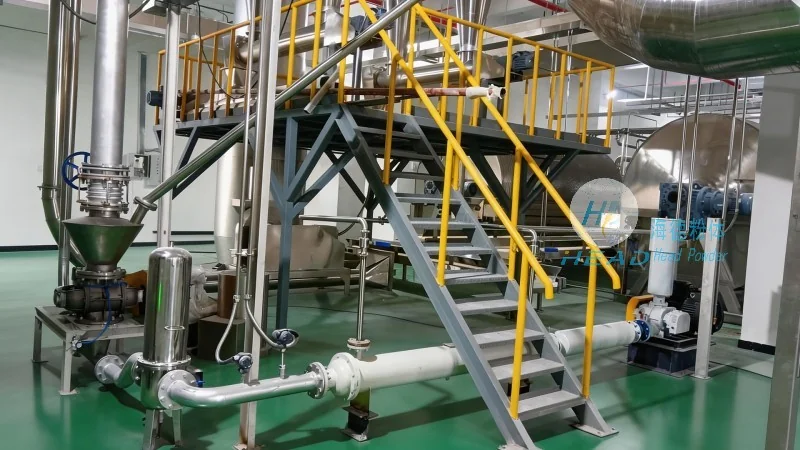
Potassium carbonate, a widely used chemical in various industries including food processing, pharmaceuticals, and chemical manufacturing, requires specialized handling due to its properties. Traditional methods like bucket elevators or belt conveyors may not be suitable for fine powders or bulk materials. Pneumatic conveying systems provide an alternative that minimizes dust, reduces material degradation, and ensures consistent flow. The system is engineered to handle the unique characteristics of potassium carbonate, ensuring optimal performance in production lines.
Working Principle of the Pneumatic Conveying Line
The core of a pneumatic conveying line is the use of air to transport material from one location to another. The system typically operates on one of two principles: suction (or vacuum) or pressure. In the case of potassium carbonate, a suction-based system is often preferred for its ability to draw material from a hopper or storage silo into the conveying line. The process begins with the material being fed into a hopper equipped with a rotary valve or feeder. As air is drawn through the system by a vacuum pump, it creates a negative pressure that pulls the potassium carbonate particles into the pipeline. The air and material mixture travels through the pipeline to the discharge point, where the material is separated from the air using a cyclone separator or filter. The separated material is then collected in a receiving bin, while the air is either vented to the atmosphere or recycled back into the system.
Key Features and Advantages of the System
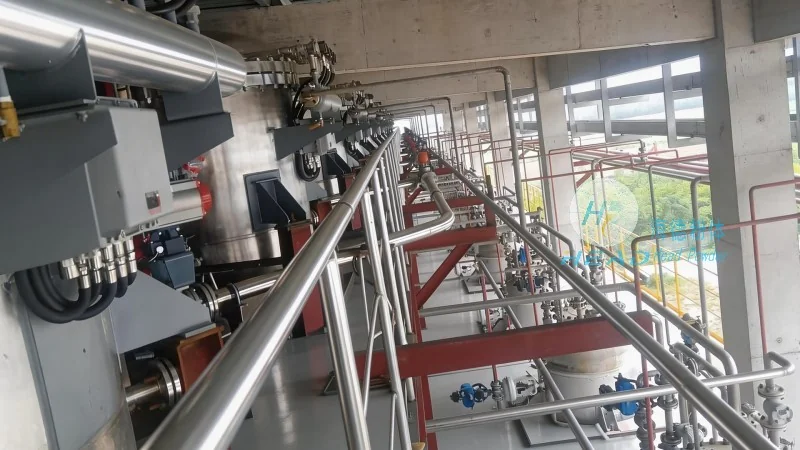
Several features make a pneumatic conveying line for potassium carbonate an attractive option for manufacturers. First, it offers high efficiency in material transport, with the ability to move large volumes of material over long distances with minimal downtime. The system is also highly flexible, allowing for changes in the layout or direction of material flow without major modifications. Another significant advantage is its dust control capabilities. Unlike traditional methods, pneumatic conveying keeps the material enclosed within the pipeline, reducing dust emissions and improving workplace safety. This is particularly important for potassium carbonate, which can be respiratory irritants if inhaled. Additionally, the system is designed to minimize material degradation, ensuring that the quality of the potassium carbonate remains consistent throughout the conveying process. This is achieved through low-velocity air flow and smooth pipeline surfaces that prevent abrasion or attrition.
Customization and Integration with Existing Facilities
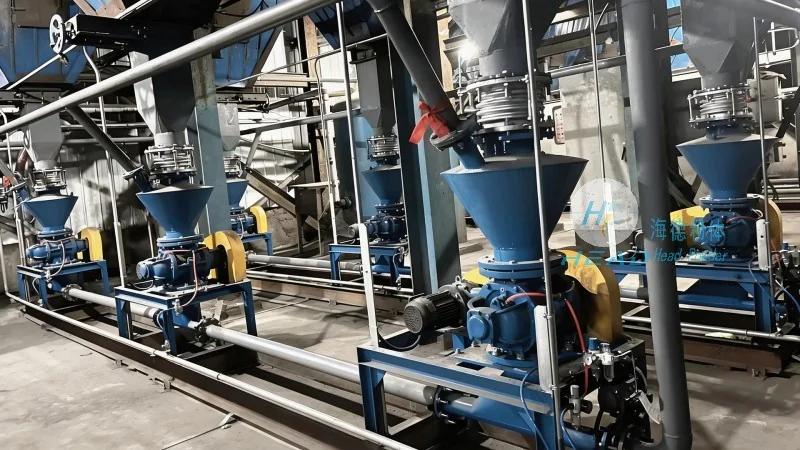
Shandong HeadPowder Engineering Co., Ltd., a leading manufacturer in the field, specializes in designing and installing customized pneumatic conveying systems tailored to the specific needs of clients. The company’s expertise lies in understanding the unique requirements of potassium carbonate and other similar materials, ensuring that the system is optimized for performance and reliability. The company’s facilities are located in Shandong, China, where they leverage advanced technology and skilled engineering teams to develop solutions that meet international standards. Clients can expect a comprehensive approach to system design, including material selection, pipeline layout, and control system integration. The company also provides after-sales support, including maintenance and troubleshooting services, to ensure the long-term operation of the conveying line.
Conclusion: Enhancing Productivity with Advanced Pneumatic Conveying
In conclusion, a pneumatic conveying line for potassium carbonate is a sophisticated system that combines efficiency, safety, and flexibility. By understanding the working principle and key features, manufacturers can make informed decisions about integrating such a system into their production processes. The benefits of reduced dust, minimized material degradation, and improved operational efficiency make it a valuable investment for any facility handling potassium carbonate. With the expertise of companies like Shandong HeadPowder Engineering Co., Ltd., businesses can achieve reliable and cost-effective material handling solutions that enhance their overall productivity and compliance with safety regulations.