

Working Principle and Features of Capsule Material Pneumatic Conveying Lines
For pharmaceutical and food industries, the efficient and hygienic transportation of capsule materials is crucial. Pneumatic conveying systems offer a reliable solution for handling these sensitive products, ensuring minimal contamination and maintaining product integrity throughout the process. This article explores the working principle and key features of capsule material pneumatic conveying lines, highlighting their benefits and operational advantages.
Working Principle of Pneumatic Conveying Systems
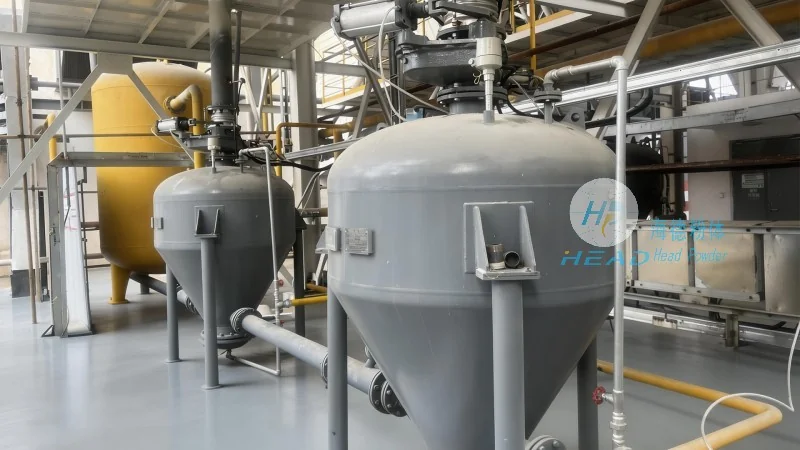
The core mechanism of a pneumatic conveying line involves the use of compressed air to transport bulk materials like capsules through a network of pipes. The system typically consists of a feeding hopper, a pressure vessel or vacuum pump, and a discharge unit. As capsules are introduced into the hopper, they are drawn into the conveying line by the air flow, which propels them to the destination. The process can operate under either positive pressure (air blowing the material forward) or negative pressure (air sucking the material in), depending on the system design and application requirements. This method eliminates the need for mechanical components such as belts or buckets, reducing maintenance and increasing operational efficiency.
Key Features and Advantages
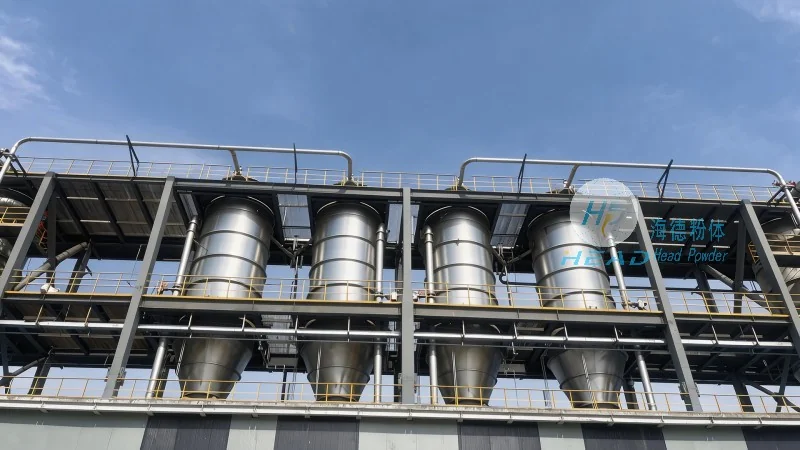
Several notable features distinguish pneumatic conveying lines for capsule materials, making them ideal for pharmaceutical and food processing environments. Firstly, the system is fully enclosed, preventing dust and contamination from entering the workspace, which is critical for maintaining product purity and compliance with regulatory standards. Secondly, the design allows for gentle handling of capsules, minimizing breakage and ensuring that the final product remains intact and free from damage. Additionally, the system can be integrated with other processing equipment, such as filling machines or packaging lines, enabling a seamless workflow and reducing manual handling steps. Another key advantage is the ability to handle materials over long distances without the need for intermediate storage, which streamlines production and improves overall throughput.
Operational Considerations and Maintenance
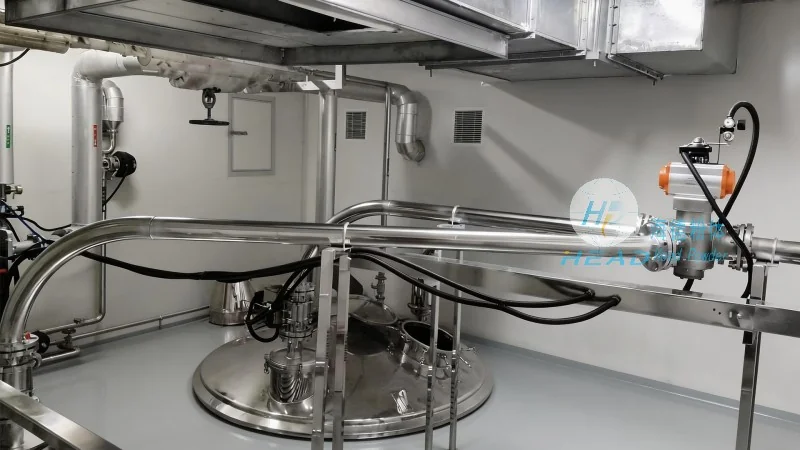
While pneumatic conveying lines offer numerous benefits, proper operation and maintenance are essential to ensure optimal performance. Regular cleaning of the system is crucial to prevent the buildup of dust or capsule residue, which can affect the system's efficiency and product quality. The use of high-quality materials, such as stainless steel, in the construction of the conveying lines also contributes to durability and hygiene. Additionally, monitoring air pressure and flow rates is important to maintain consistent material transport and avoid blockages or system failures. By adhering to these operational guidelines, manufacturers can maximize the lifespan of their pneumatic conveying systems and ensure reliable performance over time.
Conclusion
Capsule material pneumatic conveying lines represent a sophisticated and efficient solution for transporting sensitive products in the pharmaceutical and food industries. By leveraging the principles of pneumatic transport, these systems offer advantages such as hygienic operation, gentle handling, and seamless integration with production lines. As a leading provider in this field, Shandong HeadPowder Engineering Co., Ltd. specializes in designing and manufacturing customized pneumatic conveying solutions tailored to the specific needs of clients. With their expertise and commitment to quality, HeadPowder ensures that their systems meet the highest standards of performance and compliance, helping businesses enhance their production processes and maintain product integrity.