

Working Principle and Features of Hydrogen Chloride Powder Pneumatic Conveying Line
Hydrogen chloride (HCl) is a highly corrosive and hazardous gas commonly used in various industrial processes, such as chemical synthesis, metal processing, and water treatment. The safe and efficient handling of HCl powder is crucial for industrial operations, and pneumatic conveying systems offer a reliable solution for transporting this material. This article explores the working principle and key features of a hydrogen chloride powder pneumatic conveying line, highlighting the technical aspects and operational benefits.
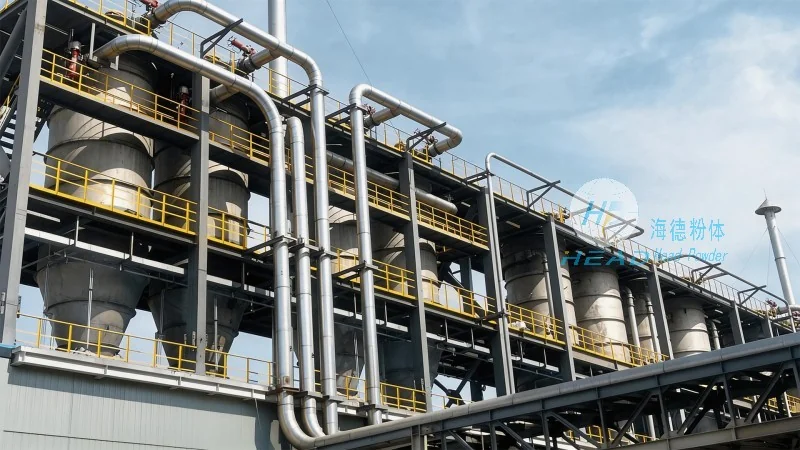
Overview of Hydrogen Chloride Powder Pneumatic Conveying
A hydrogen chloride powder pneumatic conveying line is a system designed to transport HCl powder from a source, such as a storage tank or a production unit, to a destination, like a reactor or a processing facility. The system typically consists of several components, including a material feeder, a conveying pipe, a compressor, and a control system. The primary goal is to ensure the safe and efficient transfer of HCl powder while minimizing exposure risks and maintaining product integrity.
Working Principle of the Pneumatic Conveying System
The working principle of a hydrogen chloride powder pneumatic conveying line relies on the use of compressed air or gas to create a flow that moves the powder through the conveying pipe. The process can be categorized into two main types: dilute-phase and dense-phase conveying. In dilute-phase conveying, the powder is suspended in a high-velocity air stream, allowing it to travel through the pipe with minimal pressure drop. This method is suitable for short to medium distances and low to medium powder loads. In contrast, dense-phase conveying uses lower air velocities and higher pressure to move the powder in a more compact form, reducing the risk of particle segregation and ensuring a more uniform flow.
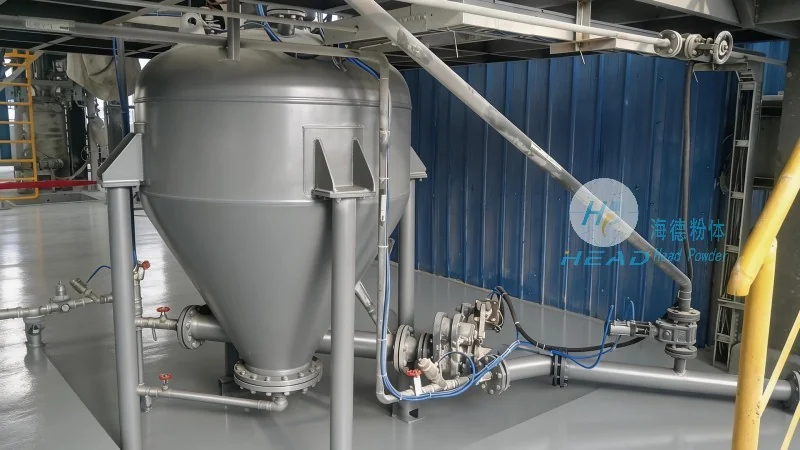
At the start of the conveying process, the HCl powder is fed into the system through a material feeder, which can be a rotary valve or a screw feeder. The feeder ensures a consistent flow rate, preventing blockages and maintaining system stability. The powder then enters the conveying pipe, where it is mixed with the compressed air or gas. The air velocity is carefully controlled to achieve the desired flow rate and to prevent particle deposition or clogging. The conveying pipe is usually made of corrosion-resistant materials, such as stainless steel or PTFE, to withstand the acidic nature of HCl and to prevent material degradation.
Key Features and Advantages of the System
The hydrogen chloride powder pneumatic conveying line offers several advantages over traditional methods, such as bucket elevators or belt conveyors. One of the primary benefits is the ability to handle hazardous materials safely, as the system is enclosed and sealed, minimizing the risk of exposure to HCl gas. Additionally, the system is highly efficient, with low energy consumption and minimal maintenance requirements. The compact design of the system allows for easy integration into existing industrial facilities, and the flexible configuration enables adaptation to various process requirements.
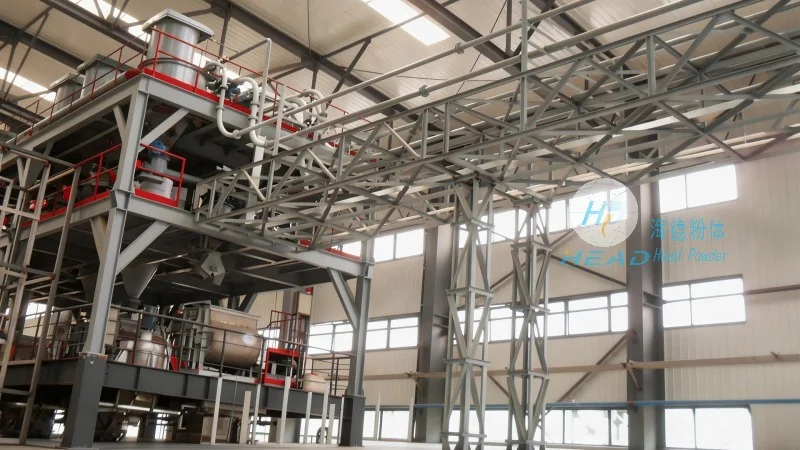
Another key feature is the system's ability to maintain product quality and integrity. The enclosed design prevents contamination from external sources, and the controlled flow rates ensure that the powder remains in a uniform state, avoiding segregation or agglomeration. This is particularly important for HCl powder, which can be sensitive to moisture and temperature changes. The system also provides precise control over the flow rate and pressure, allowing for accurate dosing and process control.
Operational Considerations and Safety Measures
When operating a hydrogen chloride powder pneumatic conveying line, several operational considerations and safety measures must be followed to ensure safe and efficient performance. First, the system must be designed and installed according to industry standards and regulations, such as those from the American Society of Mechanical Engineers (ASME) and the Occupational Safety and Health Administration (OSHA). The use of corrosion-resistant materials and proper sealing is essential to prevent leaks and minimize exposure risks.
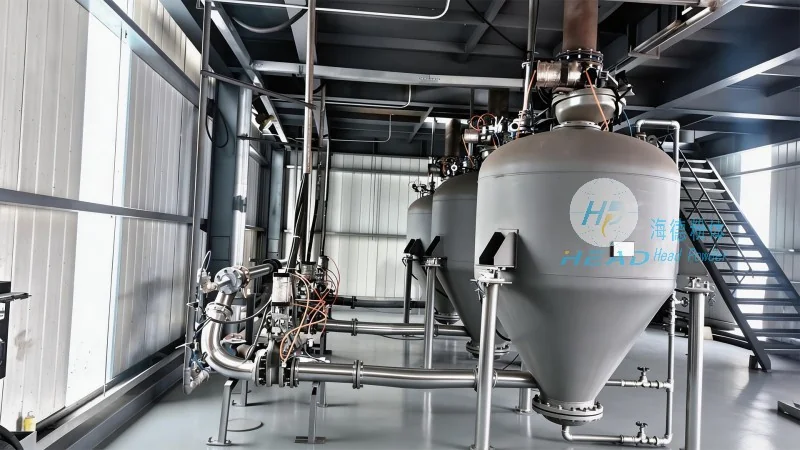
Regular maintenance and inspection are also critical to ensure the system's reliability and safety. This includes checking for wear and tear on components, such as the feeder and the conveying pipe, and replacing them as needed. The compressor and control system should also be regularly inspected to ensure proper operation and to prevent malfunctions. Additionally, the system should be equipped with safety devices, such as pressure relief valves and emergency shut-off valves, to protect against overpressure and other hazards.
Conclusion
Hydrogen chloride powder pneumatic conveying lines are an essential component of modern industrial processes, providing a safe and efficient method for transporting HCl powder. The working principle, which relies on compressed air or gas to move the powder through a sealed system, offers several advantages, including minimal exposure risks, high efficiency, and product integrity. By understanding the key features and operational considerations of such systems, industrial facilities can ensure the safe and reliable handling of HCl powder, contributing to overall process efficiency and safety.