

Working Principle and Features of Calcium Fluoride Powder Conveyors
Calcium fluoride (CaF₂) is a widely used inorganic compound with various industrial applications, and the efficient handling of its powder form is crucial for many processes. This article explores the working principle and key features of calcium fluoride powder conveyors, highlighting how these systems enhance material transport and processing efficiency.
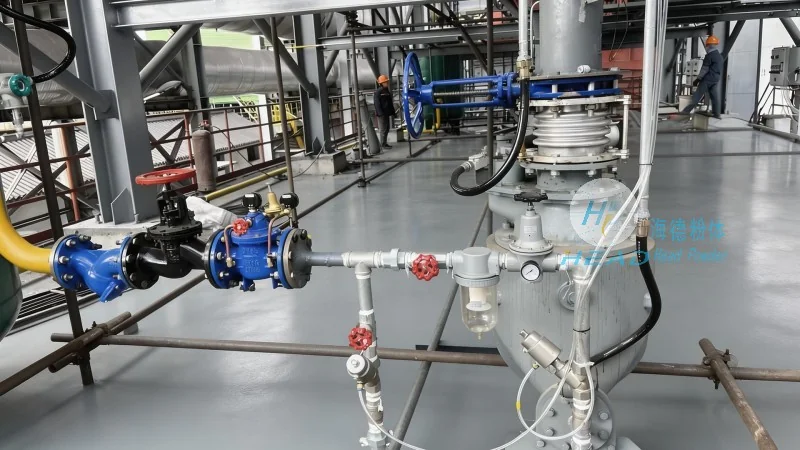
Understanding the Working Principle of Calcium Fluoride Powder Conveyors
The core mechanism of calcium fluoride powder conveyors involves the use of specialized equipment designed to move fine powders like CaF₂ through a system with minimal loss and optimal control. These conveyors typically operate on principles such as pneumatic or mechanical transport, depending on the specific design and application requirements. For instance, pneumatic conveyors use air pressure to propel the powder through a pipeline, while mechanical conveyors rely on rotating components like screws or belts to move the material. The choice of mechanism depends on factors including the powder's properties, such as its density, flowability, and potential for caking, as well as the distance and layout of the transport route.
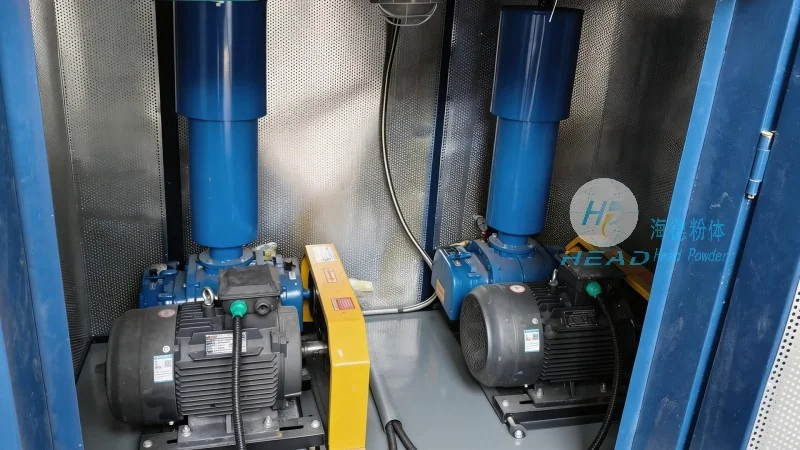
Key Features of Calcium Fluoride Powder Conveying Systems
Effective calcium fluoride powder conveyors are characterized by several essential features that ensure reliable operation and maintain the quality of the material. One of the primary features is the ability to handle fine powders without causing segregation or agglomeration, which is critical for maintaining the uniformity of CaF₂ in industrial applications. Advanced designs often incorporate features like air filtration and dust suppression systems to prevent contamination and ensure a clean working environment. Additionally, these conveyors are equipped with precise control mechanisms that allow for adjustable flow rates and pressure, enabling operators to optimize the transport process according to specific production needs. Another important feature is the durability and corrosion resistance of the materials used in the construction of the conveyor components, as calcium fluoride can be abrasive and may require specialized materials to withstand prolonged exposure.
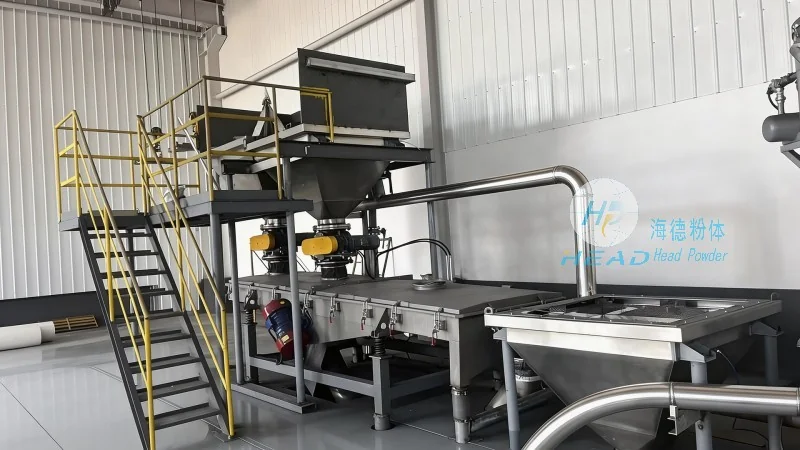
Company Profile: Shandong HeadPowder Engineering Co., Ltd.
HeadPowder, a leading manufacturer in the field of powder handling equipment, specializes in the design and production of calcium fluoride powder conveyors tailored to meet the diverse needs of industrial clients. With a strong focus on innovation and quality, the company has established itself as a trusted partner for businesses requiring reliable and efficient material transport solutions. HeadPowder's products are engineered to deliver high performance while ensuring compliance with industry standards and safety regulations. The company's commitment to customer satisfaction is reflected in its comprehensive after-sales support and technical assistance services, which help clients maximize the operational efficiency of their powder handling systems.
Application-Specific Design Considerations
The design of calcium fluoride powder conveyors is tailored to the specific characteristics of the material and the operational environment. For example, in applications where the powder is prone to static electricity, anti-static features are integrated into the conveyor components to prevent dust accumulation and ensure safe operation. Similarly, for processes requiring high precision in material dosing, conveyors with variable speed drives and accurate flow measurement systems are employed. The layout of the conveyor system is also carefully planned to minimize material handling time and reduce the risk of contamination, with considerations such as vertical and horizontal transport integration, as well as integration with other processing equipment like hoppers and mixers.
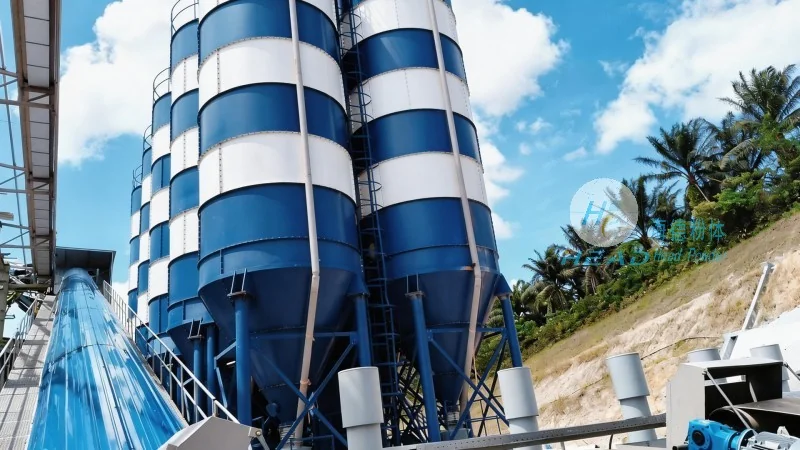
Advantages of Using Calcium Fluoride Powder Conveyors
Implementing calcium fluoride powder conveyors offers several significant advantages for industrial operations. Firstly, these systems enhance productivity by enabling continuous and automated material transport, reducing the need for manual handling and minimizing downtime. Secondly, they improve material quality by maintaining the integrity of the powder, preventing segregation and ensuring consistent product characteristics. Thirdly, the use of advanced control systems allows for real-time monitoring and adjustment of the transport process, leading to better process control and reduced waste. Finally, the durability and low maintenance requirements of modern conveyor designs contribute to long-term cost savings and operational reliability.