

Working Principle and Features of Continuous Powder Conveyors
Continuous powder conveyors are essential equipment in various industrial sectors, designed to transport bulk powders efficiently and reliably. These systems are engineered to handle a wide range of materials, from fine powders to granules, ensuring consistent and controlled movement. The primary goal of such equipment is to enhance productivity while maintaining material integrity and process safety.
Working Principle of Continuous Powder Conveyors
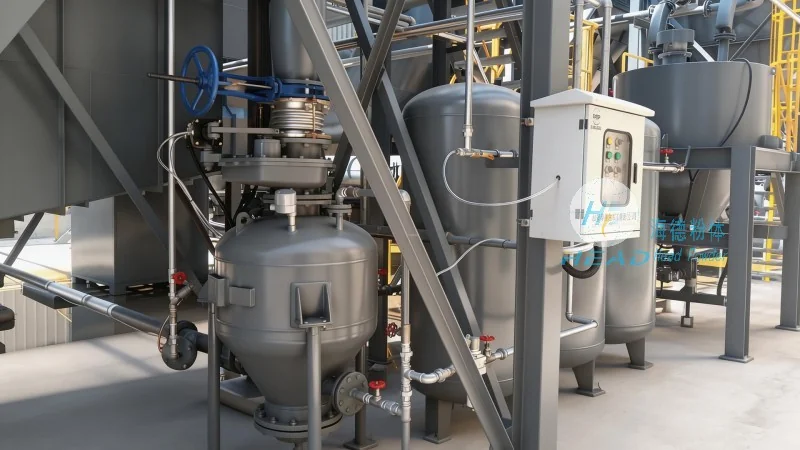
The operation of continuous powder conveyors typically involves several key components and mechanisms. At the core, these systems use a combination of mechanical and pneumatic principles to move powders through a pipeline or conveyor system. The process generally starts with the feeding of the powder material into the conveyor inlet. From there, the material is drawn or pushed through the system using air pressure, vacuum, or mechanical force, depending on the specific design and application requirements.
For example, pneumatic conveyors utilize compressed air to create a flow of air and powder particles. The air velocity is carefully controlled to ensure the powder is entrained without causing excessive wear or degradation. In contrast, mechanical conveyors may employ screw, belt, or bucket mechanisms to transport the material. Each method has its advantages, with pneumatic systems being particularly effective for handling fine or dusty powders where contamination is a concern.
Key Features of Continuous Powder Conveyors
Continuous powder conveyors offer several distinct features that make them suitable for diverse industrial applications. One of the most notable features is their ability to handle a wide variety of powder types, including abrasive, corrosive, or temperature-sensitive materials. This versatility is achieved through the use of specialized materials for the conveyor components, such as stainless steel, polyethylene, or other corrosion-resistant alloys.
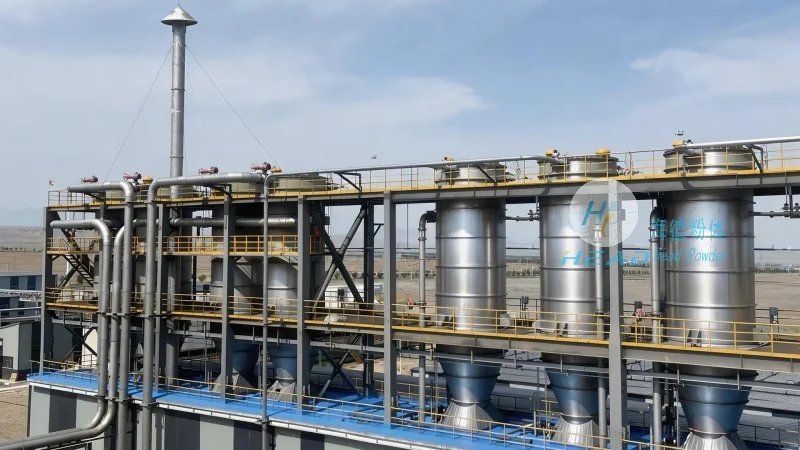
Another critical feature is the system's efficiency and reliability. Continuous operation allows for uninterrupted material flow, reducing downtime and increasing overall productivity. Additionally, these conveyors are designed with safety in mind, incorporating features like pressure relief valves, overcurrent protection, and emergency stop mechanisms to prevent accidents and ensure operator safety.
Energy efficiency is also a significant advantage. Modern continuous powder conveyors are engineered to minimize energy consumption while maintaining optimal performance. This is achieved through advanced control systems that adjust air pressure or motor speed based on the material flow rate, ensuring only the necessary energy is used.
Applications and Industries
Continuous powder conveyors are widely used across multiple industries, including pharmaceuticals, food processing, chemical manufacturing, and mining. In the pharmaceutical industry, for instance, these systems are crucial for transporting active ingredients and excipients with high precision and minimal contamination. In food processing, they are used to move ingredients like flour, sugar, or spices, ensuring hygienic and efficient handling.
In chemical manufacturing, the ability to handle corrosive or hazardous powders safely is paramount. Continuous conveyors are designed to prevent leaks and contamination, protecting both the material and the environment. Similarly, in mining operations, these systems are used to transport bulk minerals and ores from storage to processing facilities, improving operational efficiency.
Advantages Over Traditional Conveying Methods
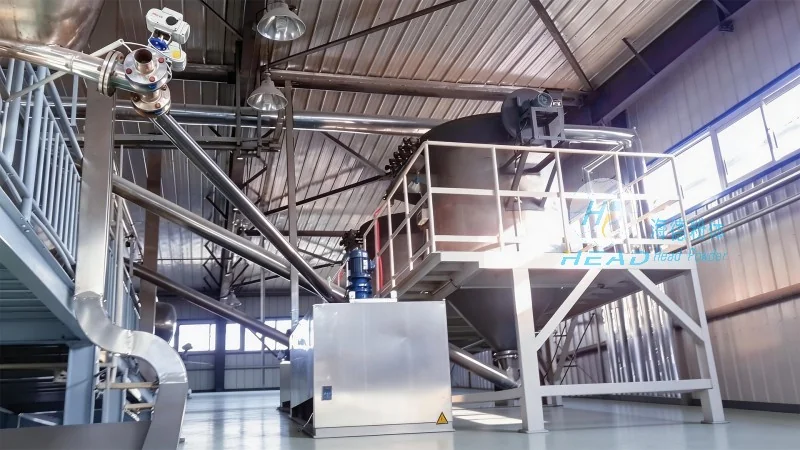
Compared to traditional methods like bucket elevators or belt conveyors, continuous powder conveyors offer several advantages. One key benefit is the reduced risk of material degradation due to less friction and impact. This is particularly important for sensitive materials that can be easily broken or altered by mechanical stress. Additionally, continuous systems provide a more consistent flow rate, which is essential for processes that require precise material control.
Another advantage is the ability to handle long distances and complex layouts. Pneumatic conveyors, in particular, can transport powders over significant distances without the need for multiple transfer points, simplifying the overall system design. This also reduces the need for additional equipment like elevators or transfer chutes, lowering installation and maintenance costs.
Conclusion
Continuous powder conveyors are sophisticated industrial equipment that combines advanced engineering with practical design to meet the demands of modern manufacturing. By understanding their working principles and key features, industries can select the most appropriate system for their specific needs, ensuring efficient, safe, and reliable material handling. As technology continues to evolve, these systems will likely become even more efficient and versatile, further enhancing their role in various industrial applications.