

Working Principle and Features of Silo Bulk Material Conveying Systems
Shandong HeadPowder Engineering Co., Ltd., commonly known as HeadPowder, specializes in the design, manufacturing, and installation of advanced bulk material conveying systems for silos. Based in Shandong, China, the company leverages decades of industry experience to deliver solutions tailored to the unique challenges of handling powders and granules in industrial applications. This article explores the fundamental working principles and key features of these systems, providing a comprehensive overview for professionals in material handling and process industries.
The Working Principle of Silo Bulk Material Conveying Systems
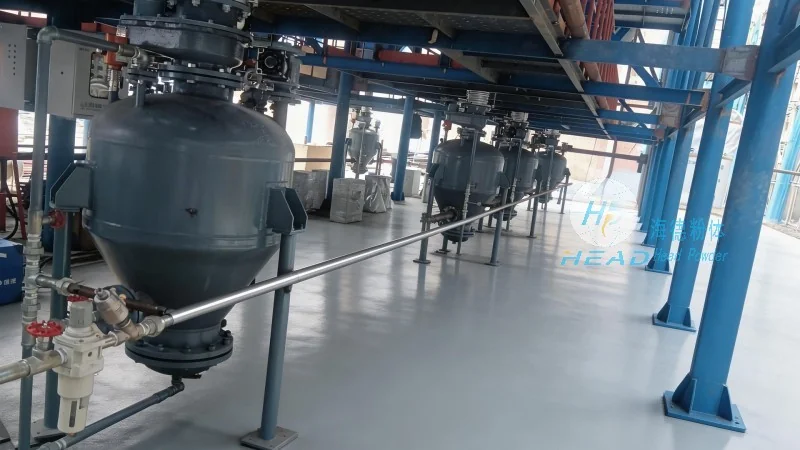
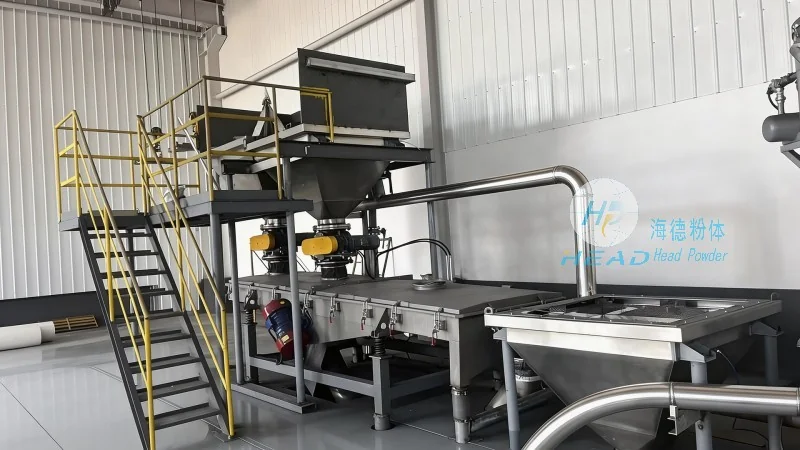
The core function of a silo bulk material conveying system is to transport bulk materials from storage silos to processing equipment, such as mixers, reactors, or packaging machines. The process typically begins with the material being discharged from the silo through a hopper or outlet valve. From there, the material is transferred to a conveyor system, which may include components like screw conveyors, pneumatic conveyors, or bucket elevators, depending on the material properties and application requirements. The system operates by converting the potential energy of the stored material into kinetic energy, enabling efficient movement without excessive mechanical stress. For example, in a screw conveyor system, a rotating helical screw pushes the material forward, while in a pneumatic system, compressed air creates a flow that carries the material through a pipeline. The control system, often integrated with sensors and automation, regulates the flow rate and pressure to maintain consistent performance and prevent blockages or overloading.
Key Features of Silo Bulk Material Conveying Systems
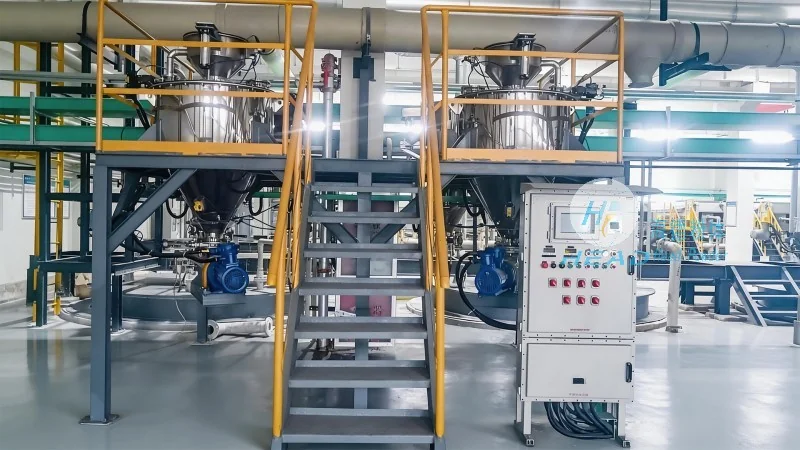
HeadPowder’s silo bulk material conveying systems are engineered with several distinct features that enhance performance and reliability. One of the primary advantages is their adaptability to a wide range of materials, including powders, granules, and bulk solids, with varying densities, flowability, and moisture content. The systems are designed to minimize material degradation, ensuring that the quality of the product remains intact during transport. Additionally, the equipment is built for durability and low maintenance, using high-quality materials such as stainless steel or corrosion-resistant alloys to withstand harsh operating conditions. Another notable feature is the integration of advanced monitoring and control technologies, which allow for real-time tracking of material flow, pressure, and temperature. This enables operators to detect issues promptly and adjust parameters to optimize efficiency. The systems also prioritize safety, incorporating features like overload protection, emergency stop mechanisms, and dust suppression systems to comply with industrial safety standards. Furthermore, the modular design of these systems allows for easy customization and expansion, making them suitable for both new installations and retrofits in existing facilities.
Efficiency and Performance in Industrial Applications
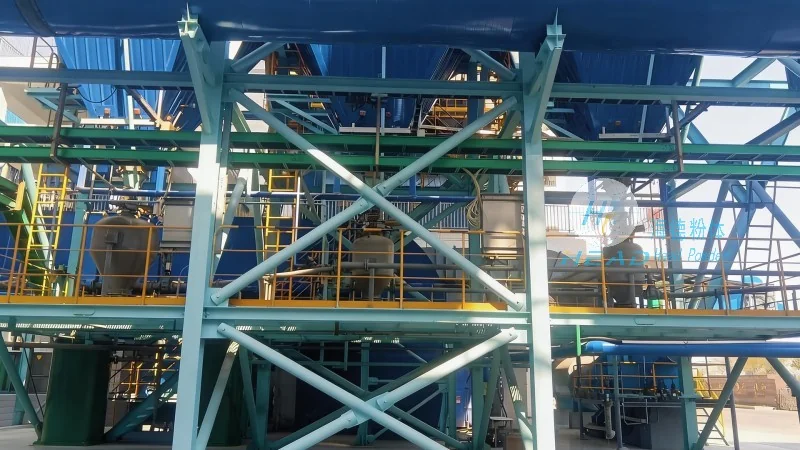
The effectiveness of a silo bulk material conveying system is critical to the overall productivity of industrial processes. By ensuring a continuous and reliable flow of materials, these systems reduce downtime and improve throughput. For example, in pharmaceutical or food processing industries, where material purity is paramount, the systems’ ability to maintain consistent flow and prevent contamination is essential. In chemical manufacturing, the systems’ resistance to corrosion and ability to handle aggressive materials ensure long-term operational stability. The integration of automation and control systems further enhances efficiency by minimizing human intervention and maximizing process consistency. HeadPowder’s solutions are designed to meet the specific demands of each application, whether it involves high-volume material handling in mining or low-volume, precise dosing in laboratory settings. The result is a system that not only meets but often exceeds the performance expectations of industrial clients, contributing to increased profitability and operational excellence.