

[W]Working Principle and Features of Chloroprene Rubber Powder Conveying
Chloroprene rubber, also known as neoprene, is a synthetic rubber widely used in industrial applications such as manufacturing seals, hoses, and gaskets due to its excellent resistance to oil, heat, and weathering. The efficient handling and transportation of chloroprene rubber powder are critical for maintaining production efficiency and product quality. This article explores the working principle and key features of chloroprene rubber powder conveying systems, providing insights into how these systems operate and their advantages in industrial settings.
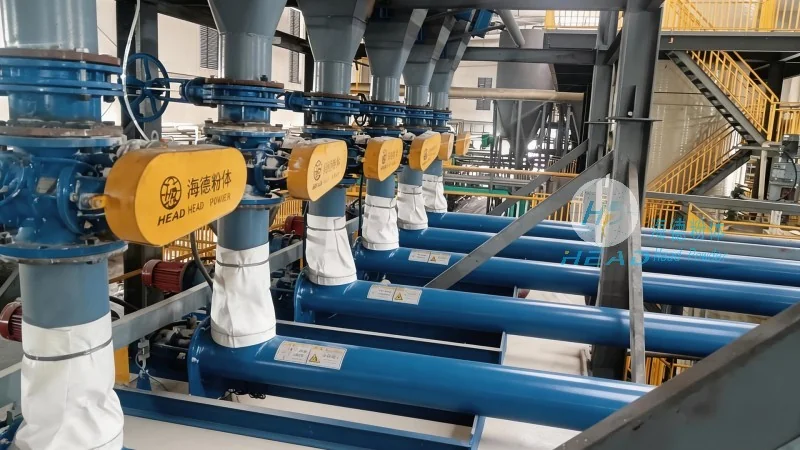
Introduction to Chloroprene Rubber Powder Conveying
Chloroprene rubber powder conveying refers to the process of transporting chloroprene rubber in powder form from one location to another within industrial facilities. This process is essential for various stages of production, including raw material handling, mixing, and processing. The goal of an effective powder conveying system is to move the rubber powder with minimal loss, contamination, and energy consumption, while ensuring safety and compliance with industrial standards.
Working Principle of Chloroprene Rubber Powder Conveying
The working principle of chloroprene rubber powder conveying typically involves the use of specialized equipment designed to handle fine powders. Common systems include screw conveyors, pneumatic (air-assisted) conveyors, and bucket elevators. Each system operates based on different physical principles to move the powder:
1. **Screw Conveyors**: These systems use a rotating screw or auger to push the powder along a tube or trough. The screw's rotation creates a forward motion, propelling the chloroprene rubber powder through the system. The speed and pitch of the screw can be adjusted to control the flow rate and prevent blockages.
2. **Pneumatic Conveyors**: Also known as air-assisted systems, these use compressed air to transport the powder in a closed pipeline. The powder is suspended in the air stream and carried to the destination. This method is particularly effective for fine powders like chloroprene rubber, as it minimizes dust generation and allows for long-distance transport.
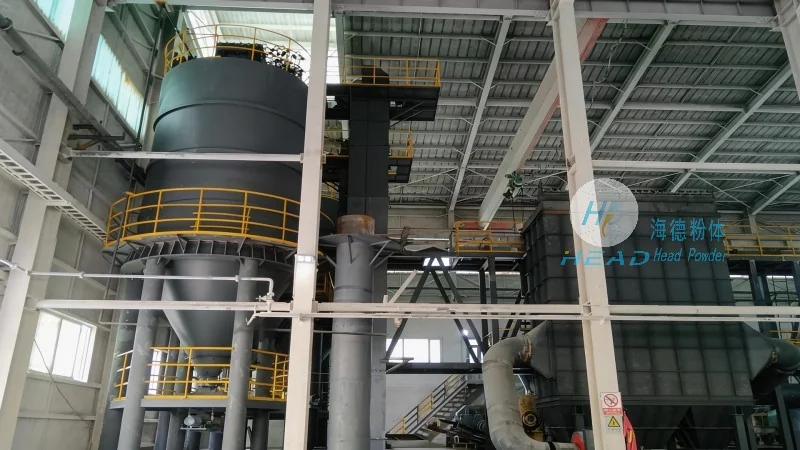
3. **Bucket Elevators**: These systems use a series of buckets attached to a chain or belt that moves vertically. The buckets scoop up the powder at the bottom and release it at the top, enabling vertical transport. This is ideal for applications requiring elevation changes in the conveying process.
Regardless of the specific equipment used, the core principle is to create a consistent flow of powder by controlling variables such as pressure, air velocity, and mechanical force. Proper maintenance and calibration of the conveying system are essential to ensure reliable operation and prevent issues like clogging or material degradation.
Key Characteristics of Chloroprene Rubber Powder Conveying
Effective chloroprene rubber powder conveying systems exhibit several key characteristics that make them suitable for industrial applications:
1. **High Efficiency**: Modern conveying systems are designed to maximize material throughput while minimizing energy consumption. This is achieved through optimized equipment design, such as variable-speed drives and efficient air compression systems.
2. **Environmental Friendliness**: Pneumatic conveying systems, in particular, are known for their low dust emission compared to mechanical systems. This reduces the risk of airborne contamination and improves workplace safety.
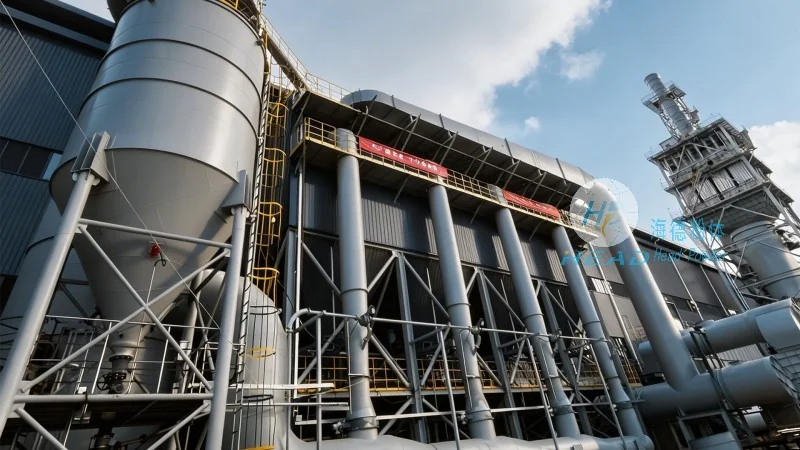
3. **Reliability and Durability**: Chloroprene rubber is a robust material, and the conveying equipment used to handle it must be equally durable. Materials like stainless steel and specialized coatings are often employed to resist corrosion and wear from the powder.
4. **Adaptability**: Conveying systems can be customized to handle chloroprene rubber powders of varying particle sizes and moisture content. This flexibility allows manufacturers to adapt the system to different production requirements without significant modifications.
5. **Safety and Compliance**: Industrial conveying systems must adhere to safety regulations, including dust explosion prevention measures and proper ventilation. This ensures that the operation is safe for personnel and compliant with environmental standards.
Company Profile: Shandong HeadPowder Engineering Co., Ltd.
Shandong HeadPowder Engineering Co., Ltd., operating under the brand name HeadPowder, is a leading provider of powder handling solutions for industries including rubber manufacturing. With a strong presence in China, particularly in Shandong, the company specializes in designing, manufacturing, and installing custom chloroprene rubber powder conveying systems. HeadPowder's expertise lies in understanding the unique properties of chloroprene rubber and tailoring conveying solutions to meet the specific needs of clients. The company's commitment to quality, innovation, and customer service has established it as a trusted partner in the industry, delivering reliable and efficient powder handling systems that enhance production efficiency and product quality.