

Working Principle and Features of Bamboo Powder Pneumatic Conveying System Equipment
For industrial applications involving bamboo powder handling, understanding the working principle and key features of pneumatic conveying systems is crucial. This article provides an in-depth look at the mechanisms behind such equipment, highlighting how it efficiently transports bamboo powder while addressing common operational challenges. The information is presented by Shandong HeadPowder Engineering Co., Ltd., a leading provider of specialized material handling solutions based in China.
Working Principle of Bamboo Powder Pneumatic Conveying Systems
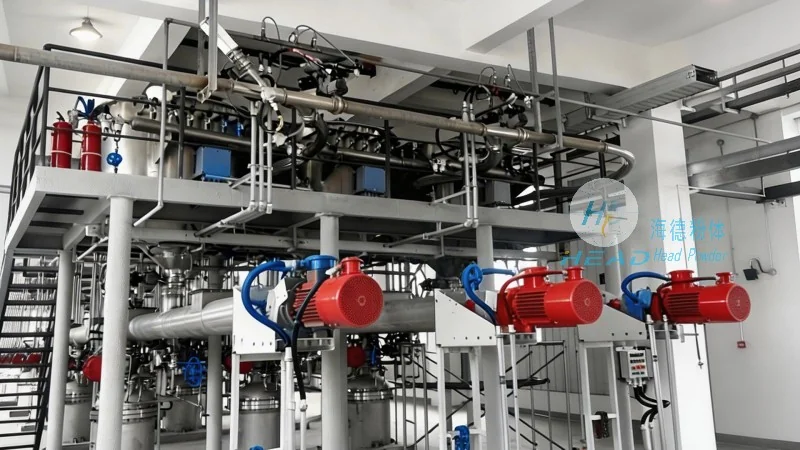
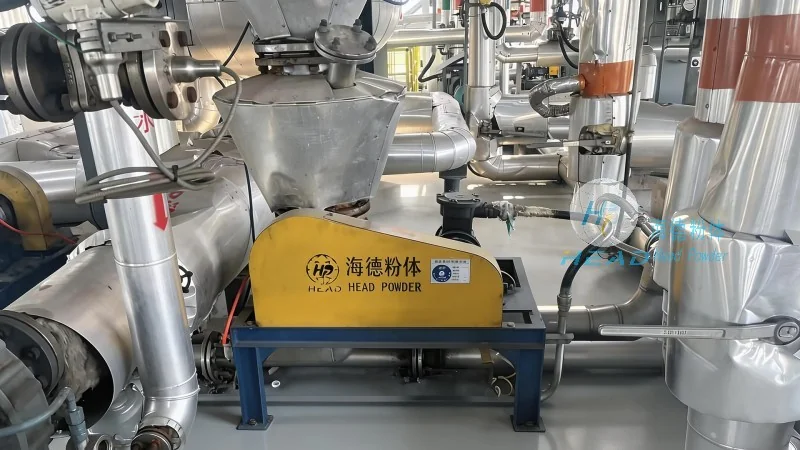
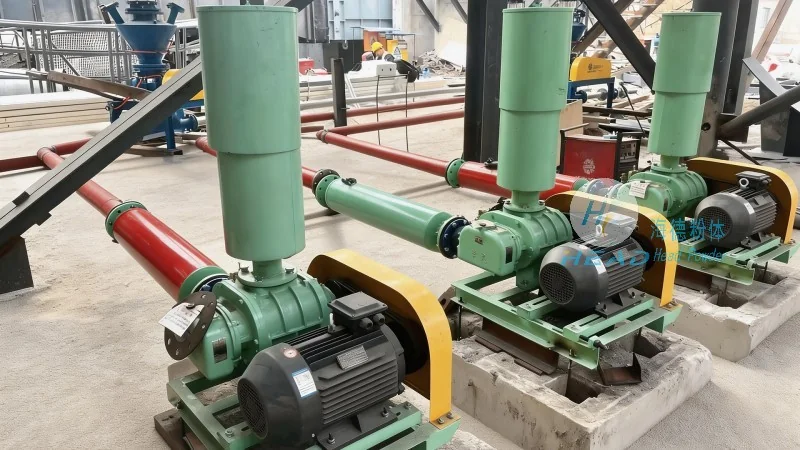
The core of a bamboo powder pneumatic conveying system lies in its ability to use air as the medium for transporting solid particles. The system typically operates on the principle of creating a pressure differential between the conveying line and the ambient environment. In a positive pressure system, compressed air is introduced into the hopper containing the bamboo powder, forcing the material to flow through the pipeline. Conversely, a negative pressure system draws air and powder from the material source into the conveying line using a vacuum. The choice between positive and negative pressure depends on factors such as the distance of transport, the quantity of material, and the specific characteristics of the bamboo powder, including its moisture content and particle size distribution. The system components include a hopper for material storage, a feeder to control the flow rate, a conveyor line (often made of stainless steel or other corrosion-resistant materials to handle the potential moisture or chemical properties of bamboo powder), and a receiver where the material is deposited. The air flow is managed by a blower or vacuum pump, which ensures consistent pressure and flow rates. The design of the system must account for the aerodynamic properties of bamboo powder, such as its tendency to agglomerate or create dust, to prevent blockages and ensure smooth operation. By understanding these fundamental principles, users can optimize the system for their specific bamboo powder handling needs, improving efficiency and reducing operational costs.
Key Features of Bamboo Powder Pneumatic Conveying Equipment
Shandong HeadPowder Engineering Co., Ltd. offers pneumatic conveying systems tailored to the unique requirements of bamboo powder processing. These systems are characterized by several key features that enhance performance and reliability. First, the equipment is designed with high-precision control mechanisms to regulate the flow rate of bamboo powder, ensuring consistent and uniform transport. This is critical in applications where the powder's quality and consistency are paramount, such as in the production of bamboo-based composites or other value-added products. Second, the system incorporates advanced filtration and dust control measures to minimize environmental impact and comply with industrial regulations. Bamboo powder can generate fine particles that pose health and safety risks, so the equipment includes filters and dust collectors to capture and contain these particles, preventing air pollution and protecting personnel. Third, the construction materials used in the system are selected for durability and resistance to the potential corrosive or abrasive properties of bamboo powder. Stainless steel components are commonly employed to withstand the wear and tear from the powder, while the hopper and feeder are designed with smooth surfaces to prevent material buildup and blockages. Fourth, the system is equipped with monitoring and alarm systems that provide real-time feedback on operational parameters, such as pressure, flow rate, and temperature. This allows operators to detect and address issues promptly, reducing downtime and preventing system failures. Additionally, the modular design of the equipment enables easy maintenance and scalability, allowing users to expand the system as their production needs grow. These features collectively contribute to the efficiency, safety, and longevity of the bamboo powder pneumatic conveying system, making it a reliable choice for industrial applications.
Applications and Benefits in Bamboo Powder Processing
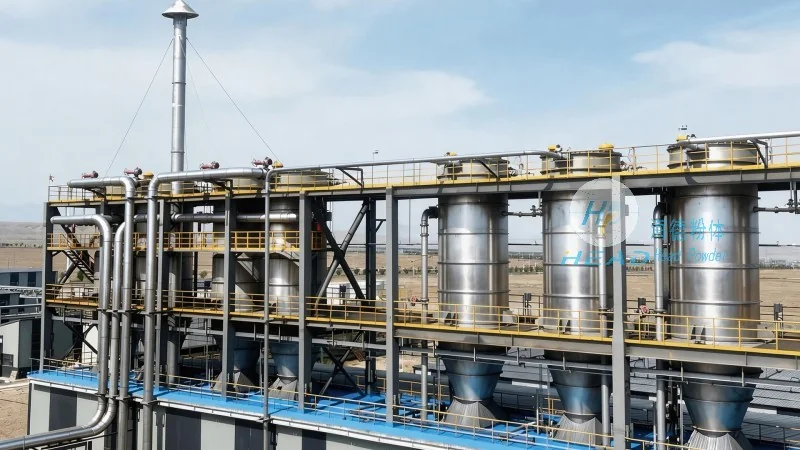
Bamboo powder pneumatic conveying systems find wide applications in various industries that utilize bamboo as a raw material. In the manufacturing of bamboo-based panels, such as MDF or particleboard, the system efficiently transports bamboo powder from storage to the production line, ensuring a steady supply of material for consistent product quality. Similarly, in the production of bamboo fiber products, like textiles or insulation materials, the system helps maintain the purity and consistency of the fiber, which is essential for meeting industry standards. The benefits of using a pneumatic conveying system for bamboo powder processing are significant. Compared to traditional methods like belt conveyors or bucket elevators, pneumatic systems offer several advantages. They are more hygienic, as the material is enclosed within the pipeline, reducing exposure to contaminants. They also provide better control over the flow rate, preventing overloading or underloading of the processing equipment. Furthermore, the system is more energy-efficient, as it uses compressed air or vacuum to transport the material, which can be more cost-effective than mechanical systems, especially over longer distances. The reliability of the system is another key benefit, as it minimizes downtime and maintenance costs, leading to higher overall productivity. For companies in the bamboo processing industry, investing in a well-designed pneumatic conveying system can result in improved operational efficiency, reduced waste, and enhanced product quality. By leveraging the expertise of Shandong HeadPowder Engineering Co., Ltd., users can select and implement a system that meets their specific requirements, ensuring optimal performance and long-term success in their bamboo powder handling operations.