

Working Principle and Features of Silicomanganese Pneumatic Conveying Equipment
For industrial applications requiring the efficient handling of silicomanganese, pneumatic conveying systems offer a reliable and flexible solution. This article explores the working principle and key features of silicomanganese pneumatic conveying equipment, providing insights into how it operates and its advantages in material transport.
Working Principle of Silicomanganese Pneumatic Conveying Equipment
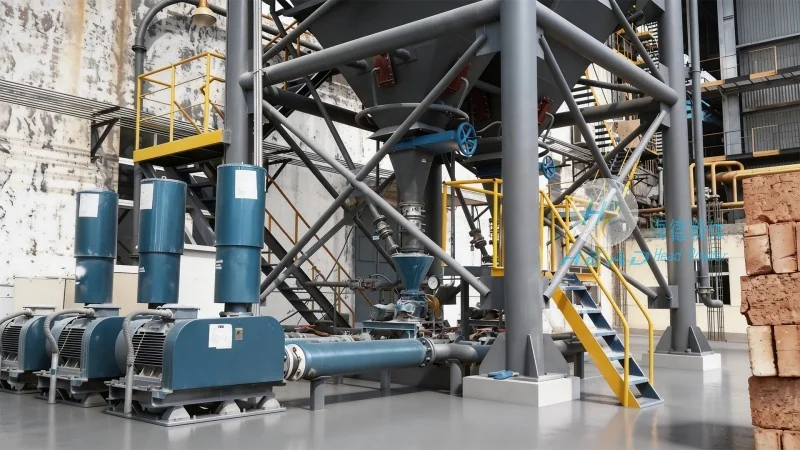
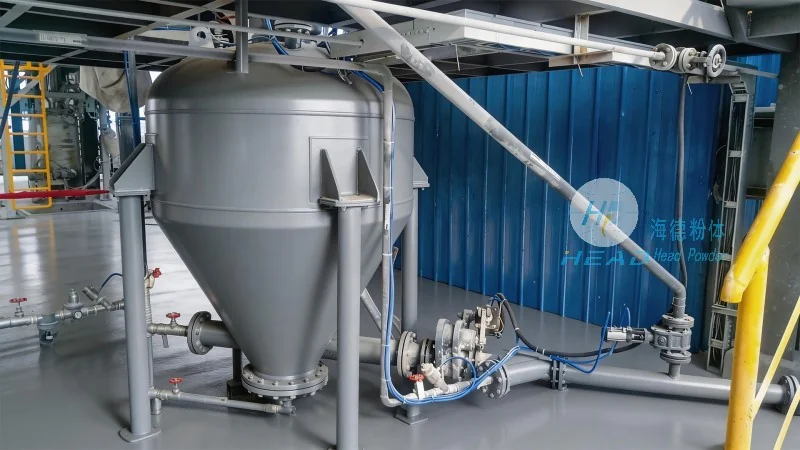
Silicomanganese pneumatic conveying equipment operates on the principle of air flow to transport bulk materials. The system typically consists of a hopper, a rotary valve, a conveying pipe, and a receiver. Material is fed into the hopper from a storage silo or batch container. When the rotary valve opens, the silicomanganese is discharged into the conveying pipe, where it is entrained by high-velocity air. The air and material mixture travels through the pipe to the receiver, where the material is separated from the air by a cyclone or other separation device. The separated air is then discharged back into the system or to the atmosphere, while the silicomanganese is collected in the receiver. This process ensures a continuous and controlled flow of material, minimizing dust generation and ensuring safe operation. The system can be configured as either positive pressure or negative pressure, depending on the specific application requirements. Positive pressure systems use a blower to generate air pressure, pushing the material through the pipe, while negative pressure systems use a vacuum pump to create a suction effect, drawing the material into the pipe. Both configurations are effective for silicomanganese transport, with positive pressure often preferred for longer distances or when handling dusty materials due to its higher air velocity and reduced risk of material clogging.
Key Features of Silicomanganese Pneumatic Conveying Equipment
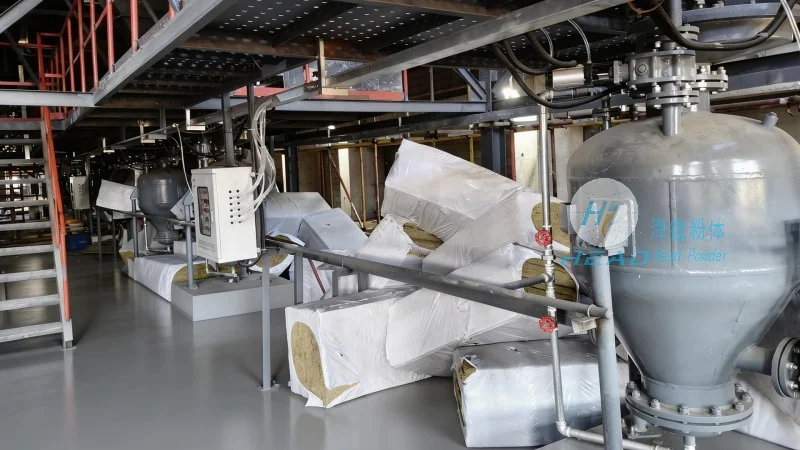
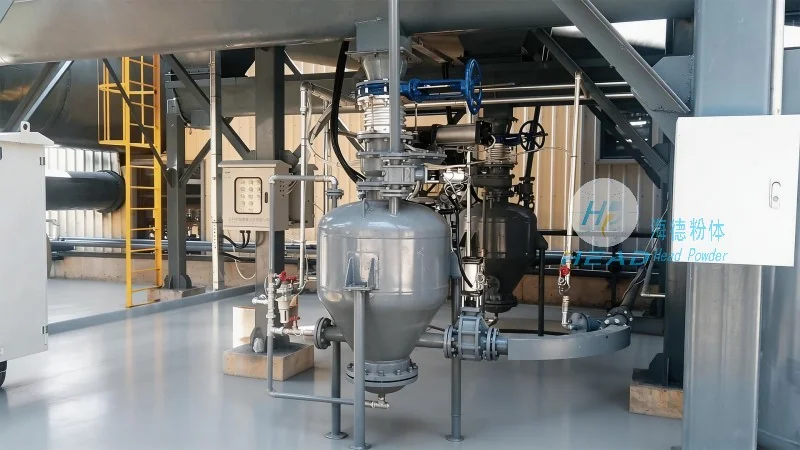
The silicomanganese pneumatic conveying equipment from Shandong HeadPowder Engineering Co., Ltd. is designed with several key features that enhance its performance and reliability. First, the system is equipped with a high-efficiency rotary valve that ensures accurate and consistent material feed, preventing blockages and maintaining a steady flow rate. The rotary valve is constructed from wear-resistant materials, such as hardened steel or ceramic, to withstand the abrasive nature of silicomanganese and extend its service life. Second, the conveying pipe is constructed from durable materials, such as stainless steel or special alloys, to withstand the corrosive nature of silicomanganese and resist wear from abrasion. The pipe is also equipped with internal liners or coatings to further protect against corrosion and extend its operational lifespan. Third, the equipment incorporates advanced air control systems, including variable frequency drives (VFDs) and pressure sensors, which allow for precise adjustment of air velocity and pressure to optimize material transport efficiency. The VFDs enable smooth control of the blower or vacuum pump, reducing energy consumption and preventing damage to the motor. Fourth, the system features a compact design that minimizes floor space requirements, making it suitable for installation in existing industrial facilities. The equipment is also designed for easy maintenance, with accessible components and modular construction that allows for quick replacement of parts. Additionally, the equipment is equipped with safety features, such as pressure relief valves and dust collection systems, to ensure safe operation and compliance with environmental regulations. The dust collection system captures any airborne particles, preventing dust pollution and maintaining a clean working environment.
Application and Benefits
Silicomanganese pneumatic conveying equipment is widely used in various industrial sectors, including steel production, chemical processing, and mining. The equipment is particularly suitable for applications where silicomanganese needs to be transported over long distances or through complex layouts, such as from a storage silo to a furnace or reactor. The benefits of using pneumatic conveying for silicomanganese include improved safety, as the system is enclosed and reduces the risk of dust explosions compared to traditional belt or bucket elevators. It also offers higher efficiency, as the material is transported in a continuous flow, reducing downtime and increasing production capacity. Additionally, the system is more hygienic and easier to clean, making it suitable for applications where material contamination is a concern. The equipment from Shandong HeadPowder Engineering Co., Ltd. is tailored to meet the specific needs of each customer, with customizable configurations to accommodate different material properties, flow rates, and distance requirements. The company's expertise in pneumatic conveying technology ensures that the equipment is designed and manufactured to the highest standards, providing reliable and long-lasting performance.