

[Pneumatic Conveying of Nickel Sulfate Crystalline Material: Understanding Its Design Principles]
When it comes to handling nickel sulfate crystalline material, efficient and reliable material transport is crucial for industrial operations. Pneumatic conveying systems have emerged as a preferred method for transporting such materials, offering advantages like reduced equipment wear, lower maintenance requirements, and the ability to handle materials in a dust-free environment. This article delves into the concept of pneumatic conveying for nickel sulfate crystalline material and explores the underlying design principles that ensure optimal performance.
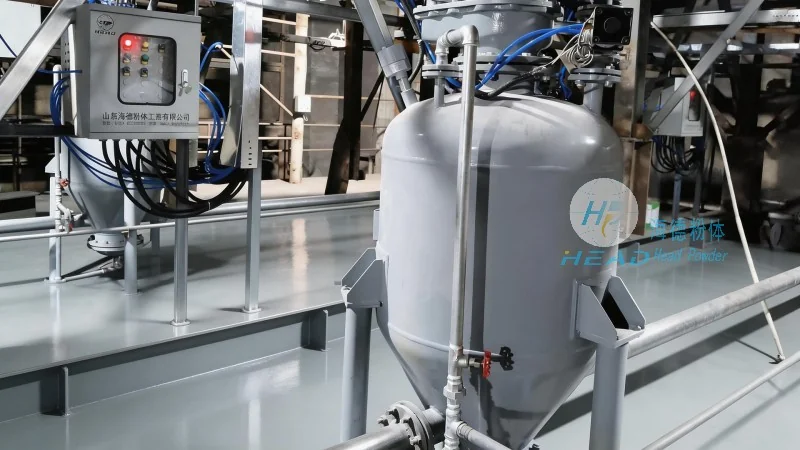
Introduction to Pneumatic Conveying of Nickel Sulfate Crystalline Material
Nickel sulfate is a widely used chemical in various industries, including battery manufacturing, electroplating, and chemical synthesis. The crystalline form of this material presents unique challenges during handling, such as its tendency to agglomerate and its sensitivity to moisture. Traditional methods like bucket elevators or belt conveyors may not be suitable due to the risk of material degradation or increased dust generation. Pneumatic conveying addresses these challenges by using a pressurized air or gas stream to transport the material through a pipeline system.
Key Components of a Pneumatic Conveying System
A pneumatic conveying system for nickel sulfate crystalline material typically consists of several key components. The primary components include a blower or compressor to generate the necessary air pressure, a hopper or feeder to introduce the material into the system, a pipeline network to transport the material, and a receiver or discharge unit to collect the material at the destination. Additionally, the system may include accessories like filters, cyclones, and pressure relief valves to ensure safe and efficient operation.
Design Principles for Optimal Performance
The design of a pneumatic conveying system for nickel sulfate crystalline material is critical to its effectiveness. Several key principles guide the design process, ensuring that the system operates efficiently and safely. These principles include:
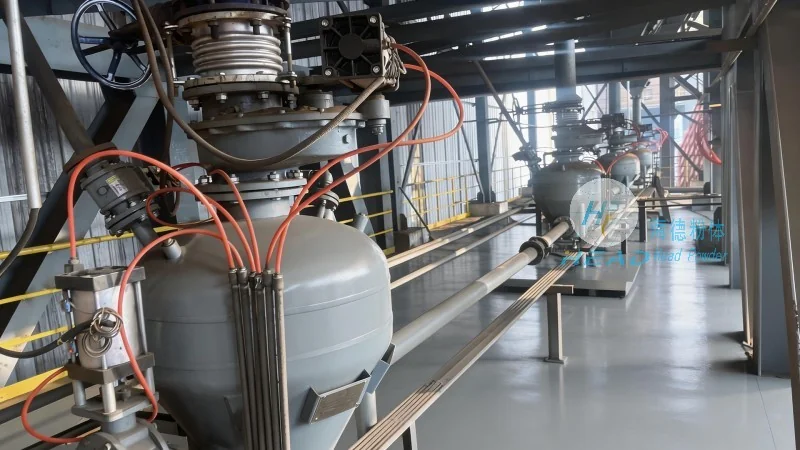
1. **Air Velocity and Flow Rate**: The air velocity within the pipeline must be sufficient to lift and transport the material without causing excessive wear on the system components. For nickel sulfate crystalline material, the optimal air velocity typically ranges from 20 to 30 meters per second, depending on the particle size and density. The flow rate is determined by the required material throughput and the system's pressure drop.
2. **Pipeline Sizing and Layout**: The diameter and length of the pipeline are critical factors in the system's performance. The pipeline diameter is selected based on the material's flow characteristics and the required air velocity. The layout of the pipeline, including the number of bends and the elevation changes, must be carefully designed to minimize pressure losses and prevent material deposition.
3. **Feeding and Discharge Systems**: The feeding system must ensure a consistent and controlled flow of material into the pipeline. For crystalline materials, a rotary valve or a star feeder is often used to prevent blockages and maintain a steady flow. The discharge system, such as a cyclone or a rotary valve, must effectively separate the material from the air stream and prevent dust emissions.
Advantages of Pneumatic Conveying for Nickel Sulfate Crystalline Material
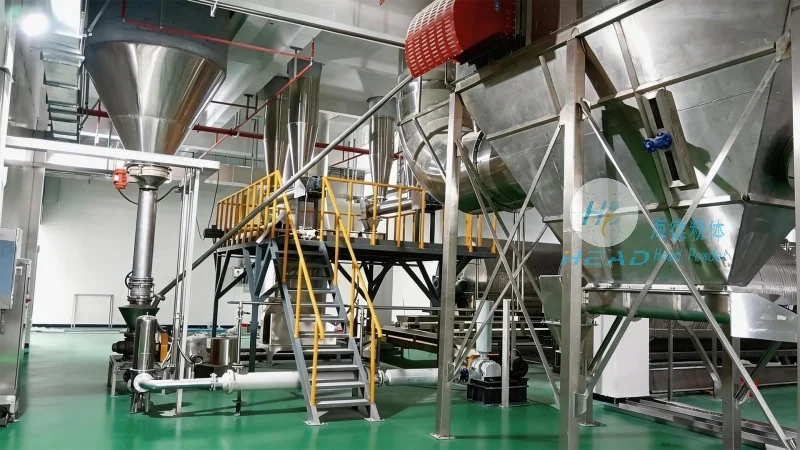
Pneumatic conveying offers several advantages over traditional material handling methods for nickel sulfate crystalline material. These advantages include:
- **Dust-Free Operation**: The enclosed pipeline system prevents dust from being released into the environment, reducing health hazards and improving workplace safety.
- **Reduced Equipment Wear**: The material is transported in a fluidized state, minimizing direct contact with system components and reducing wear and tear.
- **Flexibility in Layout**: The pipeline can be easily routed around obstacles, allowing for flexible plant layouts without the need for complex infrastructure.
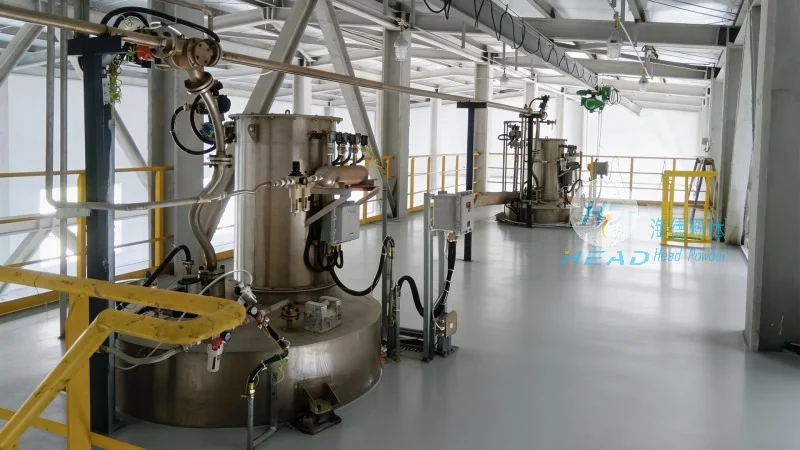
- **Low Maintenance Requirements**: Pneumatic conveying systems typically have fewer moving parts compared to mechanical conveyors, resulting in lower maintenance costs and downtime.
Applications and Industries
The pneumatic conveying of nickel sulfate crystalline material is widely used in various industries. In the battery manufacturing industry, nickel sulfate is used as a precursor for lithium-ion batteries, and pneumatic conveying ensures efficient transport of the material to the production lines. In the electroplating industry, nickel sulfate is used as an electrolyte, and the system helps in transporting the material to the plating tanks. Additionally, the chemical and pharmaceutical industries utilize pneumatic conveying for handling nickel sulfate in various processes.
Conclusion
Pneumatic conveying of nickel sulfate crystalline material is a highly effective method for material transport, offering numerous benefits over traditional methods. The design principles, including proper air velocity, pipeline sizing, and feeding systems, are essential for ensuring the system's optimal performance. As industries continue to rely on nickel sulfate for various applications, the importance of efficient material handling systems like pneumatic conveying will only grow. Companies like Shandong HeadPowder Engineering Co., Ltd., with their expertise in engineering and manufacturing, play a crucial role in providing customized pneumatic conveying solutions tailored to the specific needs of their clients.