

What is a high-temperature fine powder pneumatic conveying line? What are its design principles?
High-temperature fine powder pneumatic conveying lines are specialized systems engineered to transport fine powders, often at elevated temperatures, through a pipeline using compressed air or other gas. These systems are crucial in industries such as chemical processing, pharmaceuticals, and food production, where the handling of heat-sensitive or abrasive powders requires precise control and efficient transport. The design of such lines involves careful consideration of material properties, temperature management, and system efficiency to ensure reliable operation under demanding conditions.
Key Components and Their Functions
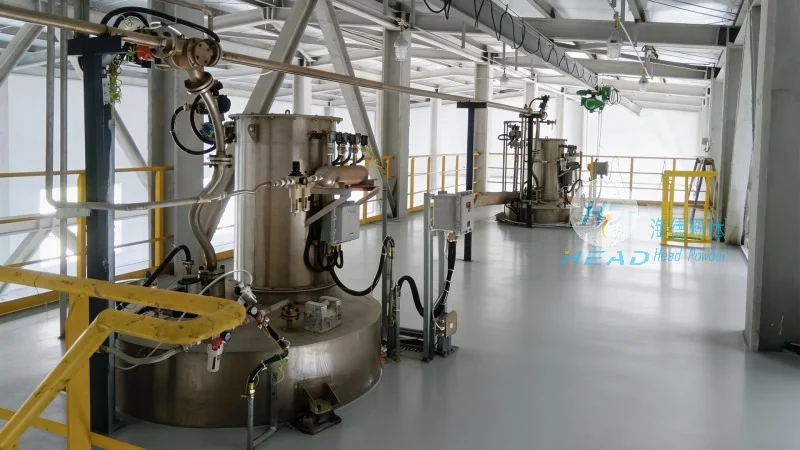
The core components of a high-temperature fine powder pneumatic conveying line typically include a hopper for material storage, a feeder to control the flow rate, a conveying pipeline, a gas source (usually a blower or compressor), and a receiver for the discharged material. Each component plays a vital role in the overall performance of the system. The hopper is designed to accommodate the bulk material and maintain a consistent feed, while the feeder ensures a steady and controlled discharge into the pipeline. The conveying pipeline, often made of corrosion-resistant materials like stainless steel or special alloys, must withstand the high temperatures and abrasive nature of the fine powders. The gas source provides the necessary pressure and flow rate to move the material through the pipeline, and the receiver collects the material at the destination point, often with features to prevent dust emission and ensure material containment.
Design Principles for High-Temperature Applications
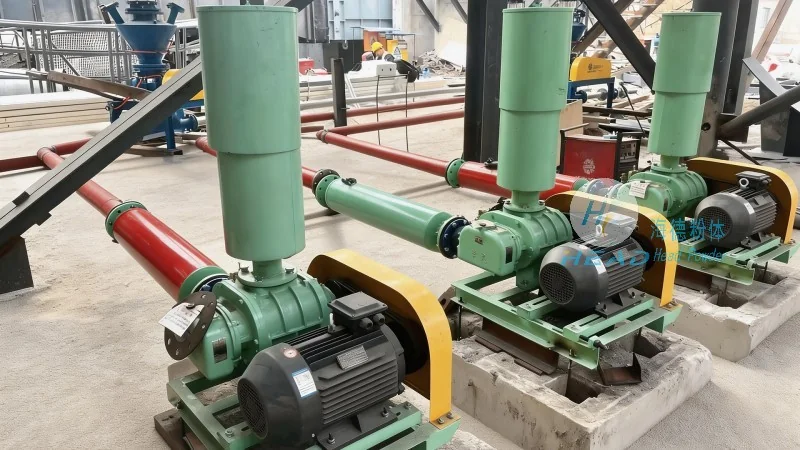
Designing a high-temperature fine powder pneumatic conveying line requires adherence to several key principles to ensure safety, efficiency, and longevity. First, thermal resistance is critical; components such as the hopper, feeder, and pipeline must be constructed from materials that can withstand the elevated temperatures without degrading or losing structural integrity. For instance, stainless steel or high-temperature-resistant alloys are commonly used for parts exposed to high heat. Second, material compatibility is essential. The conveying system must be compatible with the specific powder being transported, considering factors like particle size, moisture content, and chemical reactivity. This ensures that the system does not cause degradation or contamination of the product. Third, pressure and flow rate optimization is crucial. The system must be designed to maintain an appropriate pressure and flow rate to prevent blockages or excessive energy consumption. This involves selecting the right type of blower (e.g., rotary lobe or centrifugal) and determining the optimal pipeline diameter and length. Fourth, safety considerations are paramount. High-temperature systems often involve flammable or toxic powders, so safety features such as explosion-proof designs, temperature monitoring, and emergency shut-off mechanisms are integrated into the design to mitigate risks.
Operational Considerations and Maintenance
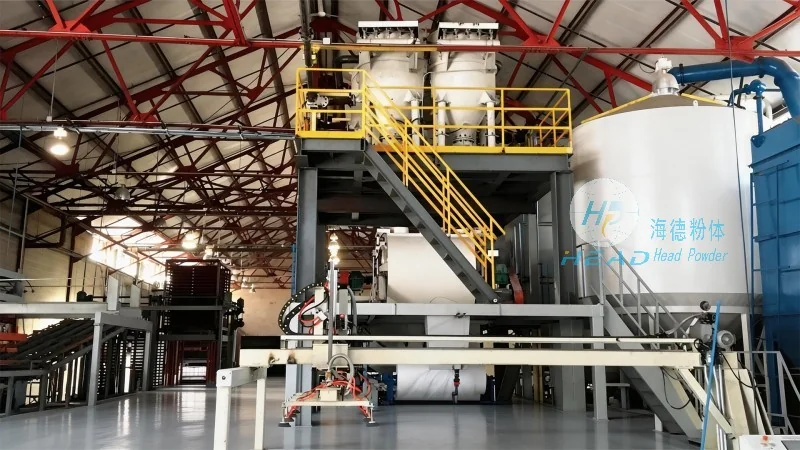
Once installed, the operation of a high-temperature fine powder pneumatic conveying line requires careful monitoring and regular maintenance to ensure optimal performance and longevity. Operational considerations include maintaining consistent air pressure and flow rates, monitoring temperature levels at various points in the system, and ensuring that the feeder and hopper are not clogged with material. Regular maintenance activities may include cleaning the pipeline and components to prevent buildup of fine powders, inspecting seals and gaskets for wear, and checking the blower and other mechanical parts for proper functioning. Proper maintenance not only extends the life of the equipment but also ensures that the system operates efficiently, minimizing downtime and material loss.
Applications and Industry Impact
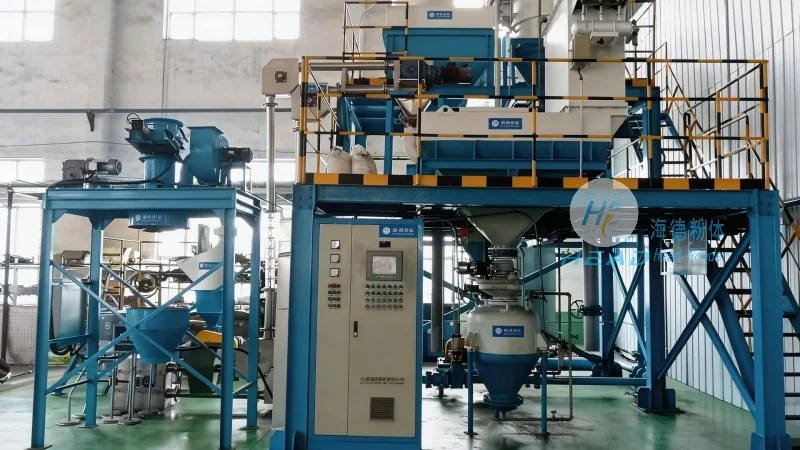
High-temperature fine powder pneumatic conveying lines are widely used in various industrial applications where the transport of heat-sensitive or abrasive powders is necessary. In the chemical industry, these systems are used to transport raw materials like pigments, catalysts, and powders used in the production of coatings and adhesives. In the pharmaceutical industry, they are employed to handle active pharmaceutical ingredients (APIs) and other fine powders that require strict contamination control and temperature management. The food industry also utilizes these systems for transporting ingredients like spices, flour, and other fine powders used in food processing. By providing an efficient and safe method of transporting these materials, high-temperature pneumatic conveying lines contribute to improved productivity, reduced labor costs, and enhanced product quality in these industries.