

What is Potassium Hydroxide Powder Pneumatic Conveying Equipment? What is the Design Principle?
Understanding the technology behind efficient material handling is crucial for industries dealing with hazardous or sensitive powders like potassium hydroxide. This article explores the concept of potassium hydroxide powder pneumatic conveying equipment, detailing its design principles and operational advantages.
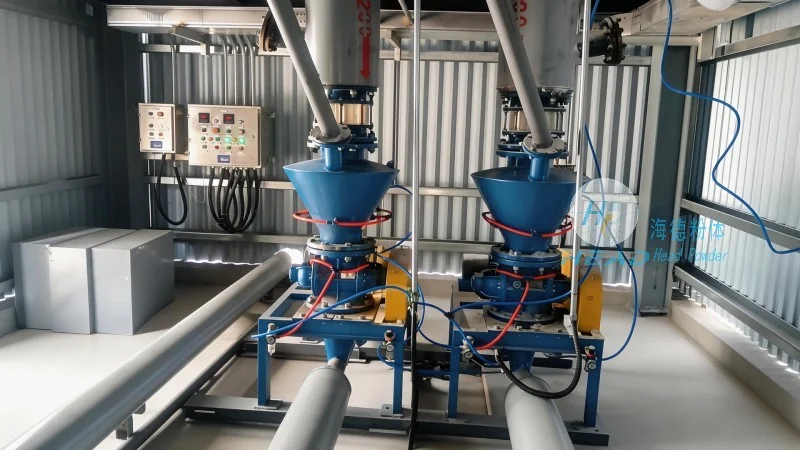
Potassium Hydroxide Powder Pneumatic Conveying Equipment: An Overview
Potassium hydroxide (KOH) is a strong alkaline chemical widely used in various industrial applications, including chemical manufacturing, food processing, and pharmaceuticals. Handling KOH powder requires specialized equipment to ensure safety, efficiency, and product integrity. Pneumatic conveying systems have emerged as a preferred solution for transporting KOH powder due to their ability to handle fine powders, minimize dust exposure, and maintain product quality.
Key Components of Pneumatic Conveying Systems for KOH Powder
The design of a KOH powder pneumatic conveying system typically involves several critical components that work in tandem to achieve effective material transport. These components include a material hopper or feeder, a conveying line (either positive or negative pressure), a dust collector, and a discharge unit. The material hopper is designed to store and feed the KOH powder at a controlled rate, ensuring a consistent flow into the conveying line. The conveying line may use either positive pressure (where air is blown into the line to push the powder) or negative pressure (where air is drawn out to pull the powder), depending on the system's design and the distance the powder needs to travel.
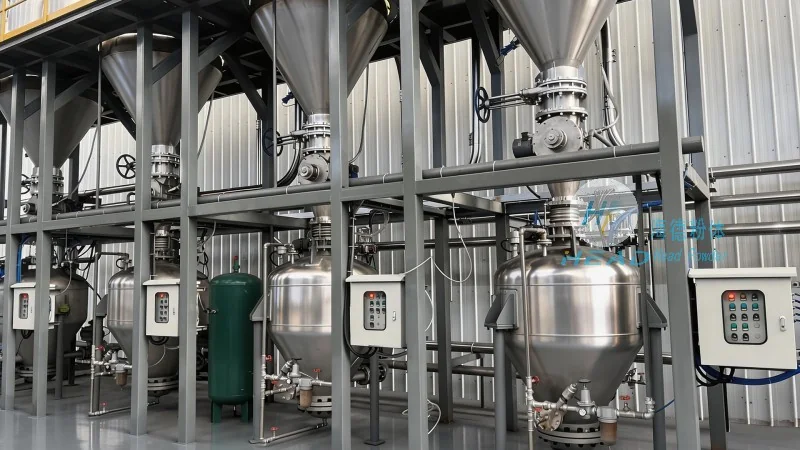
Design Principles for KOH Powder Pneumatic Conveying
The design of KOH powder pneumatic conveying equipment must consider several factors to ensure optimal performance and safety. First, the system must be constructed from materials that are resistant to corrosion and chemical attack, as KOH is a highly reactive alkaline substance. Stainless steel or specialized alloys are commonly used for the hopper, conveying line, and other components to prevent degradation over time. Second, the system must be designed to minimize dust generation and exposure, as KOH powder can be hazardous if inhaled or come into contact with skin. This involves incorporating dust collection systems and ensuring proper sealing of all connections to prevent leaks.
Third, the system's capacity and flow rate must be matched to the specific requirements of the application. The conveying velocity and pressure must be optimized to prevent particle segregation or caking, which can lead to blockages or uneven flow. For KOH powder, which can be hygroscopic (absorbing moisture from the air), the system may include drying or moisture control mechanisms to maintain the powder's properties. Additionally, the design must account for the potential for static electricity buildup, as fine powders can generate static charges that may cause sparks or attract dust. Proper grounding and anti-static measures are therefore essential in the system's design.
Operational Advantages of KOH Powder Pneumatic Conveying Equipment
Implementing a pneumatic conveying system for KOH powder offers several operational advantages over traditional methods like bucket elevators or belt conveyors. One of the primary benefits is the ability to handle fine powders without the need for mechanical contact, which reduces the risk of product contamination and degradation. The enclosed system also minimizes dust exposure, improving workplace safety and compliance with environmental regulations. Additionally, pneumatic conveying systems can transport KOH powder over longer distances with fewer transfer points, reducing the need for multiple equipment setups and improving overall efficiency.
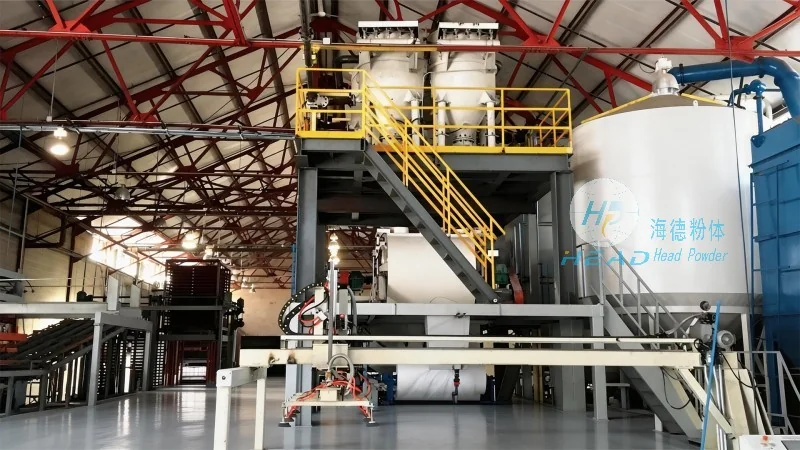
Another advantage is the flexibility of the system, which can be adapted to various production scales and layouts. The conveying line can be easily reconfigured or extended to accommodate changes in production volume or facility expansion. This adaptability makes KOH powder pneumatic conveying equipment a cost-effective and scalable solution for industries that require reliable and safe material handling.
Conclusion
Potassium hydroxide powder pneumatic conveying equipment is a sophisticated system designed to handle the unique challenges of transporting this hazardous alkaline powder. By incorporating corrosion-resistant materials, dust control measures, and optimized flow rates, the system ensures safe and efficient material transport while maintaining product quality. As a leading provider in this field, Shandong HeadPowder Engineering Co., Ltd. specializes in designing and manufacturing customized pneumatic conveying solutions tailored to the specific needs of industries dealing with KOH powder. With a focus on safety, efficiency, and durability, their equipment helps businesses in China and beyond achieve reliable material handling for their potassium hydroxide applications.