

Activated Carbon Powder Material Handling System Equipment: Exploring Its Design Principles
Activated carbon powder material handling systems are specialized equipment designed to transport and manage activated carbon powder efficiently. These systems are crucial in various industrial applications, including water treatment, air purification, and chemical processing, where the reliable and safe handling of fine powders is essential. The design of such systems focuses on ensuring minimal dust generation, preventing material loss, and maintaining consistent flow rates, which are critical for process efficiency and product quality.
Key Components of Activated Carbon Powder Material Handling Systems
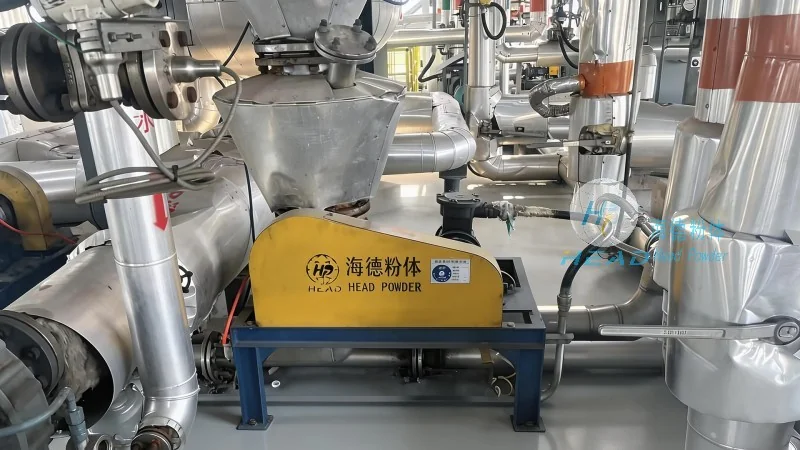
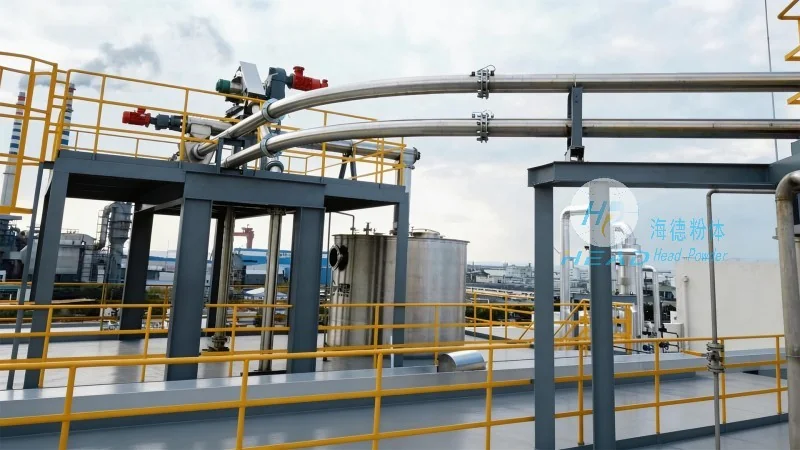
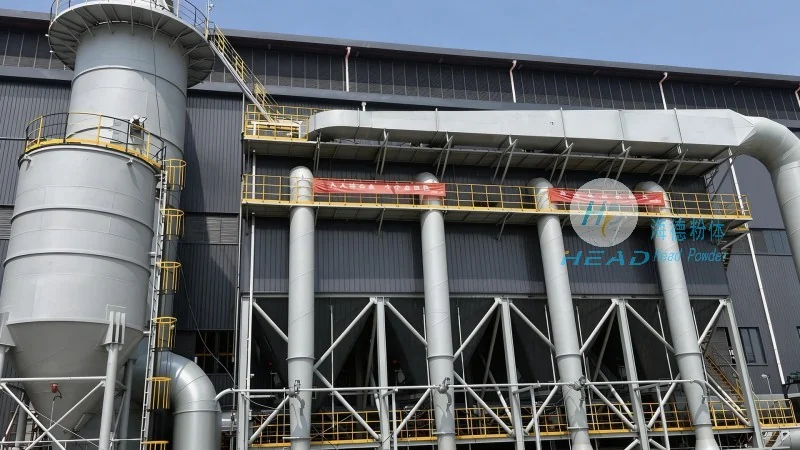
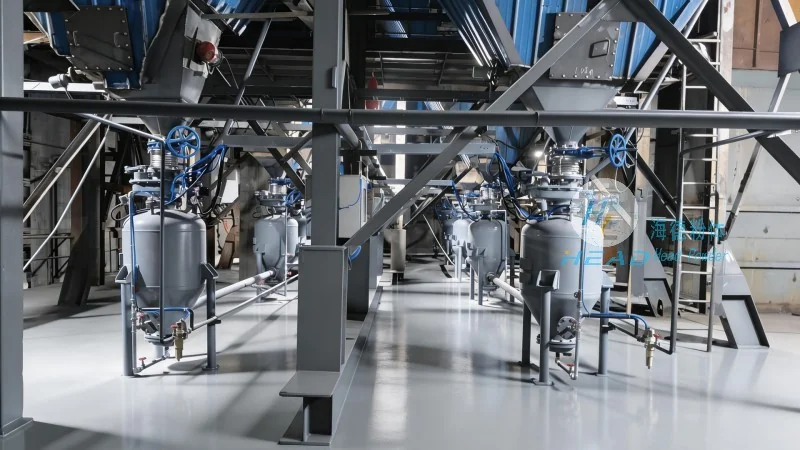
The core components of an activated carbon powder material handling system typically include feed hoppers, conveyors (such as screw conveyors or pneumatic systems), dust collection units, and control panels. Feed hoppers are used to store and feed the activated carbon powder into the system, while conveyors transport the material to the processing or storage areas. Pneumatic systems, which use air pressure to move the powder, are particularly effective for handling fine powders as they minimize particle breakage and reduce the risk of dust explosions. Dust collection units are integrated to capture any airborne particles, ensuring a clean and safe working environment. Control panels allow operators to monitor and adjust the system's performance, ensuring optimal operation under varying conditions.
Design Principles for Efficient Material Handling
The design principles of activated carbon powder material handling systems prioritize several key factors to ensure effective operation. First, the system must minimize the generation of dust and prevent material attrition, as fine particles can lead to equipment blockages and pose health risks. This is achieved through the use of smooth, non-abrasive surfaces and gentle handling mechanisms. Second, the system must maintain consistent flow rates to avoid overloading or underloading the processing equipment. This is typically managed through variable speed drives and flow sensors that adjust the conveyor speed based on the material feed rate. Third, the system must ensure proper sealing and containment to prevent material spillage and environmental contamination. Sealing mechanisms, such as airlocks and double doors, are used to isolate the system from the environment, while containment systems, like enclosed conveyors, prevent dust from escaping. Finally, the design must consider the material's properties, such as its density, moisture content, and flowability, to select the appropriate equipment and operating parameters. For example, highly cohesive powders may require additional agitators or vibration to maintain flow, while low-density powders may need larger hopper capacities to ensure consistent feeding.
Applications and Benefits of Activated Carbon Powder Handling Systems
Activated carbon powder material handling systems are widely used in industries where activated carbon is a key component. In water treatment facilities, these systems transport activated carbon to filters and adsorption units, ensuring efficient removal of contaminants like organic compounds and heavy metals. In air purification systems, the equipment moves activated carbon to activated carbon filters, which trap odors and volatile organic compounds (VOCs) from industrial emissions. In chemical processing plants, the systems handle activated carbon for use in adsorption processes, where it is used to separate and purify various chemicals. The benefits of using such systems include improved process efficiency, reduced material waste, enhanced safety through dust control, and lower maintenance costs due to the use of durable, low-friction components. Additionally, the systems contribute to environmental sustainability by minimizing the release of fine particles into the atmosphere and reducing the need for manual handling, which can be hazardous.
Conclusion
Activated carbon powder material handling systems are essential equipment for industries relying on activated carbon for their processes. The design principles, which prioritize dust control, consistent flow, and material containment, ensure that these systems operate efficiently and safely. By understanding the key components and design considerations, businesses can select and implement the most suitable material handling solutions for their specific needs. As the demand for activated carbon continues to grow in various applications, the importance of reliable and effective material handling systems will only increase, making them a critical investment for industrial operations.