

What is a Positive and Negative Electrode Material Handling Line? What are its Design Principles?
Understanding the positive and negative electrode material handling line is crucial for the efficient operation of lithium battery production facilities. This equipment is specifically designed to transport and manage the raw materials used in the manufacturing of battery electrodes, ensuring a smooth and controlled process from raw material input to electrode production. The design principles behind these systems are centered on optimizing material flow, maintaining product quality, and enhancing overall production efficiency.
Introduction to Positive and Negative Electrode Material Handling Lines
A positive and negative electrode material handling line, often referred to as a material conveying system, is a specialized industrial setup used in the battery manufacturing industry. It serves as the backbone of the electrode production process, responsible for the movement of various raw materials such as active materials, binders, conductive agents, and solvents. The system typically includes components like feeders, conveyors, mixers, and storage units, all integrated to work in tandem to produce high-quality electrode sheets. This line is essential for ensuring that the raw materials are processed in a consistent manner, which directly impacts the performance and longevity of the final battery products.
Key Components and Their Functions
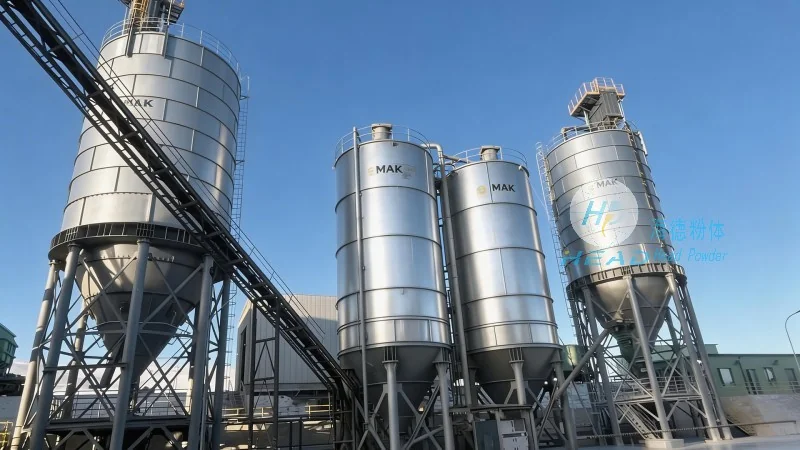
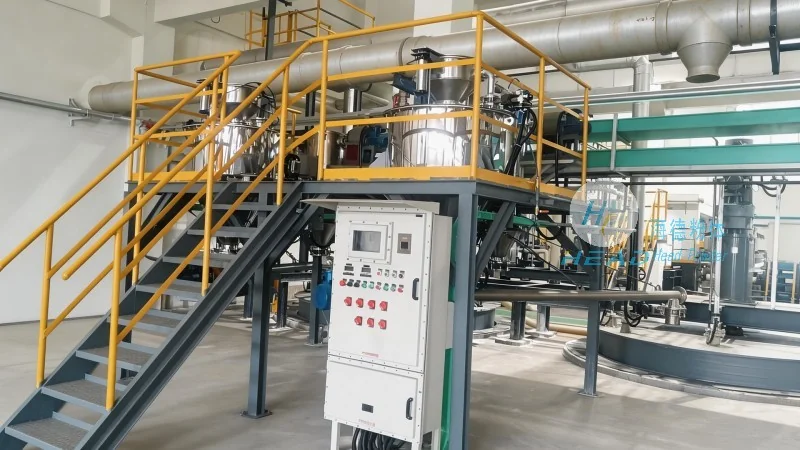
The positive and negative electrode material handling line comprises several critical components, each playing a vital role in the overall operation. The primary components include material feeders, which are responsible for accurately measuring and dispensing the required quantities of raw materials. These feeders are often equipped with advanced control systems to maintain precise material ratios, which is crucial for achieving uniform electrode properties. Conveyors, such as belt conveyors or screw conveyors, are used to transport the mixed materials from one processing stage to the next. These conveyors are designed to handle different material types and maintain a consistent flow rate to prevent material segregation or degradation. Additionally, mixers, such as high-shear mixers or planetary mixers, are integrated into the system to thoroughly blend the raw materials, ensuring that the binder and conductive agents are evenly distributed throughout the active material. Storage units, including silos or hoppers, are used to store the raw materials before they are fed into the processing line, providing a buffer to maintain a continuous material supply.
Design Principles for Optimal Performance
The design of a positive and negative electrode material handling line is based on several key principles aimed at maximizing efficiency and minimizing operational issues. One of the primary principles is the principle of material flow continuity, which ensures that materials move smoothly from one stage to the next without bottlenecks or delays. This is achieved through the integration of conveyor systems with appropriate speed controls and material sensors that monitor the flow rate and adjust as needed. Another critical principle is the principle of material homogeneity, which focuses on maintaining consistent material properties throughout the processing stages. This is achieved by using precise feeders and mixers that ensure uniform mixing and prevent material segregation. The design also emphasizes the principle of scalability, allowing the system to be adjusted to accommodate varying production volumes and material types. This flexibility is essential for adapting to changing production demands and ensuring that the system can be expanded or modified as needed. Furthermore, the design incorporates principles of safety and maintenance, including easy access to components for cleaning and maintenance, and the use of durable materials that can withstand the harsh conditions of the battery manufacturing environment.
Benefits of an Efficient Material Handling Line
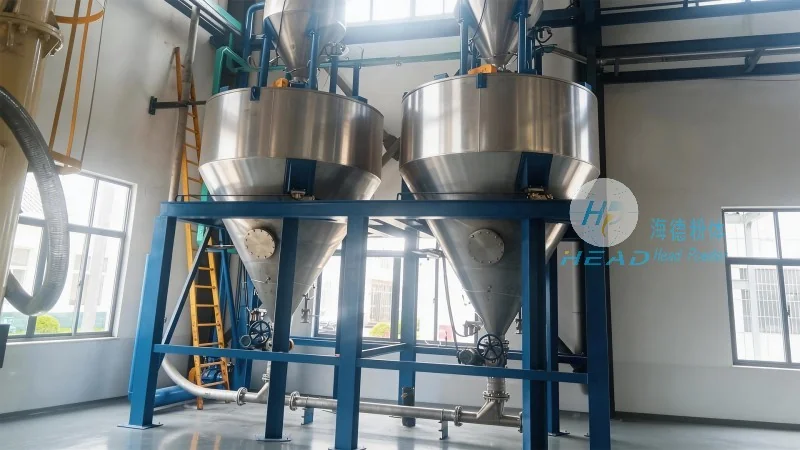
An efficiently designed positive and negative electrode material handling line offers numerous benefits for battery manufacturers. Firstly, it enhances production efficiency by ensuring a continuous and smooth flow of materials, reducing downtime and increasing output. The precise control of material ratios and consistent mixing results in uniform electrode quality, which directly translates to better battery performance and longer cycle life. Additionally, the system reduces material waste by minimizing segregation and over-processing, leading to cost savings. The modular design of the system allows for easy integration with other production equipment, such as coating lines and drying ovens, creating a seamless production workflow. Furthermore, the use of advanced control systems and sensors enables real-time monitoring and data collection, providing valuable insights into the production process and facilitating process optimization. This data-driven approach helps manufacturers identify and address potential issues before they become major problems, ensuring consistent product quality and reliability.
Conclusion
In conclusion, a positive and negative electrode material handling line is a critical component of lithium battery production facilities, designed to efficiently transport and manage the raw materials used in electrode manufacturing. The design principles behind these systems focus on optimizing material flow, maintaining product quality, and enhancing overall production efficiency. By integrating advanced components such as feeders, conveyors, mixers, and storage units, these lines ensure that raw materials are processed in a consistent and controlled manner, leading to high-quality electrode products. The benefits of an efficient material handling line include increased production efficiency, improved product quality, cost savings, and the ability to adapt to changing production demands. For battery manufacturers, investing in a well-designed material handling line is essential for maintaining competitiveness and meeting the growing demand for high-performance batteries. The expertise of companies like Shandong HeadPowder Engineering Co., Ltd., based in China, plays a vital role in providing tailored solutions that meet the specific needs of their clients, ensuring that the material handling lines are optimized for maximum performance and reliability.