Wheat bran material conveying lines are specialized systems engineered to handle and transport wheat bran, a byproduct of the milling process. These lines are crucial in the food processing and agricultural industries, ensuring efficient movement of this valuable material from one stage of production to another. Understanding the components and design principles behind such systems is essential for optimizing operational efficiency and maintaining product quality.
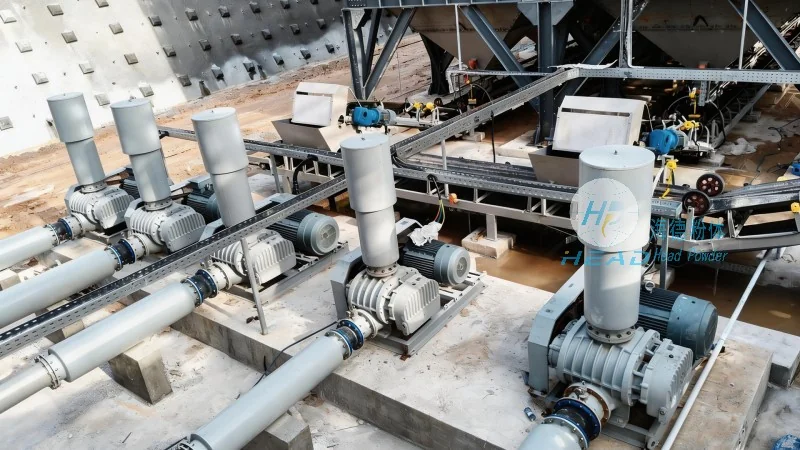
Components of a Wheat Bran Material Conveying Line
A typical wheat bran material conveying line consists of several key components that work in tandem to facilitate smooth material handling. The primary elements include feed hoppers, which collect and store the wheat bran before it is processed. These hoppers are designed with appropriate dimensions and material properties to prevent clogging and ensure consistent feeding. Next, the conveying equipment, such as belt conveyors or screw conveyors, is responsible for transporting the bran from the feed point to the discharge point. Belt conveyors are often preferred for their ability to handle bulk materials over long distances with minimal maintenance, while screw conveyors are ideal for vertical or inclined transport due to their self-feeding capabilities. Systems like these are commonly engineered by companies such as Shandong HeadPowder Engineering Co., Ltd., which specializes in custom material handling solutions for the food processing industry.
Another critical component is the material handling accessories, which include clamps, gates, and diverters. These accessories allow for the precise control of the bran flow, enabling operators to direct the material to different processing stages or storage areas. For example, a clamp mechanism can be used to regulate the flow rate, preventing overloading of downstream equipment. Additionally, the system may incorporate dust collection and filtration systems to maintain a clean and safe working environment. These systems are essential for controlling airborne particles, which can be a health hazard in environments where wheat bran is processed.
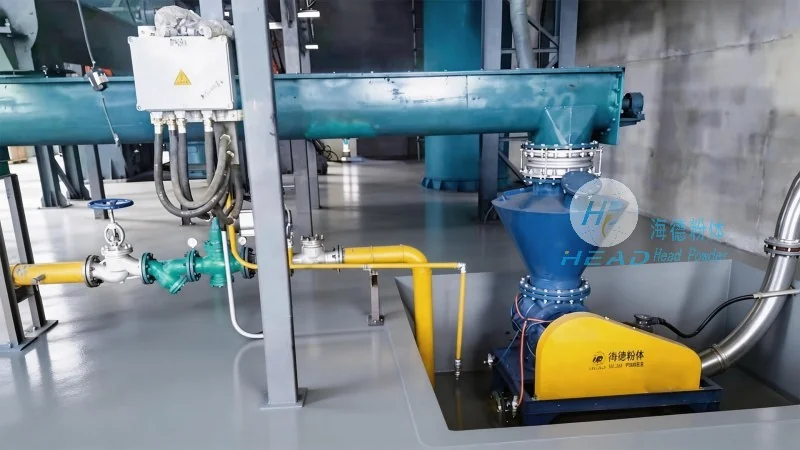
Design Principles for Wheat Bran Material Conveying Lines
The design of a wheat bran material conveying line is guided by several fundamental principles aimed at maximizing efficiency, durability, and safety. One of the primary principles is the consideration of material properties. Wheat bran is a lightweight, dry material with a tendency to create dust and potentially cause blockages if not handled correctly. Therefore, the design must account for its flow characteristics, ensuring that the conveying equipment is capable of handling the material without excessive friction or wear. The use of smooth surfaces and appropriate angles in the conveyor components helps to minimize material degradation and prevent clogging.
Another key design principle is the integration of safety features. Given that wheat bran can be a respiratory irritant and may pose a fire risk in certain conditions, the conveying line must incorporate safety measures such as explosion-proof components and dust suppression systems. The design also emphasizes the need for easy access to maintenance points, allowing for regular inspections and repairs to ensure the system operates reliably over time. This includes features like removable panels and accessible drive mechanisms.
Efficiency and energy conservation are also critical design considerations. The conveying line should be designed to minimize energy consumption while maintaining the required throughput. This involves selecting the appropriate conveyor type and size based on the volume of material to be handled and the distance it needs to travel. For instance, a belt conveyor with a variable speed drive can adjust its speed to match the production rate, reducing energy waste during periods of low demand. Additionally, the use of efficient motor drives and proper alignment of components helps to reduce operational costs and extend the lifespan of the equipment.
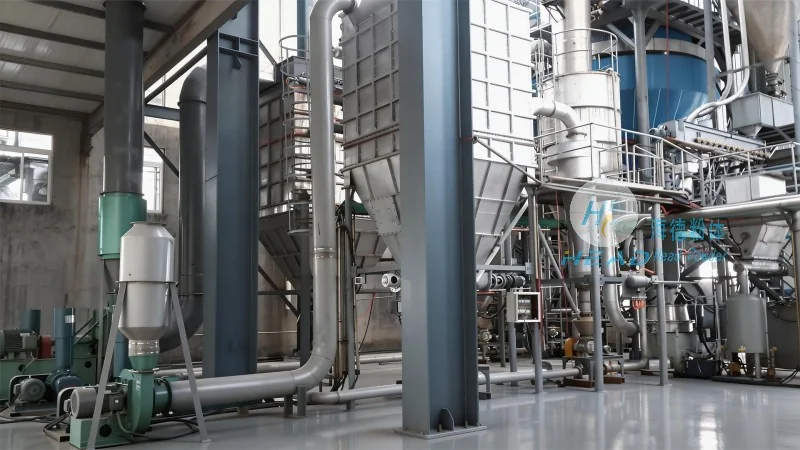
Applications and Benefits of Wheat Bran Material Conveying Lines
Wheat bran material conveying lines find wide applications in various industries, primarily in the food processing sector. In flour mills, these systems are used to transport wheat bran from the bran separation stage to storage silos or further processing units. The efficiency of the conveying line directly impacts the overall productivity of the mill, as it ensures a steady supply of bran for downstream operations such as animal feed production or biofuel processing.
The benefits of implementing a well-designed wheat bran material conveying line extend beyond operational efficiency. By streamlining the material handling process, these systems reduce labor costs and minimize the risk of accidents caused by manual handling of bulk materials. The consistent flow of wheat bran also helps to maintain product quality, as it prevents the material from being exposed to environmental factors that could lead to spoilage or contamination. Furthermore, the integration of dust control measures improves workplace safety and compliance with regulatory standards, reducing the risk of fines or operational disruptions.
Customization and Maintenance Considerations
Given the diverse requirements of different industrial applications, wheat bran material conveying lines are often customized to meet specific needs. The design may vary based on the volume of material, the distance to be covered, and the desired level of automation. For example, a small-scale operation might use a simple screw conveyor, while a large-scale mill may require a combination of belt conveyors and vertical lift systems. Customization also includes the selection of appropriate materials for the components, such as stainless steel for parts that come into contact with the bran to prevent corrosion and contamination.
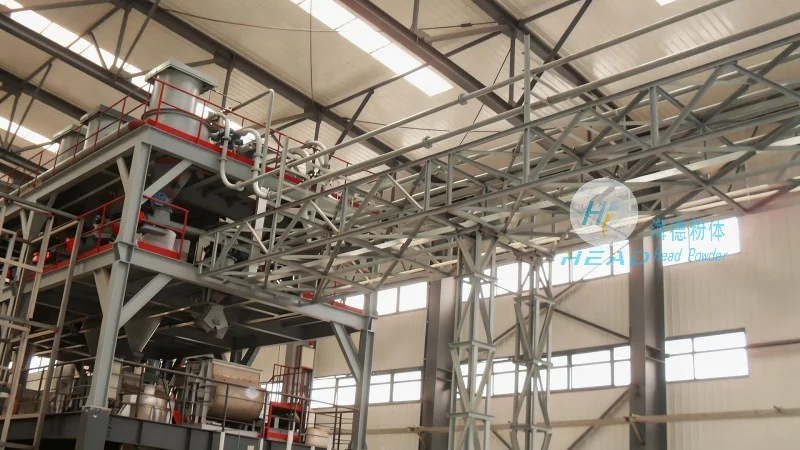
Maintenance is another critical aspect of ensuring the longevity and reliability of a wheat bran material conveying line. Regular maintenance procedures, including cleaning, lubrication, and inspection of moving parts, are essential to prevent breakdowns and extend the equipment's service life. The design of the system should facilitate easy access to these components, making maintenance tasks more manageable. Additionally, the use of durable materials and high-quality components reduces the frequency of repairs and replacements, contributing to lower long-term operational costs.
Conclusion
In conclusion, wheat bran material conveying lines are sophisticated systems that play a vital role in the efficient processing of wheat bran. The design principles, components, and applications of these lines are tailored to meet the specific needs of the food and agricultural industries. By understanding the key elements and considerations involved in their design and operation, businesses can optimize their material handling processes, enhance productivity, and ensure compliance with safety and quality standards. The integration of advanced features and maintenance strategies further enhances the performance and longevity of these systems, making them an essential investment for any operation dealing with wheat bran.




