

What is Positive Pressure Material Handling Equipment? And What Are Its Design Principles?
Positive pressure material handling equipment is a specialized system engineered to transport bulk materials through a sealed pipeline by utilizing pressurized air or gas. This approach ensures the material remains contained within the system, preventing contamination and leakage. The fundamental concept revolves around maintaining a positive pressure environment, which is critical for handling sensitive or hazardous materials. The design principles center on creating an airtight system where the internal pressure exceeds the external ambient pressure, thereby controlling the flow and preventing backflow.
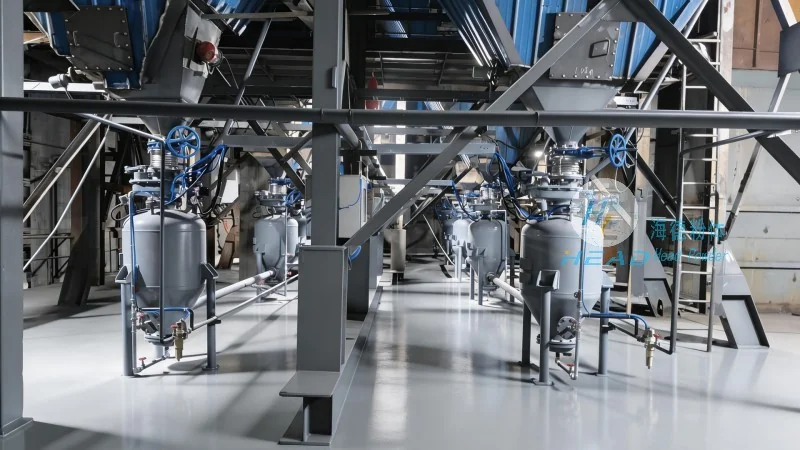
Key Features and Working Principle
The primary function of positive pressure material handling equipment is to move powders, granules, and other bulk solids from one location to another. Unlike negative pressure systems that rely on suction, positive pressure systems use forced air to push the material through the pipeline. This method offers several advantages, including higher material flow rates, reduced risk of dust exposure, and better control over the material's trajectory. The equipment typically comprises a blower or compressor, a hopper for material storage, a conveyor system, and a network of ducts or pipes that form the transport pathway. The blower generates the necessary pressure, while the hopper feeds the material into the system. As the material enters the ducts, it is carried by the moving air, moving from the inlet to the outlet. The design ensures the entire system operates under positive pressure, which helps maintain material integrity and prevents contamination from external sources.
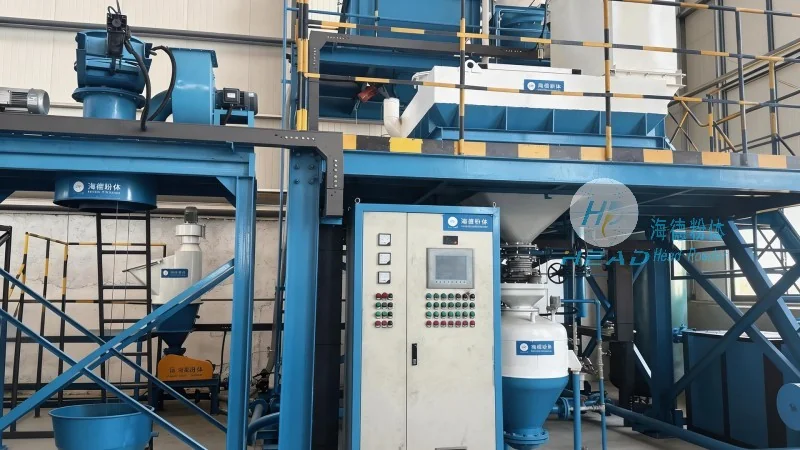
Design Principles and Technical Specifications
The design of positive pressure material handling equipment follows strict engineering principles to ensure efficiency and safety. Key design considerations include the selection of appropriate materials for the construction of hoppers, ducts, and blower components. These materials must be resistant to corrosion, wear, and chemical exposure, especially when handling aggressive or abrasive materials. The system's pressure rating is a critical parameter, as it determines the maximum pressure the equipment can sustain without failure. Typically, positive pressure systems operate at pressures ranging from 0.5 to 2 bar, depending on the material's characteristics and the distance to be transported. The duct diameter and length are also carefully calculated to minimize pressure drop and energy consumption. For instance, larger ducts reduce friction losses, while shorter lengths maintain higher material velocity. Additionally, the system incorporates pressure relief valves and filters to protect against overpressure and to ensure clean air quality. The blower's capacity is matched to the system's requirements, ensuring sufficient air is available to transport the material at the desired flow rate. The design also considers the need for easy maintenance, with accessible components and clear operational indicators.
Application Scenarios and Benefits
Positive pressure material handling equipment is widely used across various industries, including pharmaceuticals, food processing, chemical manufacturing, and mining. In the pharmaceutical industry, it is essential for transporting sterile powders and preventing cross-contamination. The sealed system ensures materials remain in a controlled environment, meeting stringent regulatory requirements. In food processing, the equipment is used to handle dry ingredients like flour, sugar, and spices, maintaining product quality and preventing contamination from external sources. The chemical industry relies on positive pressure systems to transport hazardous powders and chemicals safely, reducing worker exposure risk. Mining operations use these systems to transport bulk materials from mines to processing facilities, improving efficiency and safety. The benefits of using positive pressure material handling equipment include enhanced material handling efficiency, reduced labor costs, improved safety, and better product quality. The sealed system minimizes dust emissions, benefiting both the environment and worker health. Additionally, the system's ability to handle a wide range of materials makes it versatile and adaptable to different industrial needs.
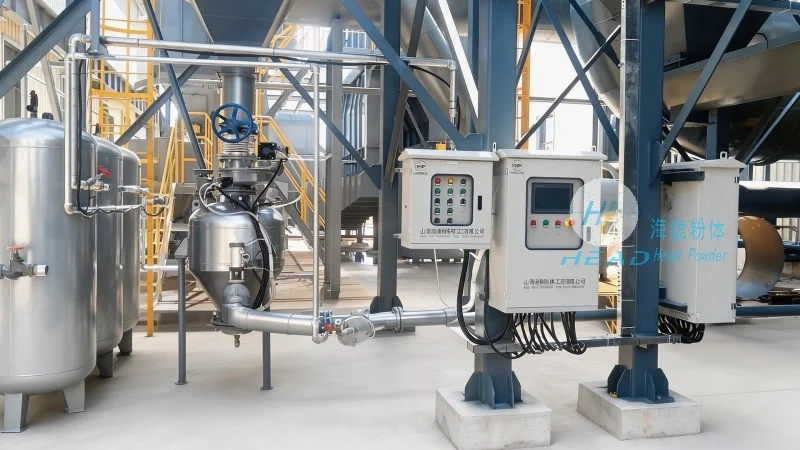
Company Information and Contact Details
Shandong HeadPowder Engineering Co., Ltd., a leading manufacturer of positive pressure material handling equipment, specializes in providing customized solutions for bulk material transport. The company, known as headpowder, is headquartered in Shandong, China. With years of experience in the industry, HeadPowder has developed a range of high-quality equipment designed to meet diverse client needs. The company's products are recognized for their durability, efficiency, and compliance with international standards. HeadPowder's team of engineers and technicians work closely with clients to understand specific requirements and provide tailored solutions. The company offers comprehensive after-sales support, including maintenance, repair, and technical assistance. For inquiries or more information about their positive pressure material handling equipment, please contact the company at their address in Shandong, China.