

What is a Glass Raw Material Powder Conveying System Equipment? And What Are Its Design Principles?
Understanding the glass raw material powder conveying system equipment is crucial for optimizing the production process in the glass manufacturing industry. This equipment is designed to efficiently transport and handle fine powders, which are essential components in glass production. The system combines advanced engineering principles with practical applications to ensure reliable and consistent material handling. In this article, we will explore the core components, operational mechanisms, and design principles that underpin such systems, with a focus on the expertise of Shandong HeadPowder Engineering Co., Ltd., a leading provider in this field.
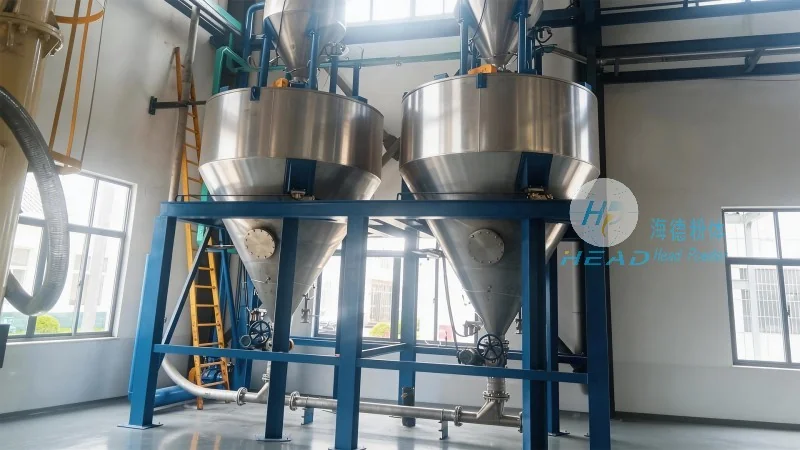
Key Components of the Powder Conveying System
The glass raw material powder conveying system typically consists of several critical components that work in tandem to achieve efficient material transport. These components include hoppers for material storage, feeders to control the flow rate, conveyor lines (such as pneumatic or mechanical systems), and control panels for monitoring and adjustment. Each component is carefully selected and integrated to meet the specific requirements of the glass production line. For instance, the hoppers are designed with appropriate dimensions and material properties to prevent material degradation or caking, which could affect the quality of the final glass product. The feeders, often equipped with variable speed drives, allow for precise control over the powder flow, ensuring that the downstream processes receive a consistent feed rate. The conveyor lines, whether pneumatic (using air pressure to move particles) or mechanical (using belts or screws), are chosen based on factors like material characteristics, required transport distance, and environmental considerations. The control panels provide operators with real-time data on system performance, enabling quick adjustments to maintain optimal operation.
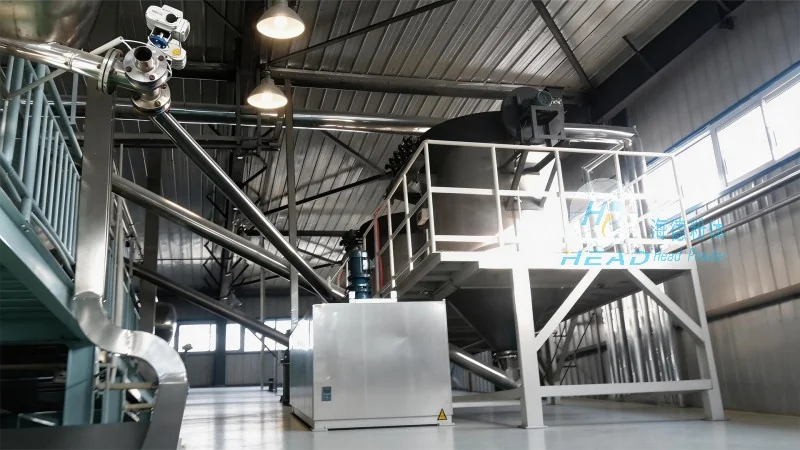
Design Principles for Efficient Material Handling
The design of a glass raw material powder conveying system is guided by several key principles aimed at maximizing efficiency, reliability, and safety. One of the primary principles is the minimization of material degradation during transport. This is achieved through careful selection of equipment materials, such as stainless steel or corrosion-resistant alloys, which prevent contamination and maintain the integrity of the raw materials. Additionally, the system is designed to minimize dust generation and ensure proper ventilation, as fine powders can pose health and safety risks if not handled correctly. Another critical principle is the optimization of energy consumption. By selecting energy-efficient components, such as high-efficiency motors and variable frequency drives, the system reduces operational costs while maintaining performance. The design also considers the scalability of the system, allowing for future expansion or integration with other production equipment. This flexibility is essential for adapting to changing production demands and technological advancements. Furthermore, the system is engineered for easy maintenance and cleaning, with components that can be easily accessed and serviced. This reduces downtime and ensures long-term reliability, which is vital for continuous production in the glass industry.
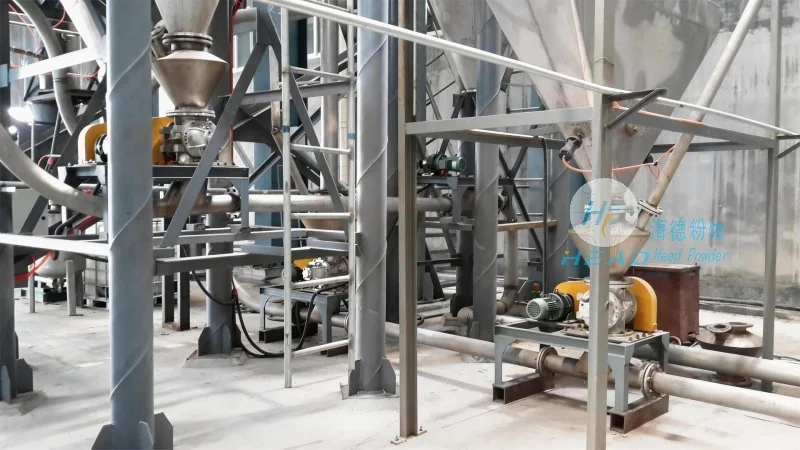
Operational Mechanisms and Process Flow
The operational mechanism of a glass raw material powder conveying system involves a sequential process that ensures smooth material transfer from the storage hopper to the glass melting furnace. The process begins with the raw materials being loaded into the storage hopper. From there, the feeder controls the flow rate, feeding the powder into the conveyor line. The conveyor line then transports the powder to the processing point, where it is either directly fed into the furnace or stored in intermediate containers. The control panel monitors the entire process, providing feedback on flow rates, pressure, and other critical parameters. If any deviations are detected, the system automatically adjusts to maintain optimal conditions. For example, if the flow rate drops below the set point, the feeder increases its speed to compensate. Similarly, if the pressure in the conveyor line rises, the system may adjust the air flow or motor speed to prevent overloading. This closed-loop control system ensures that the material handling process is highly reliable and consistent, minimizing the risk of interruptions or quality issues.
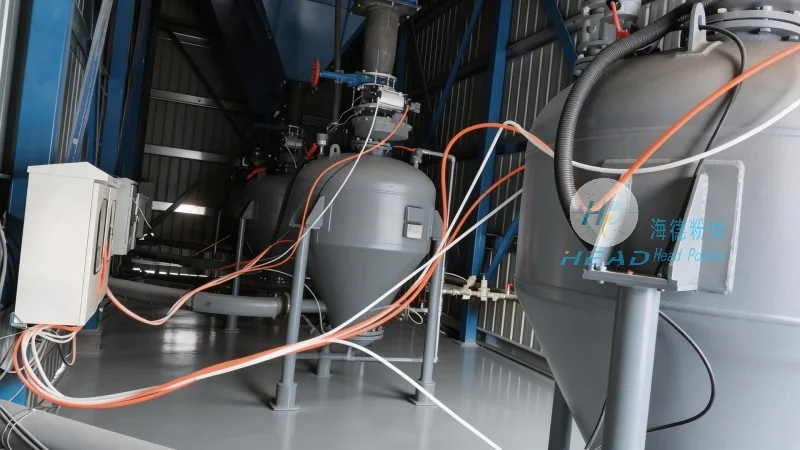
Benefits of Using a Professional System Provider
When investing in a glass raw material powder conveying system, partnering with a reputable provider like Shandong HeadPowder Engineering Co., Ltd. offers significant advantages. The company specializes in designing and manufacturing customized systems tailored to the specific needs of glass manufacturers. Their expertise in material science and process engineering ensures that the system is optimized for the unique characteristics of glass raw materials, such as particle size, moisture content, and chemical composition. By working with a professional provider, clients can benefit from comprehensive support, including design consultation, installation, and after-sales service. This ensures that the system is installed correctly and operates efficiently from day one. Additionally, the company adheres to international standards and quality certifications, providing assurance of the system's reliability and performance. The use of advanced technology and rigorous testing processes further enhances the system's performance and longevity. For glass manufacturers, this means reduced downtime, improved product quality, and lower operational costs, all of which contribute to increased profitability and competitiveness in the market.