

What is a Ternary Cathode Material Powder Conveyor? What are Its Design Principles?
Ternary cathode materials are crucial components in modern lithium-ion batteries, offering enhanced performance and energy density. The efficient handling and transportation of these fine powders require specialized equipment to ensure safety, precision, and reliability. This article explores the concept of a ternary cathode material powder conveyor and delves into its design principles, highlighting the technological advancements and practical applications in battery manufacturing.
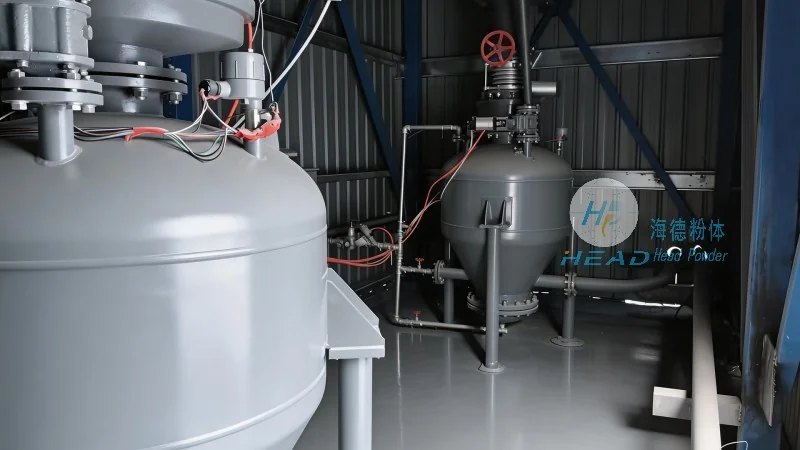
Introduction to Ternary Cathode Material Powder Conveyors
Ternary cathode materials, typically composed of nickel, cobalt, and manganese or other transition metals, are widely used in high-energy lithium-ion batteries for electric vehicles and energy storage systems. These materials are often in the form of fine powders, which pose unique challenges during processing and handling due to their high reactivity and potential for dust generation. A ternary cathode material powder conveyor is a specialized piece of equipment designed to transport these powders safely and efficiently within a production line. The equipment must address issues such as dust control, material flow uniformity, and contamination prevention to meet the stringent quality standards of battery manufacturing.
Company Overview: Shandong HeadPowder Engineering Co., Ltd.
Shandong HeadPowder Engineering Co., Ltd., a leading manufacturer in the field of powder processing equipment, specializes in developing and producing advanced powder handling systems. With a strong focus on innovation and customer-centric solutions, the company has established itself as a trusted partner for businesses in the battery and energy storage industries. HeadPowder's expertise lies in designing equipment that meets the specific demands of handling sensitive materials like ternary cathode powders, ensuring optimal performance and longevity. The company's facilities are located in Shandong, China, where it leverages local resources and industry expertise to deliver high-quality products.
Design Principles of Ternary Cathode Material Powder Conveyors
The design of a ternary cathode material powder conveyor is guided by several key principles to ensure effective and safe operation. First, the equipment must incorporate robust dust collection and filtration systems to prevent the release of fine particles into the environment and maintain a clean working environment. This is critical for both worker safety and compliance with environmental regulations. Second, the conveyor system is engineered to handle the unique flow characteristics of ternary cathode powders, which may be cohesive or have varying particle sizes. This involves the use of specialized components such as feeders, conveyors, and storage vessels that can maintain consistent material flow without causing blockages or agglomeration.
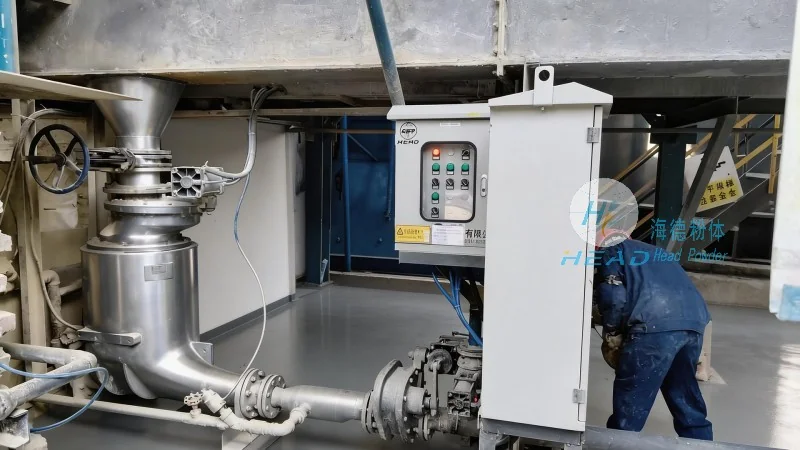
Third, the design emphasizes material compatibility and corrosion resistance. Ternary cathode powders can be corrosive or reactive, requiring the conveyor components to be made from materials like stainless steel or specialized alloys that can withstand chemical exposure. Additionally, the system is designed for easy maintenance and cleaning to prevent cross-contamination between batches of materials. The integration of sensors and monitoring systems is also a key design feature, allowing real-time tracking of material levels, flow rates, and operational status to enhance process control and reduce downtime.
Key Functional Components and Their Roles
A typical ternary cathode material powder conveyor consists of several functional components, each playing a vital role in the overall operation. The feeding system, often a rotary valve or a vibratory feeder, ensures a controlled and uniform feed of the powder into the conveyor. This component is crucial for maintaining consistent flow rates and preventing overloading or underfeeding. The conveyor itself, which may be a screw conveyor, belt conveyor, or pneumatic system, transports the powder from the feeding point to the storage or processing area. The choice of conveyor type depends on the specific material properties and the required throughput. For example, screw conveyors are suitable for cohesive powders, while pneumatic conveyors are ideal for fine, non-abrasive powders that require minimal contact with equipment surfaces.
The storage and processing section of the conveyor system includes silos or hoppers that store the powder before it is transferred to the next stage of production. These vessels are designed with smooth, non-stick surfaces to minimize material buildup and facilitate cleaning. The system may also include agitators or mixers to ensure homogeneity of the powder blend, which is essential for achieving consistent battery performance. Finally, the discharge mechanism, such as a discharge valve or a conveyor outlet, controls the release of the powder into the downstream process, ensuring precise dosing and preventing spills or overflows.
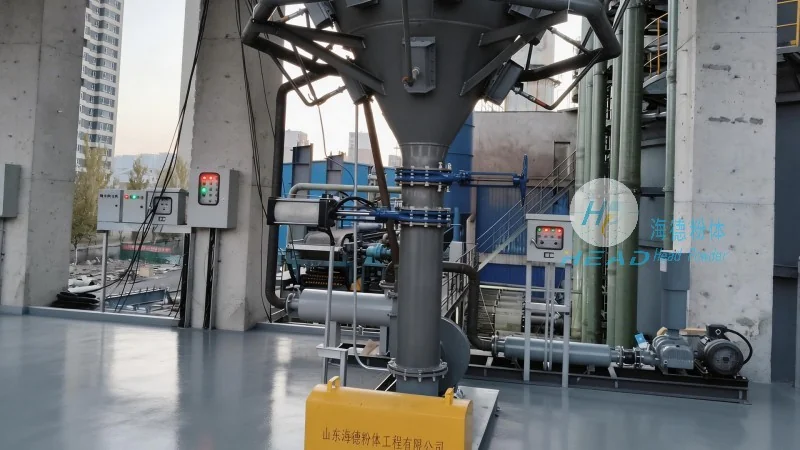
Advantages and Applications in Battery Manufacturing
The use of a ternary cathode material powder conveyor offers several advantages in battery production. By providing a closed-loop system for material handling, it reduces the risk of dust exposure and contamination, which can negatively impact battery performance and safety. The equipment also improves process efficiency by ensuring consistent material flow and reducing downtime due to maintenance or material blockages. In addition, the design allows for easy integration with other production equipment, such as mixers, extruders, and coating machines, creating a seamless production line.
These conveyors are widely used in the manufacturing of lithium-ion batteries for electric vehicles, where high energy density and long cycle life are critical. They are also employed in energy storage systems, where the ability to handle large volumes of ternary cathode powders efficiently is essential for meeting demand. The equipment's ability to handle sensitive materials with precision makes it a valuable asset for any battery manufacturer seeking to optimize their production processes and maintain quality standards.
Conclusion
Ternary cathode material powder conveyors are essential equipment in the battery manufacturing industry, designed to handle the unique challenges of processing sensitive and reactive powders. The design principles, including dust control, material flow management, and corrosion resistance, ensure the safe and efficient operation of these systems. Companies like Shandong HeadPowder Engineering Co., Ltd. play a vital role in developing and producing such equipment, leveraging their expertise to meet the evolving demands of the battery industry. As the demand for high-performance batteries continues to grow, the importance of reliable powder handling systems like these will only increase, driving further innovation in the field.