

What Are Gypsum Powder and Dust Material Conveying Equipment? And What Are Their Design Principles?
Gypsum powder and dust material conveying equipment are essential in industrial processes where the handling of fine, dry materials like gypsum is required. These systems are designed to efficiently transport materials from one location to another, ensuring minimal loss and maintaining the integrity of the material. The design principles behind such equipment are crucial for optimizing performance, durability, and safety in various applications.
Types of Gypsum Powder and Dust Conveying Equipment
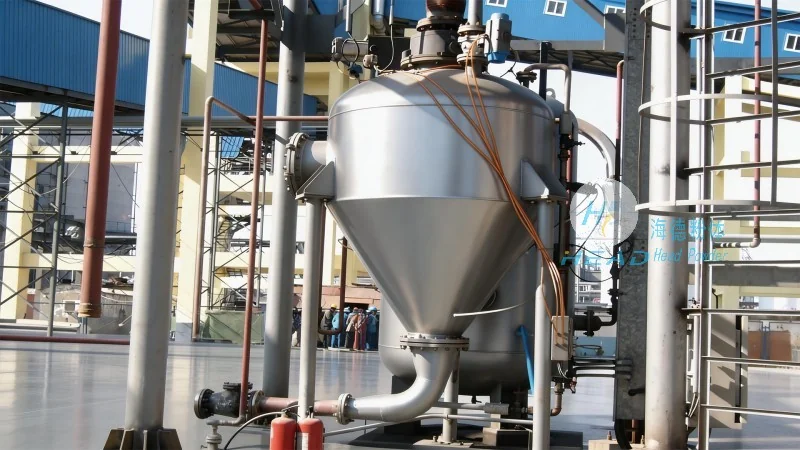
There are several types of equipment used for conveying gypsum powder and dust, each with its own advantages and applications. One common type is the screw conveyor, which uses a rotating screw to move material along a trough. This type of equipment is ideal for handling bulk materials and is often used in processing plants where the material needs to be moved horizontally or at a slight incline. Another type is the pneumatic conveyor, which uses air pressure to transport material through a pipeline. This method is particularly effective for fine powders and dust, as it minimizes material degradation and provides a clean, dust-free transfer. Additionally, bucket elevators are used for vertical transport, where the material is lifted from a lower to a higher level. These systems are often combined with other equipment to form a complete material handling solution.
Design Principles for Gypsum Powder and Dust Conveying Equipment
The design of gypsum powder and dust conveying equipment involves several key principles to ensure optimal performance. First, the material's properties must be considered, such as its particle size, moisture content, and flowability. These factors influence the choice of equipment and its components, like the screw pitch or the diameter of the air nozzle. Second, the system's capacity and throughput are critical, as they determine the speed and efficiency of material transport. Engineers must calculate the required power and motor size to handle the expected load, ensuring the equipment operates within its design limits. Third, the design must prioritize safety and environmental considerations. This includes features like dust collection systems, explosion-proof components, and proper sealing to prevent material leakage and air contamination. The equipment must also be constructed from materials that are resistant to corrosion and wear, as gypsum and dust can be abrasive and corrosive over time. For example, stainless steel or special alloys may be used for parts that come into direct contact with the material to extend the equipment's lifespan.
Key Components and Their Function in Gypsum Conveying Systems
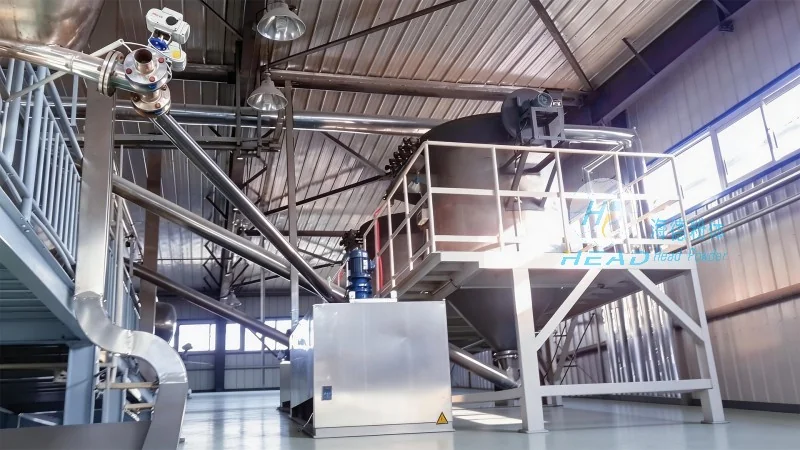
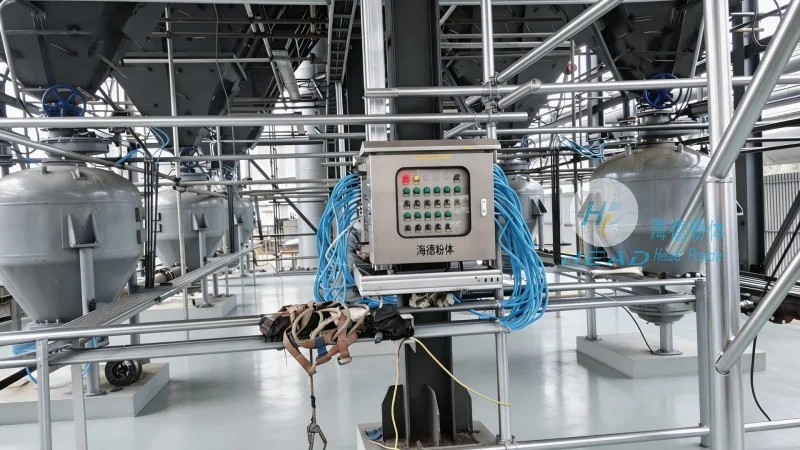
Several key components work together to ensure the smooth operation of gypsum powder and dust conveying equipment. The feed hopper is the first component, where the material is introduced into the system. It is designed to provide a consistent flow of material to the conveyor, preventing blockages and ensuring uniform transport. The conveyor itself, whether it's a screw, pneumatic, or bucket elevator, is the core of the system. It transfers the material from the feed hopper to the discharge point. The discharge mechanism, such as a rotary valve or a gate, controls the release of material from the conveyor, allowing for precise control over the output rate. In pneumatic systems, the air compressor and filter system are essential, as they provide the necessary pressure and clean air to transport the material. The filter system is particularly important to remove any particles from the air, preventing contamination and ensuring the system operates efficiently. Additionally, the control system, which includes sensors and a control panel, monitors the equipment's performance and adjusts parameters as needed. This ensures the system operates at peak efficiency and alerts operators to any issues that may arise.
Applications and Industries Using Gypsum Powder and Dust Conveying Equipment
Gypsum powder and dust conveying equipment is widely used in various industries that require the handling of fine, dry materials. One major application is in the construction industry, where gypsum is used to produce drywall and other building materials. The equipment is used to transport gypsum from storage silos to processing plants or directly to construction sites. Another industry is the pharmaceutical and chemical sectors, where gypsum is used as a filler or binder in various products. The equipment ensures that the material is handled safely and efficiently, minimizing contamination and maintaining product quality. Additionally, in the mining and mineral processing industry, gypsum is often extracted and processed, and conveying equipment is used to move the material from the mine to the processing plant. The design of these systems must be tailored to the specific requirements of each industry, ensuring that the equipment meets the standards and regulations of the sector.
Advantages of Using Gypsum Powder and Dust Conveying Equipment
There are several advantages to using specialized equipment for gypsum powder and dust handling. First, the equipment is highly efficient, as it can transport large quantities of material with minimal energy consumption. This reduces operational costs and increases productivity. Second, the equipment is designed to handle fine materials without causing degradation or segregation. This ensures that the material maintains its quality and properties throughout the transport process. Third, the equipment is safe and reliable, with features that prevent accidents and ensure the well-being of operators. The use of dust collection systems and explosion-proof components reduces the risk of dust explosions and other hazards. Fourth, the equipment is easy to maintain and repair, with modular components that can be replaced quickly. This reduces downtime and increases the overall lifespan of the system. Finally, the equipment is customizable, allowing manufacturers to tailor the system to the specific needs of their clients. This ensures that the equipment meets the exact requirements of the application, providing optimal performance and efficiency.
Conclusion and Company Information
Gypsum powder and dust material conveying equipment are critical components in industrial processes that require the efficient handling of fine, dry materials. The design principles behind these systems are essential for optimizing performance, durability, and safety. By considering the material's properties, system capacity, and safety requirements, engineers can design equipment that meets the specific needs of various industries. The equipment is used in a wide range of applications, from construction to pharmaceuticals, and provides several advantages, including efficiency, safety, and customization. Shandong HeadPowder Engineering Co., Ltd., a company based in China, specializes in the design and manufacturing of such equipment. With a focus on quality and innovation, the company provides tailored solutions to meet the diverse needs of its clients. The company's equipment is designed to handle gypsum powder and dust effectively, ensuring minimal loss and maintaining the integrity of the material. By using advanced technology and materials, the company ensures that its equipment is durable, reliable, and efficient. Shandong HeadPowder Engineering Co., Ltd. is committed to providing high-quality equipment that meets the standards and regulations of the industry, helping clients achieve their production goals while maintaining safety and environmental compliance.