

What is a Feed Powder Conveyor? What are its Design Principles?
Feed powder conveyors are essential equipment in the agricultural and animal feed processing industries. These systems are designed to efficiently transport bulk feed powders from storage silos or processing units to feeding stations or packaging lines. The primary goal of such equipment is to ensure a continuous, reliable, and hygienic flow of feed materials, which is critical for maintaining the health and productivity of livestock. The design of feed powder conveyors is tailored to handle various types of feed ingredients, including grains, pellets, and other powdered or granular materials, while minimizing material degradation and contamination.
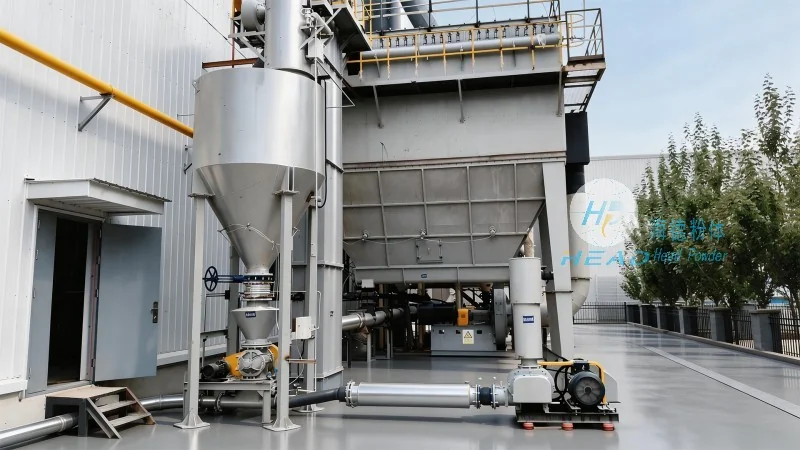
Key Components and Design Principles of Feed Powder Conveyors
The design of a feed powder conveyor typically involves several key components that work in concert to achieve efficient material handling. The main components include a feeding hopper, a conveying mechanism (such as a screw or pneumatic system), a drive unit, and a control system. The feeding hopper is responsible for receiving the feed material and regulating the flow rate into the conveyor. This component is often equipped with a gate or valve to control the amount of material entering the system, preventing overloading or underflow. The conveying mechanism is the core of the system, responsible for moving the feed powder through the pipeline. For screw conveyors, a rotating screw (auger) is used to push the material forward, while pneumatic conveyors use air pressure to transport the material via a pipeline. The drive unit provides the necessary power to operate the conveying mechanism, and the control system manages the operation of the entire system, including speed, flow rate, and safety features.
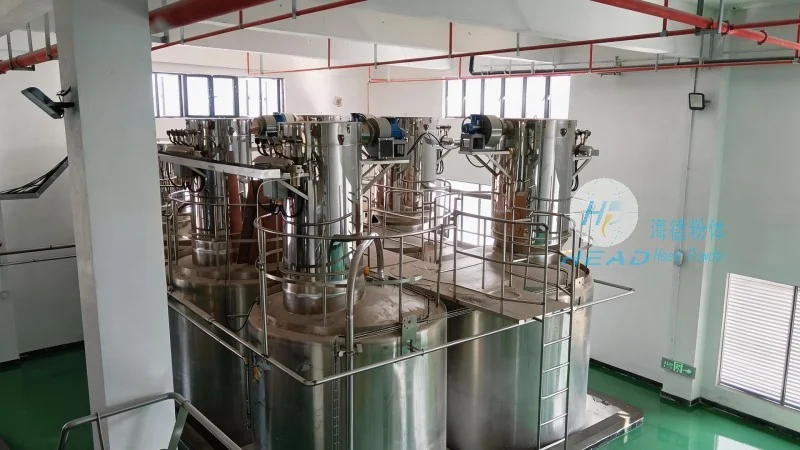
How Feed Powder Conveyors Work: A Detailed Explanation
The operation of a feed powder conveyor begins with the feed material being loaded into the feeding hopper. The material then flows into the conveying mechanism, which moves it along the pipeline to the discharge point. In screw conveyors, the rotating screw rotates, pushing the material forward due to friction between the screw and the material. The speed of the screw and the pitch of the screw blades determine the capacity and efficiency of the conveyor. In pneumatic conveyors, air is blown through the pipeline, creating a pressure difference that propels the feed powder. The air velocity and the size of the pipeline are critical factors in determining the conveying capacity. The discharge point is where the feed material is released, typically into a storage bin, a feeding system, or a packaging machine. The control system monitors the flow rate and pressure within the system, ensuring that the conveyor operates within safe and efficient parameters.
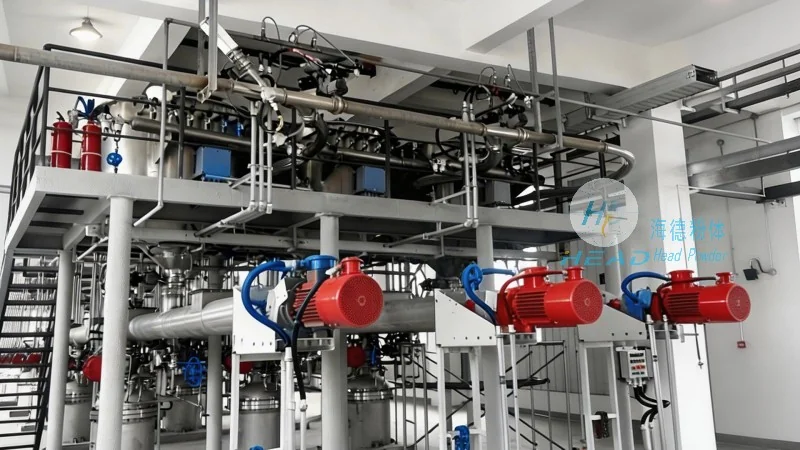
Advantages of Using Feed Powder Conveyors in Feed Processing
Feed powder conveyors offer several advantages over traditional manual or mechanical handling methods. First, they provide a continuous and automated flow of feed materials, reducing labor costs and improving operational efficiency. Second, they minimize material degradation, as the conveying process is gentle and avoids excessive friction or impact. This is particularly important for sensitive feed ingredients, such as vitamins, minerals, and other additives, which can be easily damaged during handling. Third, feed powder conveyors enhance hygiene and sanitation, as the system is enclosed and can be easily cleaned and maintained. This reduces the risk of contamination and ensures that the feed material remains clean and safe for livestock consumption. Fourth, these systems are highly customizable, allowing manufacturers to adjust the design and capacity to meet specific production requirements. This flexibility makes feed powder conveyors suitable for a wide range of feed processing applications, from small-scale farms to large industrial feed mills.
Applications of Feed Powder Conveyors in the Animal Feed Industry
Feed powder conveyors are widely used in various applications within the animal feed industry. In feed mills, these systems are used to transport raw materials from storage silos to processing units, such as mixers and pelletizers. They are also used to move finished feed products from the packaging line to storage or distribution centers. In livestock farms, feed powder conveyors are used to deliver feed to feeding stations, ensuring that animals receive a consistent and uniform diet. Additionally, feed powder conveyors are used in research and development facilities to transport experimental feed formulations and test materials. The versatility of these systems makes them an essential part of modern feed processing operations, supporting the efficient production and distribution of high-quality animal feed.
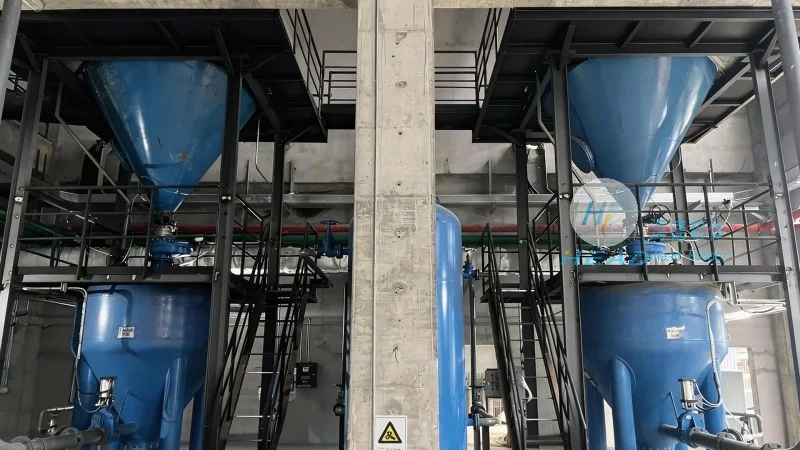
Conclusion: The Importance of Reliable Feed Powder Conveyors
In conclusion, feed powder conveyors are critical equipment for the efficient and reliable handling of feed materials in the animal feed industry. Their design, which incorporates key components such as feeding hoppers, conveying mechanisms, drive units, and control systems, ensures that feed powders are transported safely, hygienically, and efficiently. The advantages of using these systems, including improved operational efficiency, reduced material degradation, enhanced hygiene, and customization options, make them a preferred choice for feed processing facilities. As the demand for high-quality animal feed continues to grow, the importance of reliable feed powder conveyors in maintaining the productivity and health of livestock will only increase. Companies like Shandong HeadPowder Engineering Co., Ltd. specialize in designing and manufacturing these systems, providing tailored solutions to meet the specific needs of feed processing operations.