

What is a Multi-Hopper Pneumatic Conveying System? And Its Design Principles
Multi-hopper pneumatic conveying systems are advanced industrial solutions designed to efficiently transport bulk powders and granular materials over long distances with minimal product degradation. These systems are widely used in various industries, including pharmaceuticals, food processing, chemical manufacturing, and more, where precise and reliable material handling is critical. Understanding the core components and design principles of such systems is essential for optimizing operational efficiency and ensuring product quality.
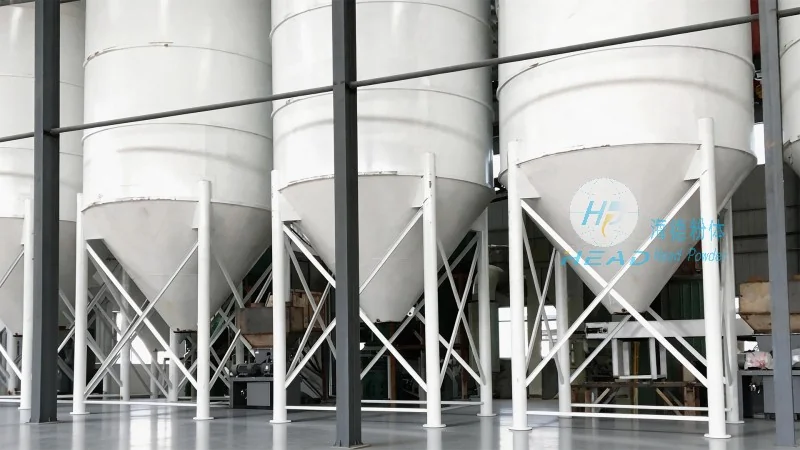
Introduction to Multi-Hopper Pneumatic Conveying Systems
A multi-hopper system, often referred to as a multi-chamber or multi-pot system, consists of multiple individual hoppers or chambers connected in series. Each hopper is equipped with a pneumatic pump or feeder that can be independently controlled to regulate the flow of material. This modular design allows for the handling of different materials simultaneously or sequentially, enhancing flexibility and operational versatility. The system typically includes a central control unit that coordinates the operation of all hoppers, ensuring synchronized and efficient material transfer.
HeadPowder: A Leading Manufacturer of Multi-Hopper Systems
Shandong HeadPowder Engineering Co., Ltd., commonly known as HeadPowder, is a prominent manufacturer specializing in the design, development, and production of high-quality multi-hopper pneumatic conveying systems. With a strong commitment to innovation and customer satisfaction, HeadPowder has established itself as a trusted partner in the industry. The company's headquarters is located in Shandong, China, where it leverages advanced manufacturing capabilities and technical expertise to deliver reliable and durable solutions tailored to diverse industrial needs.
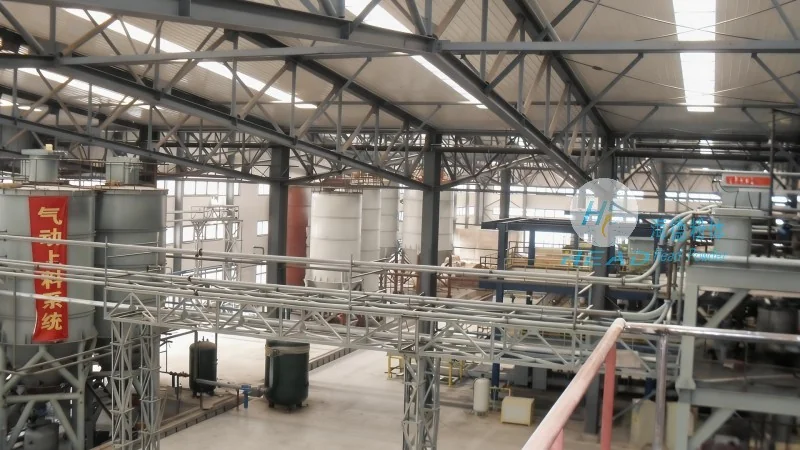
Design Principles of Multi-Hopper Pneumatic Conveying Systems
The design of a multi-hopper system is centered around several key principles to ensure optimal performance and material handling capabilities. First, the system must be capable of handling a wide range of powder properties, including varying particle sizes, densities, and flow characteristics. This is achieved through the use of specialized hopper designs and feeder mechanisms that can accommodate different material behaviors. Second, the pneumatic conveying process relies on the creation of a pressure differential between the hopper and the discharge point. By using compressed air or other gases, the system can generate sufficient force to move the material through the pipeline, minimizing the risk of blockages and ensuring smooth operation.
Third, the control system plays a crucial role in maintaining the stability and efficiency of the multi-hopper operation. Advanced control algorithms and sensors are employed to monitor key parameters such as pressure, flow rate, and material level in each hopper. This real-time data allows for dynamic adjustments to the conveying process, preventing overfilling or underfilling and optimizing energy consumption. Additionally, the modular nature of the system enables easy integration with existing production lines, reducing downtime and installation costs.
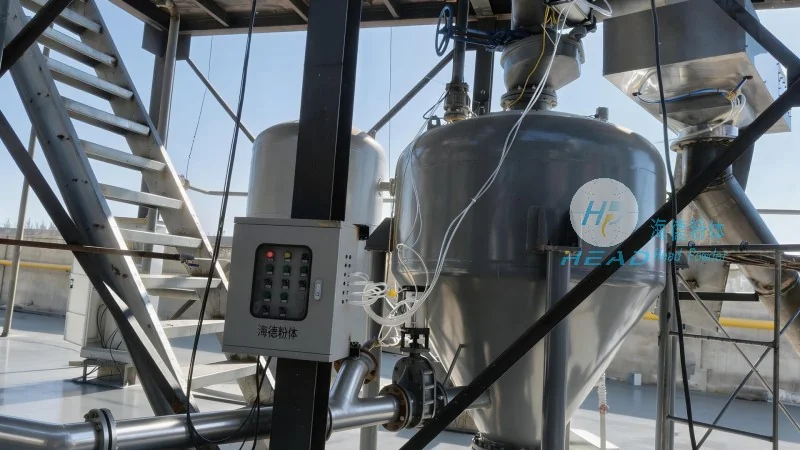
Key Components and Their Functions
Multi-hopper pneumatic conveying systems consist of several critical components that work in harmony to achieve efficient material transport. The primary components include: 1. Hoppers: These are the storage chambers where bulk materials are loaded. Each hopper is designed to accommodate specific material characteristics, with features like agitators or vibrators to prevent material bridging and ensure consistent flow. 2. Pneumatic Feeders: These devices, often equipped with air-operated diaphragm or rotary valves, control the discharge of material from each hopper into the conveying pipeline. The feeders are designed to handle high-pressure air and maintain precise flow rates. 3. Conveying Pipelines: The system utilizes a network of pipes to transport the material from the hoppers to the discharge point. The pipeline design considers factors such as material friction, pressure drop, and potential for blockages, ensuring reliable transport. 4. Control Unit: This central component manages the operation of all hoppers and feeders, using sensors and software to monitor and adjust the system's performance. The control unit may include programmable logic controllers (PLCs) and human-machine interfaces (HMIs) for user-friendly operation and data logging.
Advantages of Multi-Hopper Systems
Multi-hopper pneumatic conveying systems offer several advantages over traditional material handling methods. One of the most significant benefits is the ability to handle multiple materials simultaneously, reducing the need for separate handling equipment and streamlining production processes. This leads to increased operational efficiency and cost savings. Additionally, the system minimizes product contamination and degradation by using enclosed conveying paths, which is particularly important for sensitive materials like pharmaceuticals or food products. The modular design also allows for easy expansion or modification of the system as production needs change, providing long-term flexibility.
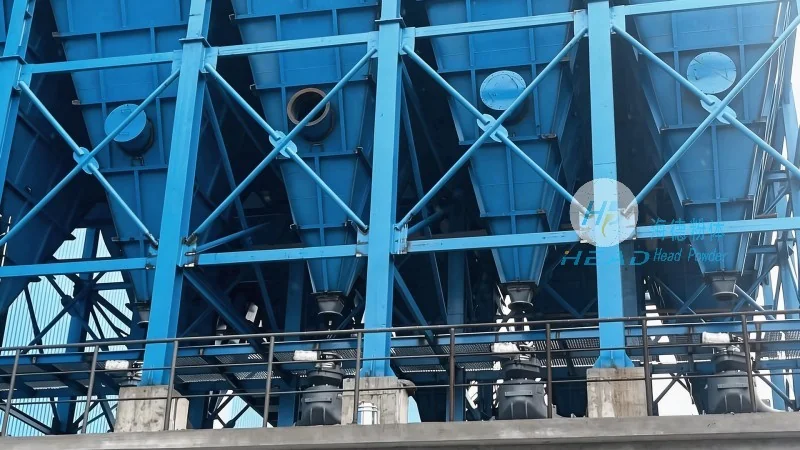
Applications and Industries
Multi-hopper pneumatic conveying systems are widely applied across various industries due to their versatility and reliability. In the pharmaceutical industry, these systems are used to transport active pharmaceutical ingredients (APIs) and excipients with high precision, ensuring compliance with stringent quality standards. In the food processing sector, they handle powders such as flour, sugar, and spices, maintaining hygiene and preventing cross-contamination. The chemical manufacturing industry utilizes multi-hopper systems for transporting raw materials and intermediates, enhancing safety and operational efficiency. Other applications include the handling of minerals, ceramics, and other bulk materials in mining and construction industries.
Conclusion
Multi-hopper pneumatic conveying systems represent a sophisticated solution for efficient bulk material handling, combining advanced design principles with robust manufacturing capabilities. As a leading manufacturer, Shandong HeadPowder Engineering Co., Ltd. continues to innovate and provide high-quality systems that meet the evolving needs of modern industries. By understanding the core components and operational principles of these systems, businesses can optimize their material handling processes, improve productivity, and ensure product quality. With its commitment to excellence and customer-centric approach, HeadPowder remains a trusted partner for industries seeking reliable and efficient multi-hopper solutions.