

What is PTFE Powder Handling? Understanding Design Principles
PTFE (Polytetrafluoroethylene) powder handling is a specialized field within material processing that focuses on the efficient and reliable transport of PTFE powder from one location to another. This process is critical in various industrial applications, including chemical manufacturing, pharmaceutical production, and advanced material synthesis. The design principles behind PTFE powder handling systems are tailored to address the unique challenges posed by PTFE's physical properties, such as its low friction coefficient, chemical inertness, and fine particle size.
Key Design Considerations for PTFE Powder Handling Systems
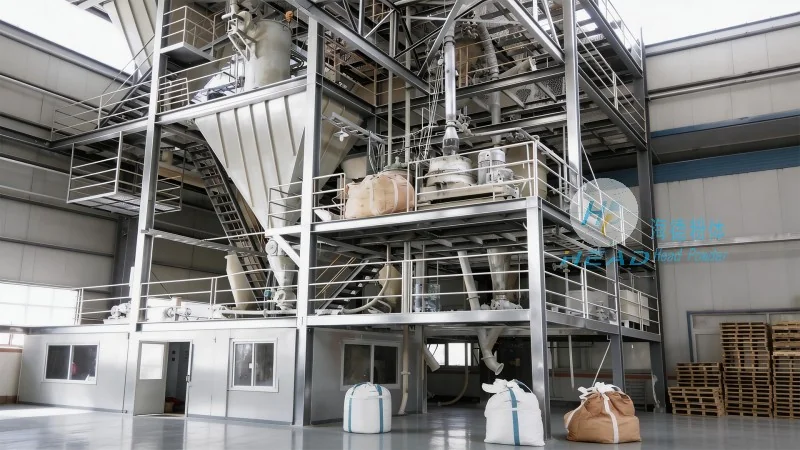
When designing a PTFE powder handling system, several key factors must be considered to ensure optimal performance and safety. First, the material of construction is paramount. Since PTFE is chemically resistant to most acids, bases, and solvents, the conveying equipment must be made from compatible materials like stainless steel or specialized polymers to prevent contamination and equipment degradation. Additionally, the system must accommodate the fine particle size of PTFE, which can lead to issues like caking, agglomeration, and blockages in traditional conveying methods. To mitigate these risks, engineers often employ specialized equipment such as rotary valves, pneumatic conveying systems, and vacuum pumps that are specifically designed to handle fine powders without causing particle degradation or loss.
The Role of PTFE in Industrial Applications
PTFE powder is widely used in industries where non-stick, high-temperature resistance, and chemical inertness are essential. For instance, in the chemical industry, PTFE is used to produce coatings, linings, and seals that protect equipment from corrosive substances. In pharmaceutical manufacturing, PTFE is utilized in the production of medical devices and components due to its biocompatibility and resistance to contamination. The efficient handling of PTFE powder is therefore crucial for maintaining product quality and ensuring consistent performance in these applications. A well-designed PTFE powder handling system helps minimize material loss, prevent cross-contamination, and enhance overall process efficiency.
Design Principles for Efficient PTFE Powder Conveying
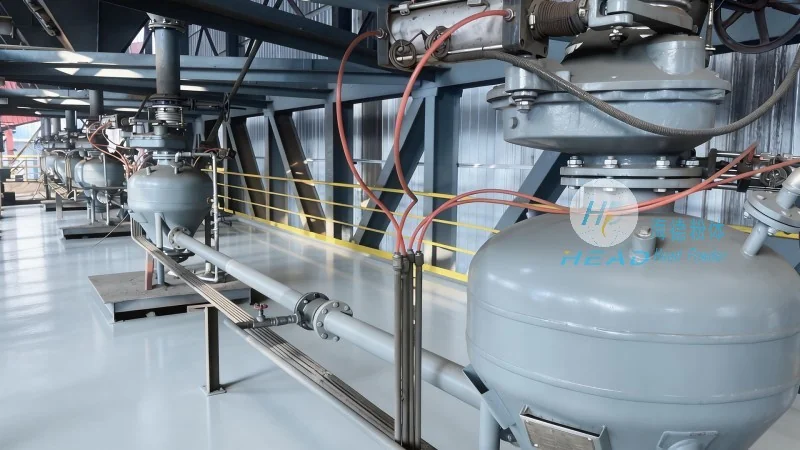
The design of PTFE powder handling systems typically involves a combination of mechanical and pneumatic components. Mechanical systems, such as screw conveyors and belt conveyors, are often used for horizontal or slight incline transport, but they may not be suitable for fine PTFE powders due to the risk of clogging. Pneumatic conveying systems, on the other hand, use air or other gases to transport PTFE powder through pipes. These systems can be classified as pressure or vacuum systems, depending on the direction of air flow. Pressure systems push the powder forward using compressed air, while vacuum systems draw the powder into the system using a vacuum pump. The choice between these systems depends on factors like the distance to be covered, the particle size, and the required flow rate. For PTFE powder, vacuum systems are often preferred because they can handle fine particles more effectively and reduce the risk of dust emissions.
Components of a Typical PTFE Powder Handling System
A typical PTFE powder handling system consists of several key components that work together to ensure smooth operation. The primary components include a hopper or feeder to store and feed the PTFE powder, a conveying device (either mechanical or pneumatic), and a control system to regulate the flow. The hopper is designed to prevent material buildup and ensure a consistent feed rate. The conveying device transports the powder to the destination, such as a mixer, reactor, or storage tank. The control system monitors parameters like pressure, flow rate, and temperature to maintain optimal conditions. Additionally, the system may include filters and dust collection equipment to prevent PTFE powder from escaping into the environment, as PTFE is a fine powder that can be difficult to contain.
Challenges and Solutions in PTFE Powder Handling
Handling PTFE powder presents several challenges that must be addressed through careful system design. One of the main challenges is the tendency of PTFE particles to stick to surfaces, which can lead to clogging and equipment failure. To mitigate this, engineers often use anti-stick coatings on equipment surfaces and incorporate vibration or agitation into the system to prevent particle buildup. Another challenge is the risk of dust explosion, as PTFE powder can be a combustible dust under certain conditions. To prevent this, the system must include explosion-proof components and proper ventilation. Furthermore, the fine particle size of PTFE can cause wear on equipment components, so materials with high wear resistance, such as hardened steel or special alloys, are used in critical parts of the system.
Case Study: PTFE Powder Handling in a Chemical Plant
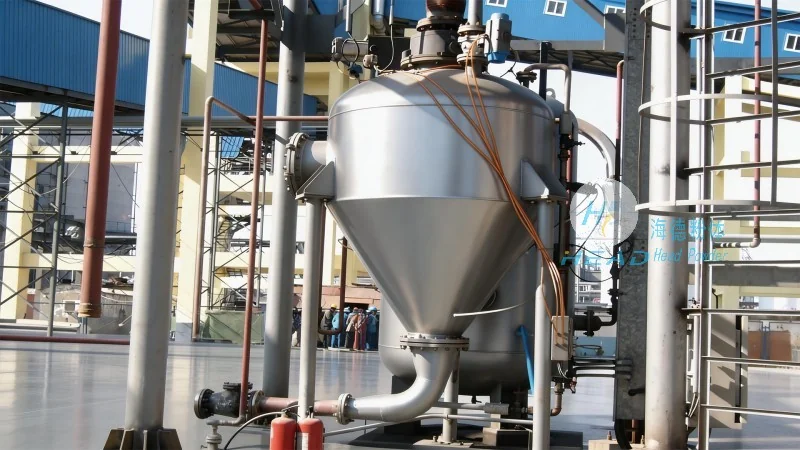
Consider a chemical plant that produces PTFE-based coatings. The plant needs to transport PTFE powder from a storage silo to a mixing tank for further processing. The system designed for this application includes a vacuum conveying system with a stainless steel hopper and a series of pipes. The vacuum pump draws the PTFE powder from the silo and transports it to the mixing tank. The system is equipped with a filter to capture any dust particles and prevent them from escaping. The control system monitors the pressure and flow rate to ensure the powder is conveyed at a consistent rate. This system has been in operation for several years and has demonstrated high efficiency and reliability, with minimal material loss and no clogging issues. The success of this system is attributed to the careful consideration of PTFE's properties and the application of appropriate design principles.
Conclusion
In conclusion, PTFE powder handling is a critical aspect of industrial processing that requires specialized design principles to address the unique challenges posed by PTFE's physical properties. The efficient design of PTFE powder handling systems involves careful selection of materials, equipment, and control strategies to ensure smooth operation, minimize material loss, and maintain product quality. By understanding the key design considerations and challenges, engineers can develop systems that effectively handle PTFE powder and support the needs of various industrial applications. The expertise of companies like Shandong HeadPowder Engineering Co., Ltd. in designing and manufacturing PTFE powder handling systems plays a vital role in meeting these industrial demands.