When it comes to material handling in industrial settings, especially for handling fine powders like sponge sand, the choice of equipment can significantly impact efficiency and operational costs. One such specialized machine is the sponge sand pneumatic conveying system. This article aims to provide a comprehensive overview of what this equipment is and the underlying design principles that make it effective for its intended applications.
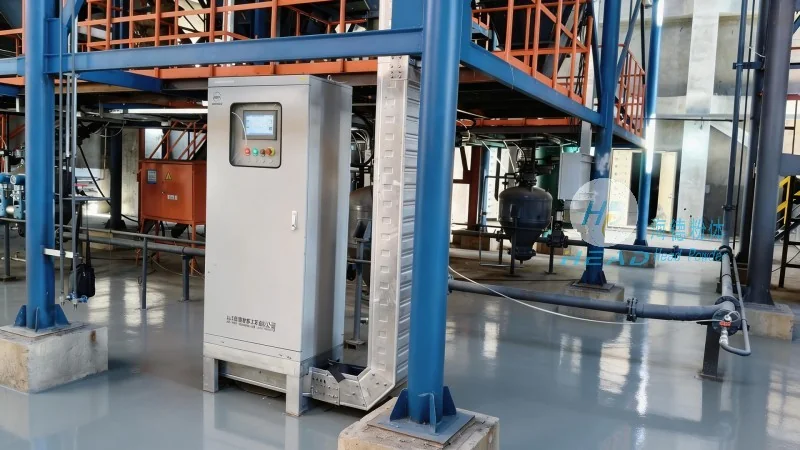
Introduction to Sponge Sand Pneumatic Conveying Machines
A sponge sand pneumatic conveying machine is a type of equipment designed to transport fine, dry materials such as sponge sand through a pipeline using compressed air. Unlike traditional mechanical conveyors, this system relies on the force of air to move the material, making it particularly suitable for handling materials that are prone to dust, require minimal contact with surfaces, or need to be transported over long distances without degradation. The machine typically consists of a hopper for material storage, a blower or compressor to generate the air flow, and a pipeline network that directs the material from the source to the destination. The entire system is engineered to ensure efficient, dust-free, and reliable material transfer.
About Shandong HeadPowder Engineering Co., Ltd.
Shandong HeadPowder Engineering Co., Ltd., commonly known as HeadPowder, is a leading manufacturer and supplier of industrial material handling equipment. With a strong presence in China, the company is headquartered in Shandong province, where it has established itself as a trusted name in the industry. HeadPowder specializes in developing and manufacturing high-quality pneumatic conveying systems tailored to meet the diverse needs of various industrial sectors, including construction, manufacturing, and processing plants. The company’s commitment to innovation, quality, and customer satisfaction has enabled it to deliver reliable solutions that enhance operational efficiency and reduce downtime for its clients.
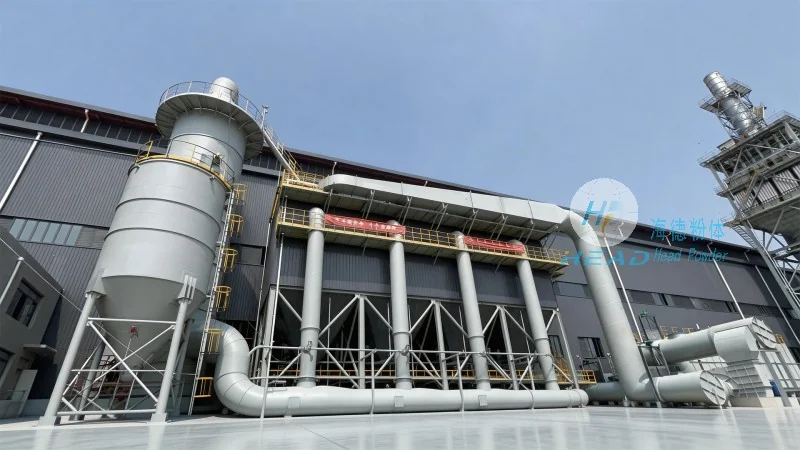
Key Components and Functionality of the Sponge Sand Pneumatic Conveying System
The core components of a sponge sand pneumatic conveying machine include the material hopper, the air supply unit (such as a blower or compressor), the conveying pipeline, and the discharge unit. The material hopper is designed to hold the sponge sand and feed it into the system at a controlled rate. The air supply unit generates the necessary air pressure and volume to create a flow of air that carries the material particles through the pipeline. The conveying pipeline is typically made of durable materials like stainless steel or plastic to withstand the abrasive nature of the material and the pressure of the air flow. The discharge unit is responsible for releasing the material at the destination point, often with a valve or regulator to control the flow rate.
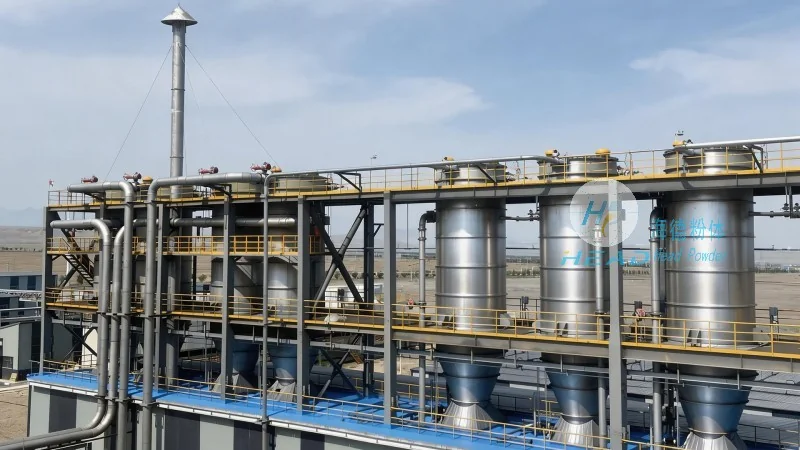
Design Principles Behind the Pneumatic Conveying System
The design of a sponge sand pneumatic conveying machine is based on several fundamental principles of fluid dynamics and material handling. The primary principle is the use of air as the conveying medium, which allows for the transport of fine particles without the need for mechanical contact. This reduces wear and tear on the equipment and minimizes the risk of material degradation. The system operates on the principle of creating a pressure differential between the inlet and outlet of the pipeline. By maintaining a consistent air pressure, the machine ensures that the material is continuously drawn into the pipeline and transported to the desired location. The design also considers factors such as the particle size distribution of the sponge sand, the air velocity required to maintain a stable flow, and the overall system pressure to optimize performance and efficiency.
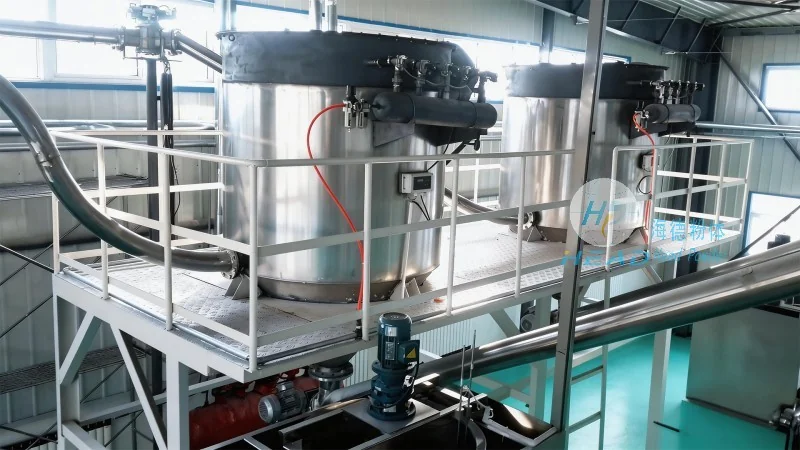
Advantages and Applications of Sponge Sand Pneumatic Conveying Machines
There are several advantages to using a sponge sand pneumatic conveying machine for material transport. One of the key benefits is the ability to handle fine, dusty materials without generating excessive dust, which is crucial for maintaining a clean and safe working environment. The system also allows for the transportation of materials over long distances with minimal loss, making it suitable for applications where the material needs to be moved from one part of a facility to another. Additionally, the equipment is relatively easy to install and maintain, with fewer moving parts compared to traditional mechanical conveyors, which reduces the risk of breakdowns and lowers maintenance costs. The applications of this equipment are widespread, including in the construction industry for transporting sand and other fine materials to job sites, in manufacturing plants for processing and handling raw materials, and in processing facilities for transporting finished products or byproducts.
Conclusion
In summary, a sponge sand pneumatic conveying machine is a sophisticated piece of equipment designed to efficiently transport fine materials like sponge sand using compressed air. The design principles behind this system, including the use of air as the conveying medium and the maintenance of a consistent pressure differential, ensure reliable and effective material transfer. Companies like Shandong HeadPowder Engineering Co., Ltd. play a crucial role in providing such equipment to industries that require efficient and safe material handling solutions. By understanding the components and design principles of these machines, users can make informed decisions about their material handling needs and choose the most suitable equipment for their specific applications.




