

What is a Pearl Sand Pneumatic Conveying System? What are its Design Principles?
For industrial applications requiring the efficient and reliable transport of pearl sand, a pneumatic conveying system offers a robust solution. Pearl sand, known for its unique optical properties and widespread use in cosmetics, coatings, and other industries, demands specialized handling equipment to ensure product integrity and operational efficiency. This article explores the concept of a pearl sand pneumatic conveying system, detailing its design principles and the technical considerations that underpin its successful implementation. The system is engineered by Shandong HeadPowder Engineering Co., Ltd., a leading provider of industrial conveying solutions based in China, with expertise in handling abrasive and fine powders like pearl sand.
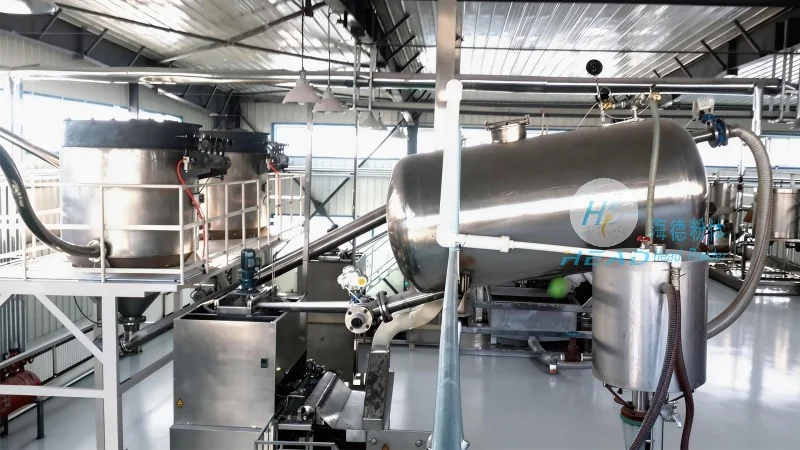
Understanding Pearl Sand and Its Handling Requirements
Pearl sand, also referred to as mica or feldspar-based powders, is characterized by its fine particle size and high density. These properties make traditional gravity or mechanical conveying methods inefficient and potentially damaging to the product. The abrasive nature of pearl sand can also lead to increased wear on equipment components, necessitating specialized materials and design features. A pneumatic conveying system addresses these challenges by using compressed air to transport the material in a sealed environment, minimizing exposure to external contaminants and preserving the product's quality.
Key Components of a Pearl Sand Pneumatic Conveying System
The design of a pearl sand pneumatic conveying system involves several critical components that work in tandem to ensure smooth operation. These include the air compressor, which generates the necessary pressure to move the material; the hopper or feed bin, where the pearl sand is stored and metered; the conveying line, which can be either positive or negative pressure depending on the application; and the receiver or discharge hopper, where the material is deposited. Each component is engineered to withstand the abrasive nature of pearl sand, with materials such as stainless steel, polyethylene, or specialized coatings used to reduce wear and extend service life.
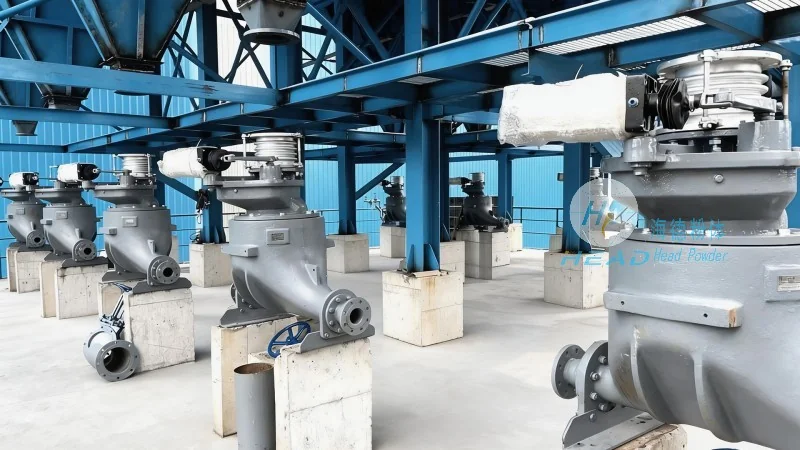
Design Principles for Efficient Pearl Sand Conveying
The success of a pearl sand pneumatic conveying system hinges on adherence to several key design principles. First, the system must maintain a consistent air-to-material ratio to prevent blockages or excessive pressure drops. This is achieved through precise control of the feed rate and air flow, often using variable speed drives and pressure sensors. Second, the conveying line diameter and length are carefully calculated to minimize friction losses and ensure that the material remains in suspension. The use of bends and elbows with smooth, rounded surfaces is critical to avoid particle accumulation and reduce wear. Third, the system incorporates filtration and separation mechanisms to remove any entrained dust or moisture, protecting downstream equipment and maintaining product purity.
Advantages of Using a Pearl Sand Pneumatic Conveying System
Implementing a pneumatic conveying system for pearl sand offers numerous advantages over traditional methods. The primary benefit is the ability to transport the material in a closed system, which prevents contamination from the environment and reduces dust emissions. This is particularly important for applications where product purity is paramount, such as in the cosmetics or pharmaceutical industries. Additionally, the system allows for flexible routing, enabling the material to be conveyed over long distances or around obstacles without the need for additional infrastructure. The enclosed design also enhances safety by containing the material and preventing exposure to workers. Finally, the system's ability to handle fine powders without clogging or agglomeration ensures consistent product quality and reduces downtime due to maintenance or blockages.
Customization and Integration with Industrial Processes
Given the diverse applications of pearl sand, a pneumatic conveying system is often customized to meet specific operational requirements. The system can be integrated with existing production lines, such as mixing or coating equipment, to create a seamless material flow. For example, in a cosmetics manufacturing facility, the pearl sand may be conveyed directly from a storage silo to a mixing tank, where it is combined with other ingredients. The system can also be equipped with sensors and automation controls to monitor performance and adjust parameters in real-time, improving efficiency and reducing waste. Customization may also involve adjusting the air pressure, conveying line diameter, or material feed rate to accommodate variations in pearl sand properties or production volumes.
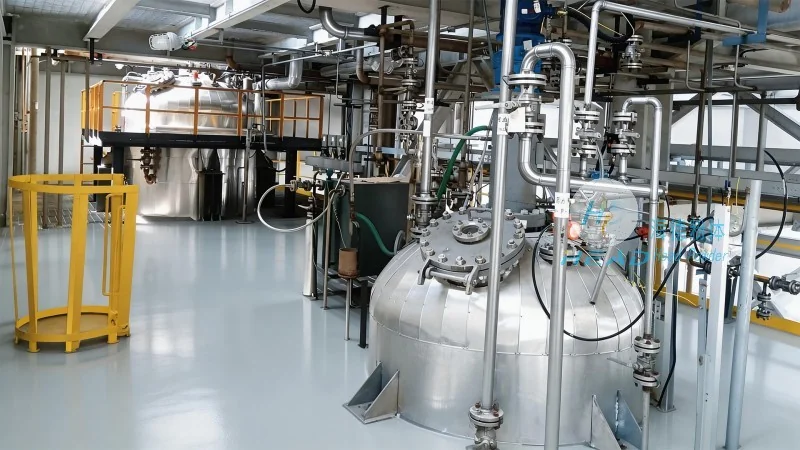
Maintenance and Operational Considerations
Proper maintenance is essential to ensure the long-term reliability and efficiency of a pearl sand pneumatic conveying system. Regular inspection of components such as the air compressor, hopper, and conveying line is necessary to detect and address any signs of wear or damage. Filters and separators should be cleaned or replaced as needed to prevent clogging and maintain air quality. The system should also be equipped with safety features, such as pressure relief valves and emergency shut-off switches, to protect against over-pressurization or other hazards. Operational considerations include monitoring the air pressure and flow rates to ensure they remain within optimal ranges, and performing routine checks on the material feed to avoid overloading the system. By adhering to these maintenance and operational guidelines, users can maximize the system's lifespan and minimize downtime.
Conclusion: The Role of Pearl Sand Pneumatic Conveying Systems in Modern Manufacturing
In conclusion, a pearl sand pneumatic conveying system is a critical piece of equipment for industries relying on fine powders. Its design principles, which prioritize efficiency, product integrity, and safety, make it an ideal solution for transporting pearl sand. By understanding the key components and operational considerations, manufacturers can select and implement a system that meets their specific needs, ensuring consistent product quality and operational reliability. As demand for pearl sand continues to grow in various sectors, the importance of reliable conveying systems will only increase, making them a vital investment for modern manufacturing operations.