For manufacturers in the battery industry, the efficient handling of positive and negative electrode materials is critical to production efficiency and product quality. A pneumatic conveying system specifically designed for these materials plays a key role in the entire production process. This article will explore what such a system is and its core design principles, with a focus on the solutions provided by Shandong HeadPowder Engineering Co., Ltd.
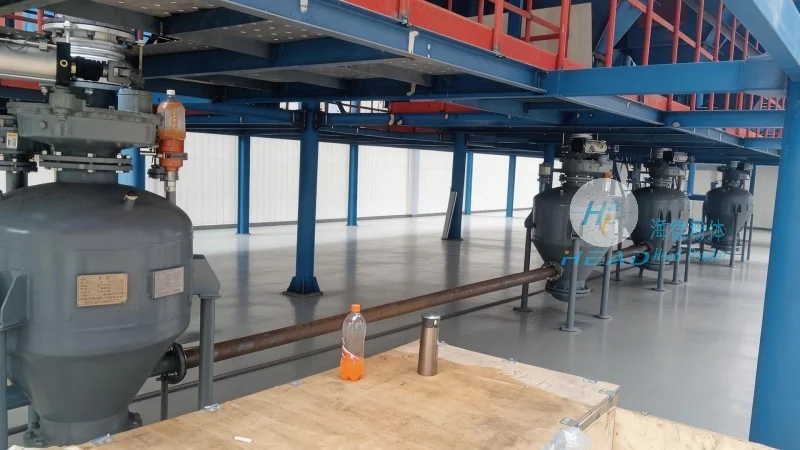
Definition of a Pneumatic Conveying System for Electrode Materials
A pneumatic conveying system for positive and negative electrode materials is a device that uses compressed air or other gas to transport powder materials, such as those used in lithium-ion batteries, from one location to another. This system typically includes components like a hopper, feeder, pipeline, and receiver. The primary function is to transport materials in a dust-free, continuous, and controlled manner, ensuring that the material properties are not damaged during the process.
Key Design Principles of the System
The design of a pneumatic conveying system for electrode materials must consider several key factors to ensure optimal performance and safety. First, the system must be able to handle the specific physical properties of the materials, such as particle size, moisture content, and dust generation. Second, the system needs to maintain a stable and consistent air flow to prevent material clogging or blockages in the pipeline. Third, the system should be designed for easy cleaning and maintenance to minimize downtime. Fourth, safety features are essential, including explosion-proof designs and dust collection systems to comply with industrial safety standards.
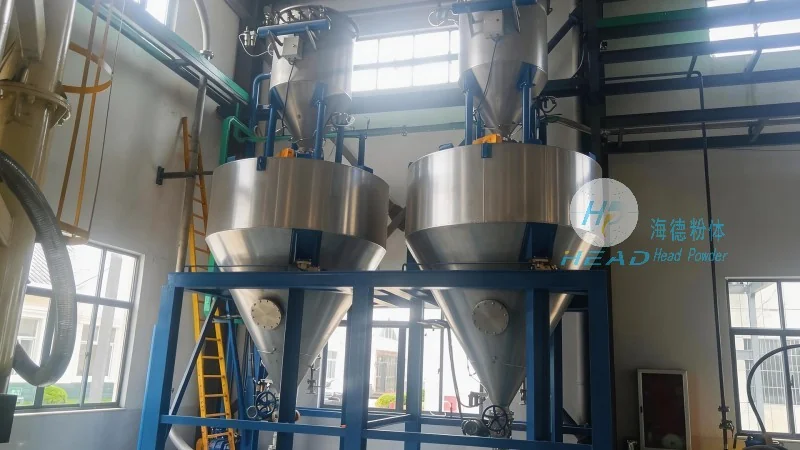
Components and Working Principle
The core components of a typical pneumatic conveying system for electrode materials include the material storage hopper, which holds the raw materials; a feeder that controls the material flow into the conveying line; a pipeline system that transports the material; and a receiver that collects the material at the destination. The working principle involves feeding the material into the pipeline through the feeder, then using compressed air to create a flow that carries the material along the pipeline. The air flow is controlled to maintain a consistent velocity, ensuring the material is transported without damage. The system may use different types of conveying, such as dilute-phase or dense-phase, depending on the material characteristics and the required conveying distance.
Application in Battery Manufacturing
In the battery manufacturing process, the positive and negative electrode materials are transported from the mixing and drying stages to the coating and forming stages. The pneumatic conveying system ensures that these materials are delivered to the next production step in a clean and efficient manner. This not only improves production efficiency but also reduces the risk of contamination, which is crucial for maintaining the quality of the final battery products.
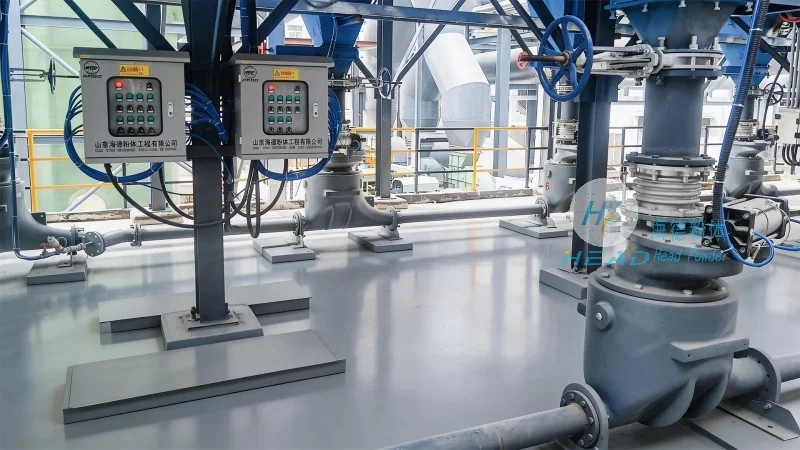
Shandong HeadPowder Engineering Co., Ltd.: Expert in Pneumatic Conveying Solutions
Shandong HeadPowder Engineering Co., Ltd., a leading manufacturer in the field, specializes in designing and manufacturing pneumatic conveying systems tailored to the needs of the battery industry. With years of experience, the company has developed systems that meet the strict requirements of handling positive and negative electrode materials. The company's solutions are designed to be robust, reliable, and easy to maintain, ensuring long-term performance and minimal downtime. The engineering team at HeadPowder works closely with clients to understand their specific production needs and provide customized solutions that optimize material handling and improve overall production efficiency.
Advantages of Choosing a HeadPowder System
Choosing a pneumatic conveying system from Shandong HeadPowder Engineering Co., Ltd. offers several advantages. First, the systems are designed with the specific properties of electrode materials in mind, ensuring that the material is handled without degradation. Second, the systems are equipped with advanced control systems that allow for precise control of the conveying process, reducing waste and improving material utilization. Third, the company provides comprehensive after-sales support, including maintenance and technical assistance, to ensure the system operates at peak performance. Finally, the systems are manufactured with high-quality materials and components, ensuring durability and longevity.




