

What is a Dust Pneumatic Conveying System? What Are Its Design Principles?
Dust pneumatic conveying systems represent a critical technology in modern industrial operations, enabling the efficient and safe transport of particulate materials over various distances and environments. At the core of these systems lies a sophisticated design that integrates fluid dynamics, material science, and mechanical engineering principles to achieve reliable performance. Understanding both the fundamental concept and the underlying design principles is essential for industries ranging from food processing to chemical manufacturing, where the handling of fine powders is a daily challenge.
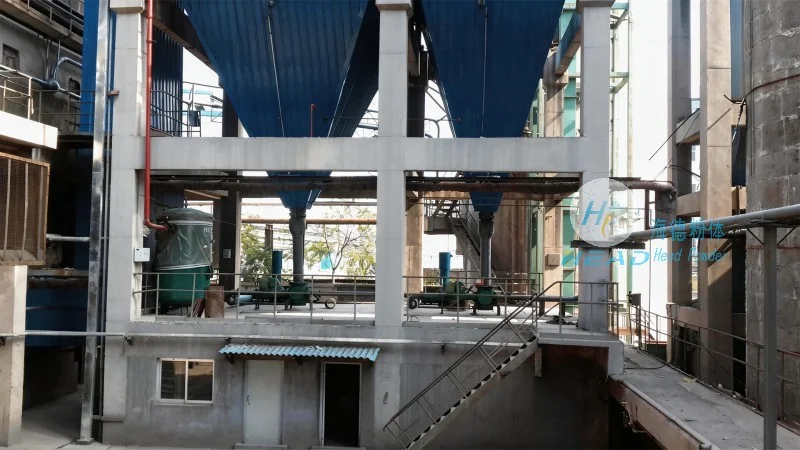
Defining the Dust Pneumatic Conveying System
A dust pneumatic conveying system is a method of transporting solid particles, such as powders or granules, using a gas stream—typically air or other gases. Unlike traditional mechanical conveyors that rely on belts, screws, or buckets, pneumatic systems utilize the kinetic energy of the moving gas to propel the material through a network of pipes. This approach offers several advantages, including the ability to handle abrasive or corrosive materials, operate in enclosed environments to prevent dust contamination, and achieve high-velocity transport over long distances with minimal maintenance.
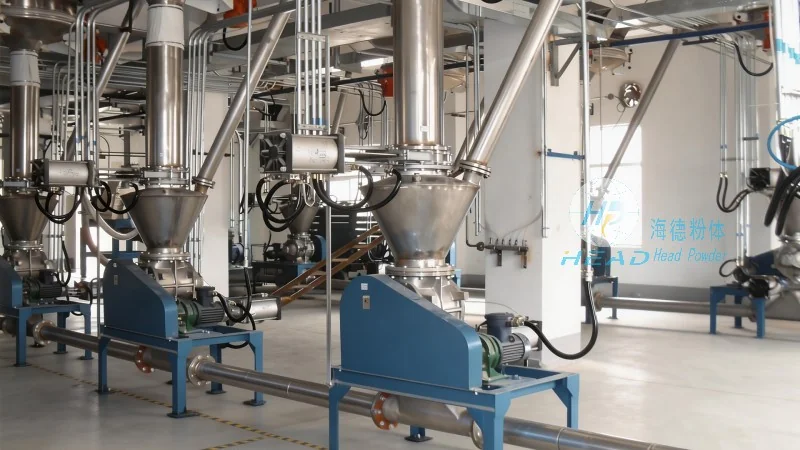
Core Components and Their Functions
The effectiveness of a dust pneumatic conveying system depends on the integration of several key components, each playing a vital role in the overall operation. The primary components include the material feed device, the conveying line (pipes), the air supply system (blowers or compressors), and the separation and collection equipment. The material feed device, such as a rotary valve or a star feeder, ensures a consistent and controlled introduction of the powder into the system, preventing blockages and maintaining flow stability. The conveying line, typically made of stainless steel or other corrosion-resistant materials, is designed to withstand the pressure and abrasion from the moving particles. The air supply system generates the necessary pressure or vacuum to move the material, with options ranging from positive pressure (pressurized systems) to negative pressure (suction systems). Finally, the separation and collection equipment, including cyclones or bag filters, captures the material from the gas stream, ensuring that the final product is free from contamination and that the system operates within environmental regulations.
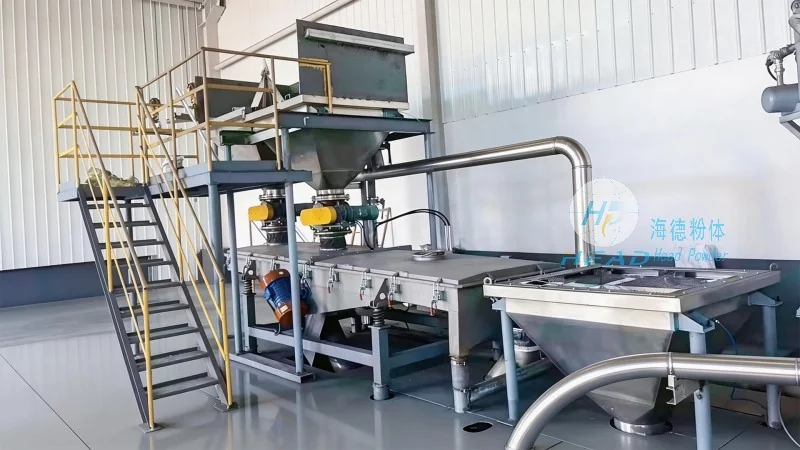
Design Principles: Balancing Efficiency and Reliability
The design of a dust pneumatic conveying system is a complex process that requires careful consideration of multiple factors to optimize performance, minimize energy consumption, and ensure long-term reliability. Key design principles include selecting the appropriate conveying method (pressurized or suction), determining the optimal air velocity and pressure based on the material's characteristics, and ensuring proper sizing of components to prevent system bottlenecks. Material characteristics, such as particle size, density, and moisture content, are critical inputs, as they directly influence the required air velocity and pressure to achieve efficient transport. For example, fine powders with low bulk density may require higher air velocities to maintain suspension, while larger or denser particles may need higher pressure to overcome friction and gravity. Additionally, the system's layout, including the number and configuration of bends, vertical and horizontal runs, and the placement of separation equipment, must be carefully planned to minimize pressure losses and ensure smooth material flow. Energy efficiency is another critical design consideration, as pneumatic conveying systems can consume significant power. Engineers often employ techniques such as optimizing air velocity, using energy recovery systems, and selecting high-efficiency blowers to reduce operational costs while maintaining performance. Maintenance and durability are also paramount, as components like pipes, valves, and filters are subject to wear from abrasive particles. The use of corrosion-resistant materials, regular cleaning, and predictive maintenance schedules are essential to extend the system's lifespan and prevent unexpected downtime.
Applications and Industry Impact
Dust pneumatic conveying systems find widespread application across various industries due to their versatility and adaptability. In the food and pharmaceutical sectors, they are used to transport ingredients like flour, sugar, or powders, where hygiene and contamination control are paramount. The enclosed nature of the system prevents cross-contamination and ensures compliance with regulatory standards. In the chemical industry, these systems handle a range of powders, from reactive chemicals to catalysts, requiring robust designs that can withstand corrosive environments and pressure fluctuations. The mining and minerals sector also relies on pneumatic conveying for transporting ore and tailings, where the ability to handle abrasive materials and long distances is crucial. Furthermore, in the agricultural industry, systems are used to transport grain, feed, or fertilizer, improving efficiency in processing and storage operations. The consistent and controlled transport of materials enhances production quality and reduces waste, making pneumatic conveying an indispensable tool in modern industrial processes.
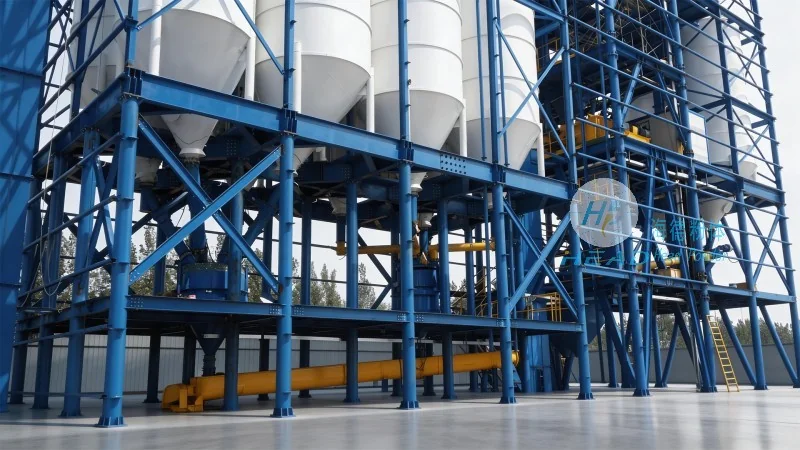
Case Study: Shandong HeadPowder Engineering Co., Ltd.
Shandong HeadPowder Engineering Co., Ltd., a leading manufacturer based in China, specializes in the design, manufacturing, and installation of dust pneumatic conveying systems tailored to the specific needs of various industries. With a strong focus on innovation and customer-centric solutions, the company has developed advanced systems that incorporate the latest design principles to deliver superior performance and reliability. HeadPowder's expertise lies in understanding the unique challenges of each application, such as handling fine powders with high moisture content or abrasive materials, and designing systems that address these challenges effectively. The company's facilities in Shandong, China, are equipped with state-of-the-art technology and skilled engineering teams, ensuring that every system is built to meet the highest standards of quality and durability. Clients benefit from HeadPowder's comprehensive approach, which includes detailed system analysis, custom design, and post-installation support to ensure long-term operational success. By integrating cutting-edge materials, efficient air management, and robust component design, HeadPowder's systems provide industries with a reliable solution for their material handling needs, contributing to increased productivity and reduced operational costs.