

What is Coal Ash Pneumatic Conveying? And What Are Its Design Principles?
Coal ash, a byproduct of coal combustion in power plants, presents both environmental and logistical challenges for utilities and industrial facilities. Efficient handling and transportation of this material are critical to maintaining operational efficiency and compliance with environmental regulations. Pneumatic conveying offers a sophisticated solution to this challenge, enabling the safe and reliable transport of coal ash over long distances and varying elevations. This article delves into the concept of coal ash pneumatic conveying and explores the fundamental design principles that underpin such systems.
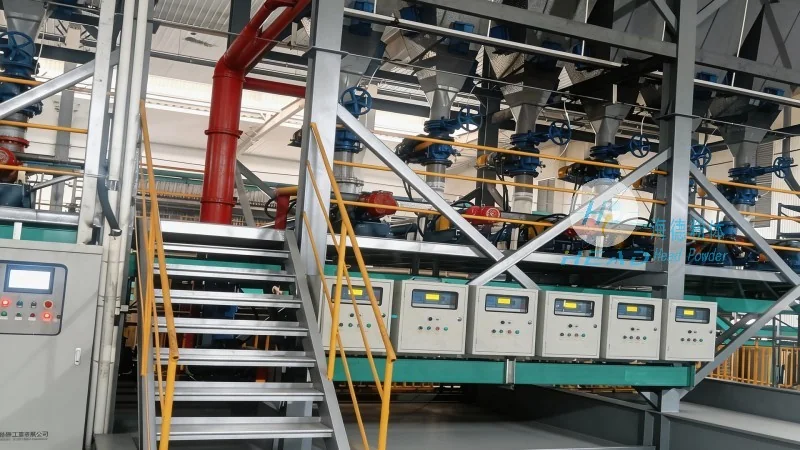
Introduction to Coal Ash Pneumatic Conveying
Pneumatic conveying is a method of transporting bulk materials, such as coal ash, through a pipeline using air or other gas as the conveying medium. Unlike traditional mechanical conveying systems, which rely on belts, buckets, or screws, pneumatic systems utilize pressure differentials to move material. This technology is particularly advantageous for handling fine, dusty, or abrasive materials like coal ash, as it minimizes wear and reduces the risk of material degradation. The process typically involves feeding the coal ash into a hopper, where it is then drawn into a pipeline by a vacuum or pressure source, propelled by the air flow. The system can operate in either vacuum or pressure modes, depending on the application and distance requirements.
Understanding Coal Ash and Pneumatic Conveying Technology
Coal ash, also known as fly ash or bottom ash, consists of inorganic particles left over after coal is burned. It is characterized by its fine particle size, high density, and abrasive properties, which can pose challenges for conventional handling equipment. Pneumatic conveying systems are engineered to address these characteristics by using specialized components that can withstand the abrasive nature of the material and maintain system efficiency. The technology involves the use of air or gas to create a flow that carries the coal ash particles through the pipeline, ensuring consistent and controlled transport. This method is widely adopted in the power generation industry due to its ability to handle large volumes of ash while minimizing environmental impact and operational costs.
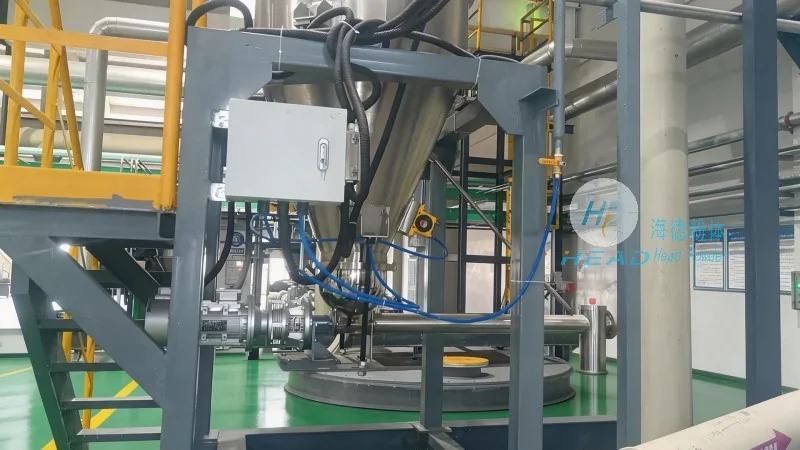
Core Design Principles of Coal Ash Pneumatic Conveying Systems
The design of a coal ash pneumatic conveying system is governed by several key principles that ensure optimal performance, reliability, and efficiency. These principles include material flow dynamics, pressure management, and component selection. Material flow dynamics focus on understanding the behavior of coal ash particles in the conveying air, including their velocity, pressure drop, and segregation tendencies. Proper design ensures that the material moves smoothly without clogging or causing excessive wear on system components. Pressure management is critical, as it determines the system's ability to transport material over varying distances and elevations. The system must be designed to maintain sufficient pressure or vacuum to overcome resistance and maintain material transport. Component selection is another vital aspect, as each part of the system—from the feed hopper to the discharge unit—must be tailored to the specific characteristics of coal ash. This includes using wear-resistant materials for pipes and valves, and efficient air movers (fans or blowers) to generate the necessary air flow.
Key Components and Their Functions in the System
A coal ash pneumatic conveying system comprises several essential components, each playing a crucial role in the overall operation. The primary components include the feed hopper, air mover (fan or blower), conveying pipeline, control valves, and discharge unit. The feed hopper is responsible for storing and feeding the coal ash into the system, ensuring a consistent supply of material. It often includes a feeder mechanism, such as a rotary valve or screw feeder, to regulate the flow rate. The air mover generates the pressure or vacuum required to move the material through the pipeline. This component must be powerful enough to handle the volume and density of the coal ash while maintaining energy efficiency. The conveying pipeline is typically made of materials like stainless steel or high-density polyethylene to withstand the abrasive nature of the ash and prevent leaks. Control valves, such as check valves or flow control valves, regulate the air flow and material transport, preventing backflow and ensuring smooth operation. The discharge unit, located at the end of the pipeline, collects the conveyed coal ash and directs it to the final destination, such as a storage silo or processing facility.
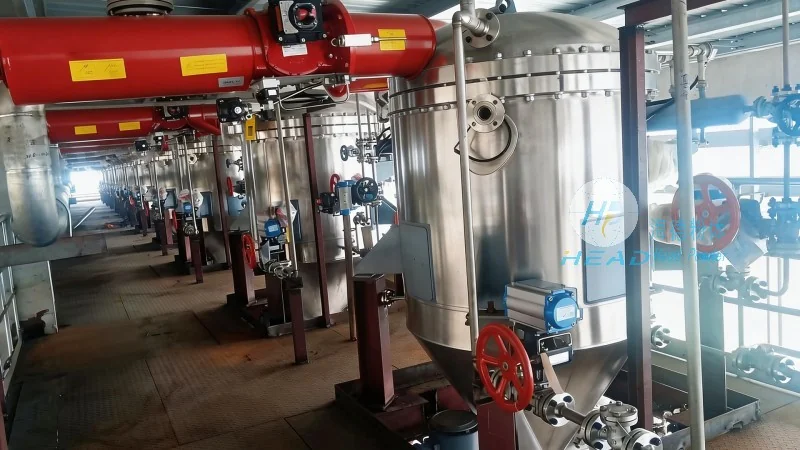
Practical Applications and Benefits of Using Coal Ash Pneumatic Conveying
Coal ash pneumatic conveying systems are widely used in various industrial applications, particularly in the power generation sector. They are employed to transport ash from power plants to disposal sites, recycling facilities, or storage areas. The technology is also utilized in other industries, such as cement production, where coal ash is used as a supplementary cementitious material. The benefits of using pneumatic conveying for coal ash handling are numerous. Firstly, it offers a highly efficient method of transporting large volumes of material over long distances, reducing the need for multiple handling steps and minimizing labor costs. Secondly, it provides a clean and dust-free operation, which improves workplace safety and reduces environmental pollution. Thirdly, the system is flexible and can be adapted to different site layouts and operational requirements. Additionally, pneumatic conveying systems are relatively low-maintenance compared to mechanical systems, as they have fewer moving parts and are less prone to wear and tear. These advantages make coal ash pneumatic conveying an attractive solution for modern industrial facilities seeking to optimize their material handling processes.
About HeadPowder: Your Trusted Partner in Engineering Solutions
HeadPowder, or Shandong HeadPowder Engineering Co., Ltd., is a leading provider of engineering solutions for bulk material handling, including coal ash pneumatic conveying systems. With its headquarters in Shandong, China, the company specializes in designing, manufacturing, and installing customized pneumatic conveying systems tailored to the specific needs of its clients. HeadPowder's team of experienced engineers and technicians leverages advanced technology and industry expertise to develop efficient and reliable systems that meet the highest standards of performance and safety. The company's commitment to quality and customer satisfaction has earned it a reputation as a trusted partner in the industry. Whether for new installations or system upgrades, HeadPowder offers comprehensive solutions that enhance operational efficiency, reduce costs, and ensure compliance with environmental regulations. By partnering with HeadPowder, industrial facilities can benefit from state-of-the-art technology and expert guidance to optimize their coal ash handling processes and achieve their operational goals.