

How to Choose the Right Biomass Pellet Pneumatic Conveying Manufacturer? Factors to Consider
When it comes to selecting a biomass pellet pneumatic conveying manufacturer, making the right choice is crucial for ensuring efficient and reliable material handling in your operations. The process involves careful evaluation of various factors that can significantly impact the performance and longevity of your conveying systems. This article will guide you through the key considerations to help you select the most suitable manufacturer for your specific needs.
Understanding the Core Requirements of Biomass Pellet Pneumatic Conveying
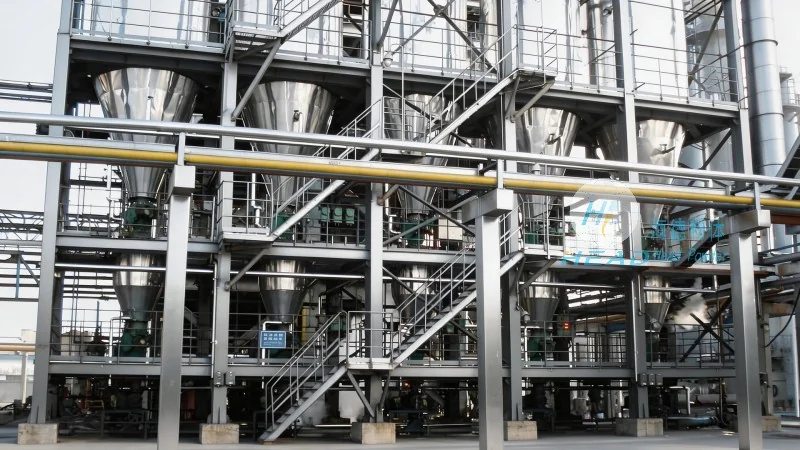
Before diving into manufacturer selection, it's essential to clearly define your operational requirements. Biomass pellets, such as wood chips, sawdust, or agricultural residues, have unique properties that affect how they are conveyed. Factors like pellet size, moisture content, and bulk density must be considered to ensure the chosen system can handle these characteristics effectively. Additionally, the scale of your operation—whether it's a small-scale processing plant or a large industrial facility—will influence the capacity and design of the conveying equipment. By understanding these core requirements, you can better assess how a manufacturer's solutions align with your operational goals.
Technical Expertise and Innovation in Biomass Conveying Solutions
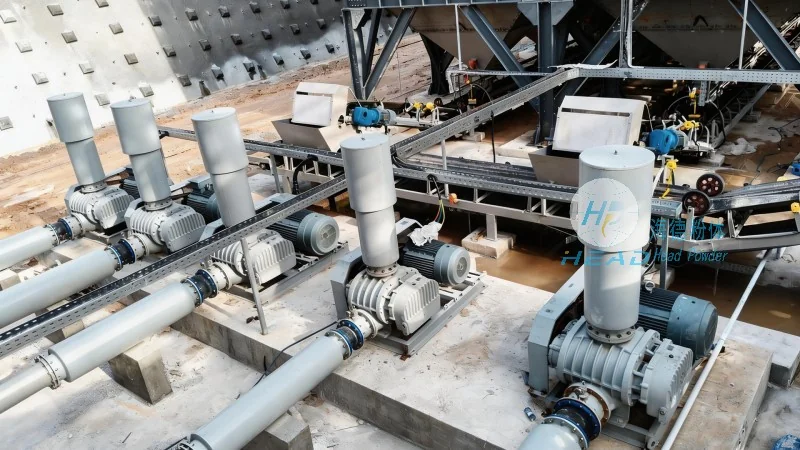
A reputable biomass pellet pneumatic conveying manufacturer should demonstrate a deep understanding of the technical aspects of pneumatic conveying systems. This includes expertise in both positive and negative pressure systems, as well as the ability to recommend the most appropriate technology for your specific application. For instance, headpowder, a leading manufacturer based in Shandong, China, specializes in custom-designed pneumatic conveying solutions tailored to the unique challenges of biomass material handling. Their technical team conducts thorough analyses of material properties and operational conditions to develop systems that maximize efficiency and minimize downtime. Innovation is also a critical factor, as manufacturers should continuously invest in research and development to incorporate the latest advancements in materials, components, and control systems. This ensures that the equipment remains reliable and adaptable to evolving industry standards.
Evaluating Equipment Performance and Reliability
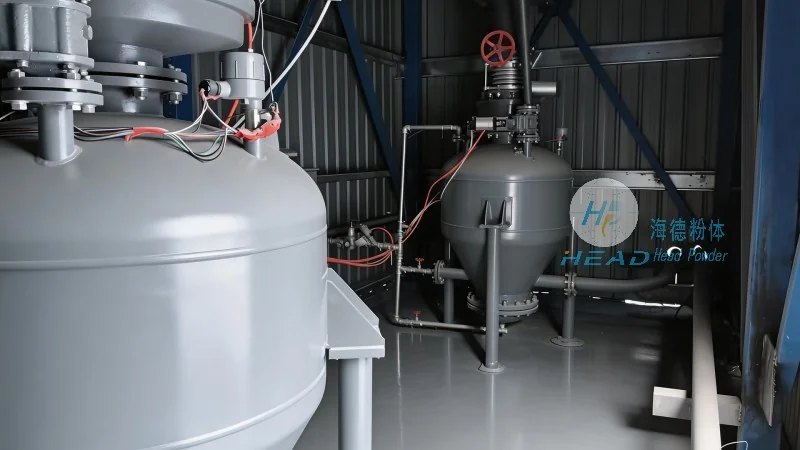
The performance and reliability of the conveying equipment are paramount when choosing a manufacturer. Key performance indicators include conveying capacity, pressure drop, and energy efficiency. A high-quality manufacturer will provide detailed performance data and real-world case studies to demonstrate how their systems have performed in similar applications. For example, headpowder's pneumatic conveying systems are engineered to handle high volumes of biomass pellets while maintaining consistent pressure and low energy consumption. The use of durable materials, such as stainless steel and high-quality seals, further enhances the longevity of the equipment. Additionally, the manufacturer should offer comprehensive testing and validation processes to ensure that the equipment meets or exceeds industry standards. This includes pressure testing, material flow analysis, and operational simulations to identify potential issues before deployment.
Customization and Adaptability for Diverse Applications
Biomass processing facilities often have diverse and evolving needs, making customization a vital consideration when selecting a manufacturer. A one-size-fits-all approach may not be suitable for handling the variety of biomass materials and operational conditions. The ideal manufacturer should offer flexible solutions that can be tailored to meet specific requirements. This includes the ability to adjust system parameters, such as conveying velocity and pressure, to accommodate different pellet sizes and moisture levels. Headpowder, for instance, provides customized pneumatic conveying systems that can be integrated with existing infrastructure or designed as a complete turnkey solution. Their engineering team works closely with clients to understand their unique challenges and develop solutions that optimize material flow, reduce waste, and enhance overall operational efficiency. The adaptability of the system also allows for future expansion or modifications as the business grows.
Service and Support for Long-Term Partnership
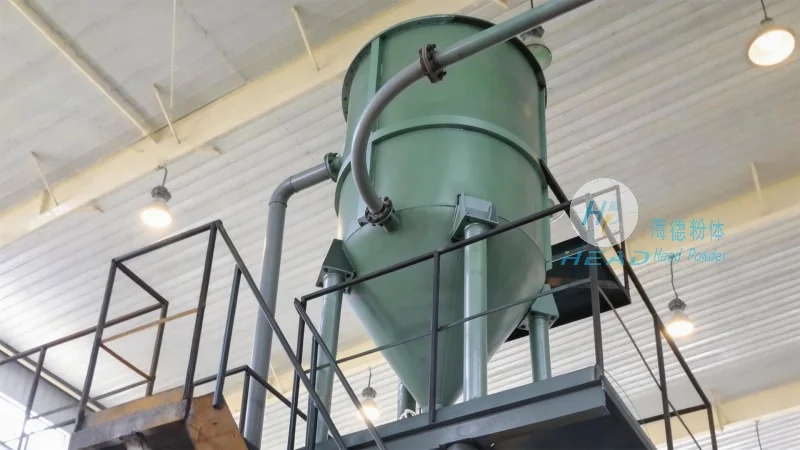
Choosing a manufacturer who offers comprehensive service and support is essential for ensuring the long-term success of your conveying system. This includes post-sales support, maintenance services, and technical assistance. A reliable manufacturer will provide training for your staff on system operation and maintenance, helping to minimize downtime and maximize equipment life. For instance, headpowder offers a range of support services, including on-site installation, regular maintenance checks, and 24/7 technical support. Their experienced technicians are available to address any issues promptly and provide solutions that keep your operations running smoothly. Additionally, the manufacturer should have a proven track record of customer satisfaction and a strong reputation in the industry. This can be assessed through customer testimonials, case studies, and references from similar biomass processing facilities. A long-term partnership with a manufacturer who is committed to your success can provide peace of mind and ensure that your conveying system remains efficient and reliable for years to come.