

Principle of Sodium Sulphate Pneumatic Conveying System
Understanding the fundamental principles of a sodium sulphate pneumatic conveying system is crucial for optimizing material handling processes in industrial applications. This system leverages the power of air to transport bulk materials, offering a versatile and efficient solution for moving sodium sulphate, a key chemical widely used in various industries such as glass manufacturing, paper production, and chemical synthesis. The core of this technology lies in the integration of air flow, pressure differentials, and material properties to achieve seamless material transport from source to destination.
Key Components and Their Functions
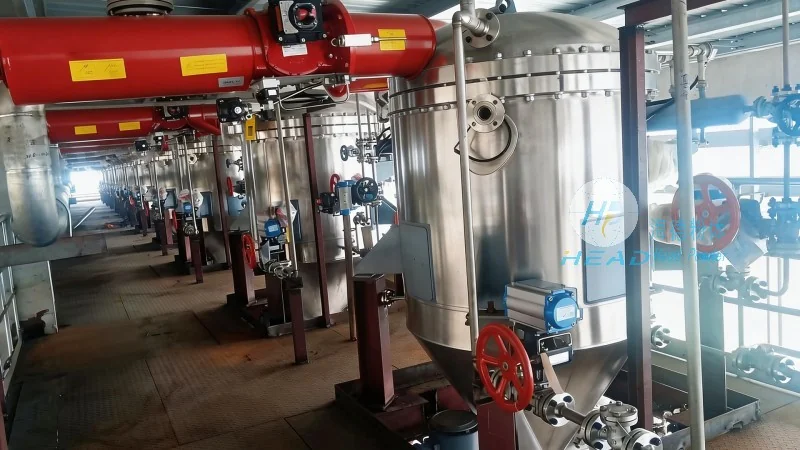
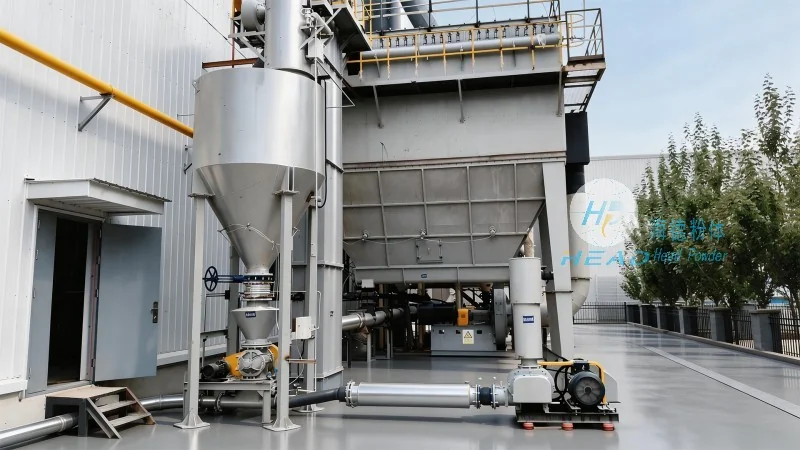
The sodium sulphate pneumatic conveying system consists of several critical components, each playing a vital role in the overall operation. The primary components include the material hopper, which serves as the storage and feeding unit, ensuring a consistent supply of sodium sulphate. The air compressor or blower generates the necessary air pressure to initiate and maintain the conveying process. The pipeline network connects the hopper to the discharge point, facilitating the movement of the material-air mixture. Additionally, the control system, which may include valves, sensors, and monitoring devices, regulates the flow and pressure to prevent system overload and ensure safe operation. Each component is designed to work in harmony, contributing to the system's reliability and efficiency.
Working Principle of Pneumatic Conveying
The operation of a sodium sulphate pneumatic conveying system is based on the principle of air movement and material suspension. When the air compressor starts, it creates a high-pressure air stream that enters the material hopper. The sodium sulphate particles are then drawn into the pipeline as the air flows, forming a dilute or dense phase flow depending on the system design and operational parameters. In the dilute phase system, the material is suspended in the air stream and transported through the pipeline, while in the dense phase system, the material is carried in a more concentrated form, often with higher pressure differentials. The system's performance is influenced by factors such as air velocity, material density, and particle size, all of which must be carefully considered during the design and installation process to ensure optimal conveying efficiency.
Advantages of Using a Pneumatic Conveying System for Sodium Sulphate
Implementing a pneumatic conveying system for sodium sulphate offers numerous advantages over traditional mechanical conveying methods. One of the most significant benefits is the ability to transport the material over long distances without the need for intermediate transfer points or manual handling. This reduces the risk of material contamination and improves overall process safety. Additionally, the system is highly flexible, allowing for easy integration with existing industrial setups and the ability to adjust conveying rates based on production demands. The enclosed pipeline design minimizes dust emissions and environmental impact, making it a more environmentally friendly option compared to open-air conveying methods. Furthermore, the system's ability to handle varying material conditions, including moisture content and particle size variations, enhances its adaptability to different industrial applications.
System Design Considerations for Optimal Performance
Designing an effective sodium sulphate pneumatic conveying system requires careful consideration of several factors to ensure optimal performance and longevity. The first consideration is the selection of the appropriate air compressor or blower, which must be capable of delivering the required air volume and pressure to overcome the system's resistance and maintain material suspension. The pipeline diameter and length are critical parameters that affect the system's efficiency; larger diameters and longer lengths may require higher air pressures or additional booster units to maintain material flow. The material hopper design, including the feeding mechanism and air inlet, must be optimized to prevent material bridging and ensure consistent material feed. Additionally, the system's control system should include features such as pressure monitoring, flow rate control, and automatic shutdown in case of emergencies, enhancing operational safety and reliability. Proper maintenance and regular inspections are also essential to prevent system failures and extend the equipment's service life.
Applications and Industries Utilizing Sodium Sulphate Pneumatic Conveying Systems
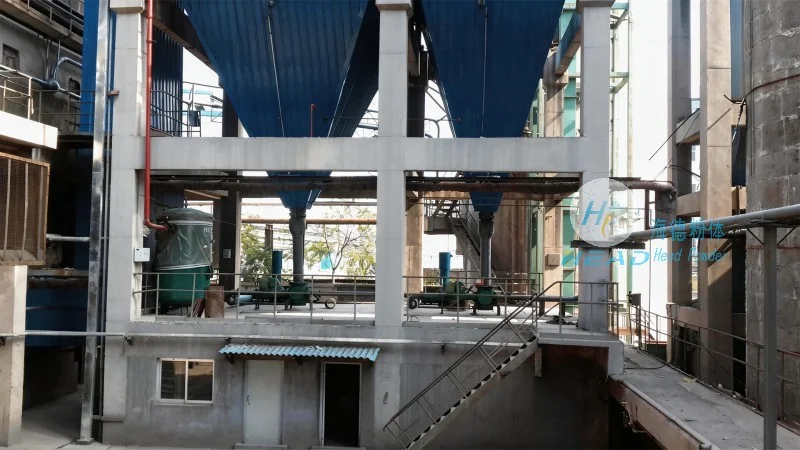
Sodium sulphate pneumatic conveying systems are widely used in various industries due to their versatility and efficiency. In the glass manufacturing industry, sodium sulphate is used as a raw material for glass production, and the pneumatic conveying system ensures a steady supply of the material to the production line. The paper industry utilizes sodium sulphate in the production of paper and paperboard, where the system helps transport the material from storage to processing units. In chemical synthesis, sodium sulphate is used as an intermediate in various chemical reactions, and the pneumatic conveying system facilitates its transport between different stages of the production process. Other industries, such as pharmaceuticals and food processing, may also benefit from the system's ability to handle bulk materials safely and efficiently. The adaptability of the system to different material characteristics and industrial requirements makes it a preferred choice for many applications.
Conclusion and Recommendations
In conclusion, the sodium sulphate pneumatic conveying system is a reliable and efficient solution for transporting bulk materials in industrial settings. By understanding the fundamental principles, key components, and operational considerations, industries can optimize their material handling processes and improve overall productivity. The system's advantages, including flexibility, safety, and environmental benefits, make it a valuable investment for companies dealing with sodium sulphate. For optimal performance, it is recommended to work with experienced engineering companies, such as Shandong HeadPowder Engineering Co., Ltd., which specializes in designing and implementing customized pneumatic conveying systems tailored to specific industrial needs. With proper design, installation, and maintenance, a sodium sulphate pneumatic conveying system can provide long-term benefits and contribute to the success of industrial operations.