

Components of Lithium Oxide Pneumatic Conveying
Understanding the components of lithium oxide pneumatic conveying systems is crucial for ensuring efficient and reliable material handling in industrial applications. The system's design and functionality are built upon several key elements that work in tandem to transport lithium oxide safely and effectively. This article explores the essential components that constitute a typical lithium oxide pneumatic conveying system, highlighting the expertise of Shandong HeadPowder Engineering Co., Ltd., a leading provider in the field.
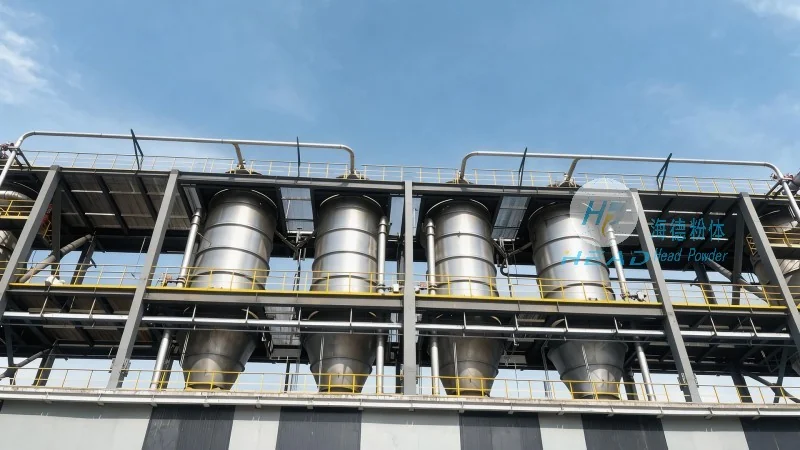
Key Components of Lithium Oxide Pneumatic Conveying Systems
The lithium oxide pneumatic conveying system comprises several critical components, each playing a vital role in the overall operation. These components are engineered to handle the unique properties of lithium oxide, ensuring minimal product degradation and optimal performance. The primary components include the material feed system, conveying pipelines, air supply system, separation and collection units, and control mechanisms.
1. Material Feed System
The material feed system is the initial stage of the lithium oxide pneumatic conveying process. It is responsible for accurately and consistently feeding lithium oxide into the conveying line. This system typically includes a hopper or silo that stores the material, a feeder such as a rotary valve or screw feeder to control the flow rate, and a feeder inlet or feeder throat that connects to the conveying pipeline. The design of the feed system is critical to prevent blockages and ensure a steady supply of material. Shandong HeadPowder Engineering Co., Ltd. specializes in designing feed systems that are tailored to the specific characteristics of lithium oxide, such as its density, flowability, and potential for caking. The company's engineers consider factors like material moisture content and particle size distribution to optimize the feed mechanism, ensuring smooth and continuous material introduction into the system.
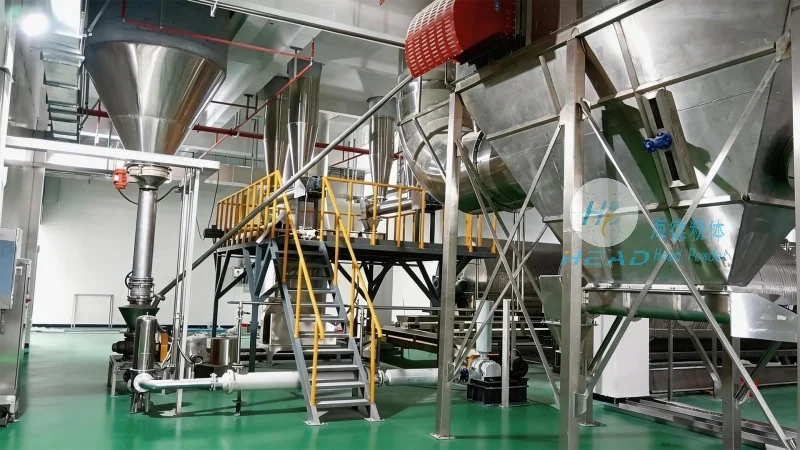
2. Conveying Pipelines
The conveying pipelines form the backbone of the lithium oxide pneumatic conveying system, transporting the material from the feed point to the destination. These pipelines are typically made of materials that are resistant to corrosion and wear, such as stainless steel or special alloys, to withstand the abrasive nature of lithium oxide particles. The pipeline design includes bends, elbows, and straight sections, which are carefully engineered to minimize pressure losses and maintain the velocity of the conveying air. The diameter and length of the pipelines are determined based on the required flow rate, material throughput, and the distance between the feed and discharge points. Shandong HeadPowder Engineering Co., Ltd. uses advanced computational fluid dynamics (CFD) simulations to optimize pipeline geometry, ensuring efficient material transport while reducing energy consumption. The company's pipelines are manufactured to meet strict industry standards, providing durability and reliability in handling lithium oxide.
3. Air Supply System
The air supply system provides the necessary airflow to move lithium oxide particles through the conveying pipelines. This system includes a blower or compressor that generates the required air pressure and volume. The choice of air source depends on the application, with options ranging from positive displacement blowers to centrifugal compressors. The air supply system also incorporates filters and moisture separators to ensure that the conveying air is clean and dry, preventing contamination of the lithium oxide and damage to the system components. Shandong HeadPowder Engineering Co., Ltd. selects air supply equipment based on the specific conveying requirements, such as the material's dustiness and the desired conveying velocity. The company's air systems are designed for high efficiency and low maintenance, contributing to the overall cost-effectiveness of the pneumatic conveying operation.
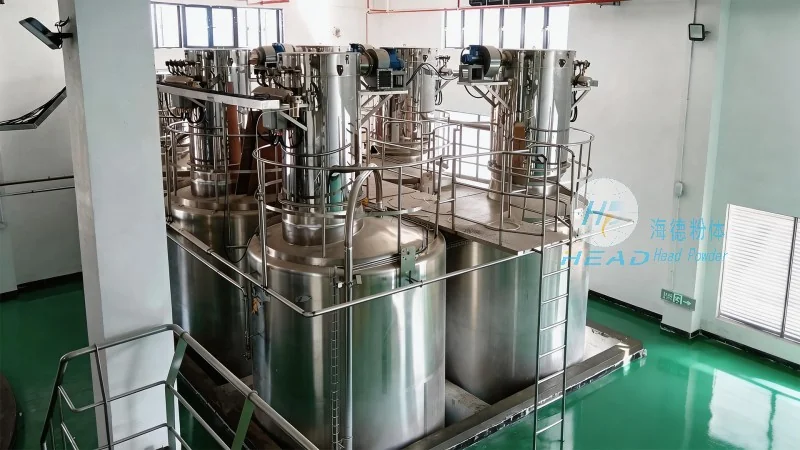
4. Separation and Collection Units
At the end of the conveying line, the separation and collection units are responsible for separating the conveying air from the lithium oxide particles and collecting the material in a designated container. These units typically include a cyclone separator or a baghouse filter. The cyclone separator uses centrifugal force to separate particles from the air stream, while the baghouse filter captures fine particles using fabric bags. The design of these units is critical to achieve high separation efficiency and prevent dust emissions. Shandong HeadPowder Engineering Co., Ltd. offers customized separation solutions that are tailored to the characteristics of lithium oxide, ensuring that the collected material is free from contamination and meets the required purity standards. The company's separation systems are equipped with advanced control mechanisms to optimize performance and minimize energy usage.
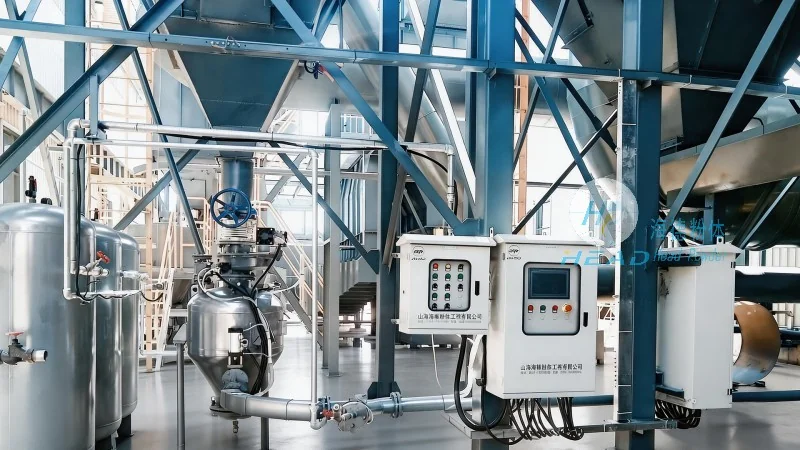
5. Control Mechanisms
The control mechanisms are essential for monitoring and regulating the operation of the lithium oxide pneumatic conveying system. These systems include sensors, control valves, and a central control panel that manages the flow of material and air. The sensors monitor parameters such as pressure, flow rate, and temperature, providing real-time data to the control system. The control valves adjust the air supply and material feed rates to maintain optimal operating conditions. The central control panel allows operators to monitor the system's performance and make adjustments as needed. Shandong HeadPowder Engineering Co., Ltd. integrates advanced control technologies into its systems, ensuring precise control and automation. The company's control systems are designed for user-friendly operation and can be integrated with existing industrial control networks, enhancing overall system efficiency and reliability.
Conclusion
In summary, the components of a lithium oxide pneumatic conveying system work together to provide an efficient and reliable method for transporting lithium oxide. Each component is carefully designed and engineered to handle the unique properties of lithium oxide, ensuring minimal product degradation and optimal performance. Shandong HeadPowder Engineering Co., Ltd. plays a crucial role in the design and implementation of these systems, leveraging its expertise to deliver customized solutions that meet the specific needs of industrial applications. By understanding the key components and their functions, industries can enhance their material handling processes and improve overall operational efficiency.