

Components of River Sand Pneumatic Conveying
River sand pneumatic conveying systems are vital in industrial operations, especially in construction and material processing. These systems utilize air pressure to transport river sand from storage areas to processing sites or construction locations. A comprehensive understanding of the system’s components is essential for optimizing performance, ensuring reliability, and maintaining efficiency in material handling.
About HeadPowder Engineering
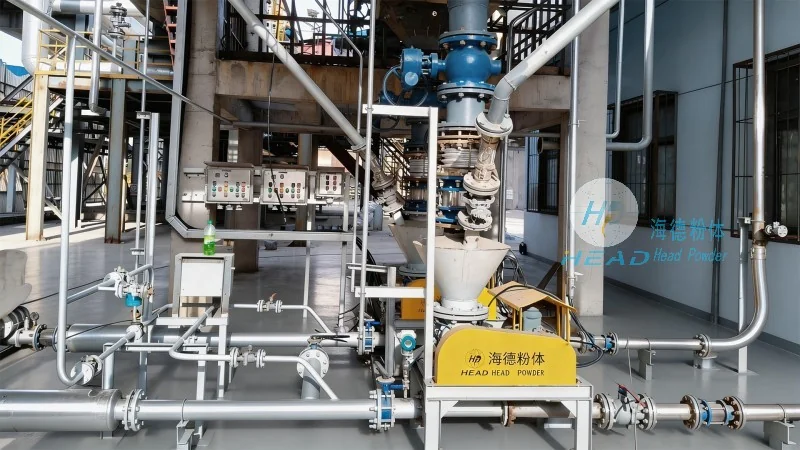
HeadPowder Engineering, a prominent entity in the industry, specializes in the design, manufacturing, and implementation of advanced pneumatic conveying solutions. Headquartered in Shandong, China, the company has built a strong reputation as a trusted provider of high-quality material transport systems. With a focus on innovation and customer-centric solutions, HeadPowder caters to diverse industrial needs, delivering systems that are durable, efficient, and tailored to specific operational requirements.
Key Components of River Sand Pneumatic Conveying
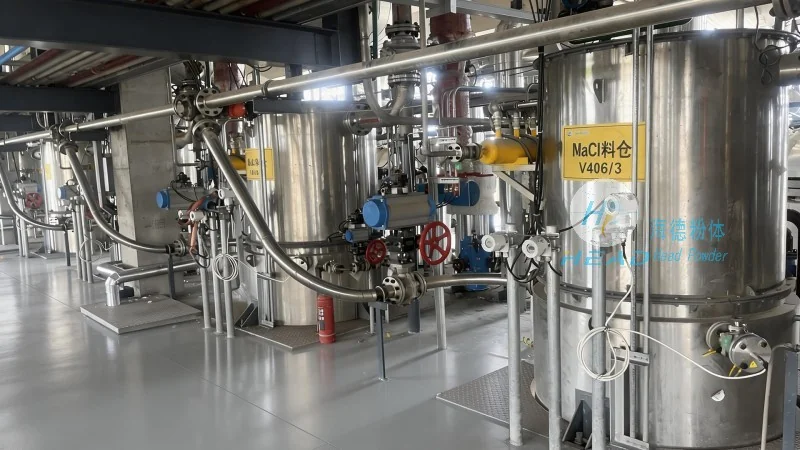
The fundamental components of a river sand pneumatic conveying system consist of several critical elements. The material hopper serves as the primary storage and feeding unit, where river sand is collected and prepared for transport. It features a hopper bottom designed to facilitate smooth material discharge into the conveying line. The air compressor is another crucial component, responsible for generating the necessary pressure to move the sand through the pipeline. This component directly impacts the system’s conveying capacity and overall efficiency. The conveying pipeline, typically constructed from stainless steel or other corrosion-resistant materials, forms the pathway for the sand and air mixture. Its design, including bends, fittings, and length, influences the system’s performance and pressure drop. The control system manages the operation by regulating air flow and material feed, ensuring optimal conditions for consistent and reliable transport.
Material Handling and System Integration
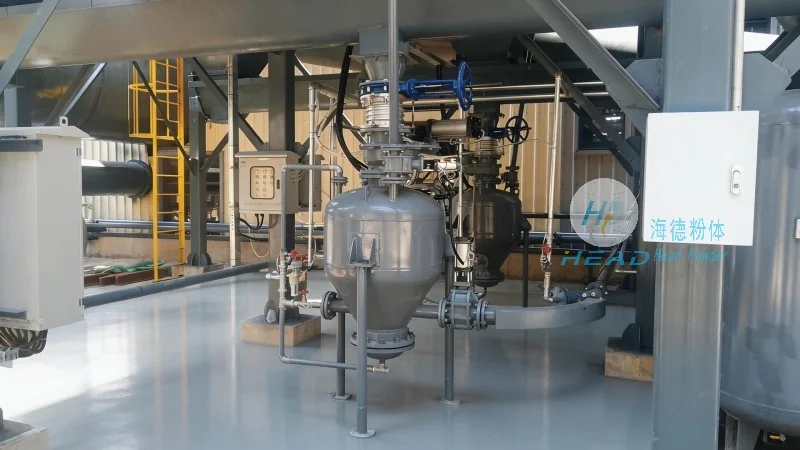
In the context of river sand pneumatic conveying, the integration of these components is vital for seamless operation. The material hopper must be sized appropriately to handle the volume of sand, preventing blockages and ensuring continuous feed. The air compressor’s capacity must match the system’s requirements, providing sufficient pressure to overcome pipeline resistance and maintain flow. The conveying pipeline’s design, including the use of appropriate fittings and bends, minimizes pressure loss and ensures the sand is transported efficiently. The control system plays a key role in monitoring and adjusting the system parameters, such as air pressure and material flow rate, to maintain stable operation. This integration ensures that the system operates at peak efficiency, reducing downtime and operational costs.
Applications and Benefits
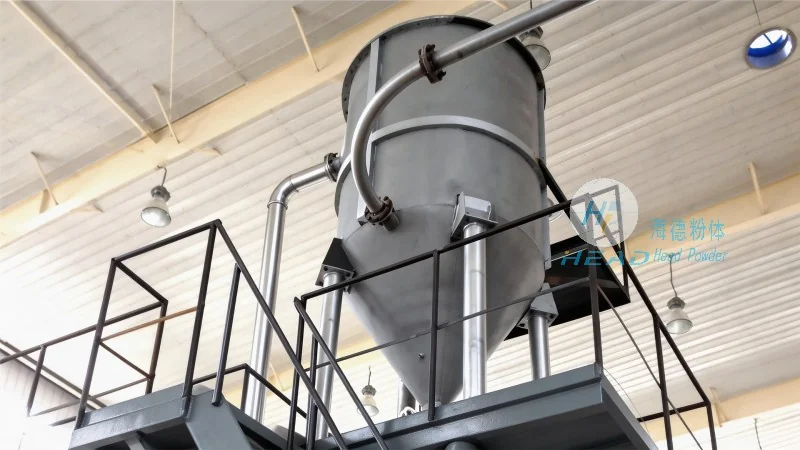
River sand pneumatic conveying systems are widely used in various applications, including construction, mining, and manufacturing. The primary benefits of these systems include reduced labor costs, improved safety by eliminating manual handling, and increased operational efficiency. By automating the transport process, industries can enhance productivity and minimize the risk of material contamination. The systems also offer flexibility in terms of layout, allowing for horizontal, vertical, or mixed conveying configurations to suit different site requirements. Additionally, the use of pneumatic conveying reduces the need for additional equipment, such as conveyors or trucks, further streamlining material handling processes.