

Main Structures of Methylcellulose Air-Flow Transport Systems?
For industries dealing with methylcellulose, understanding the air-flow transport structures is crucial for efficient material handling. The primary components and systems involved in such operations are designed to ensure optimal performance, reliability, and safety. This overview focuses on the key structural elements that constitute a methylcellulose air-flow transport system, providing insights into their functions and importance. The information is presented by Shandong HeadPowder Engineering Co., Ltd., a leading provider of engineering solutions for material handling systems, with operations based in Shandong, China.
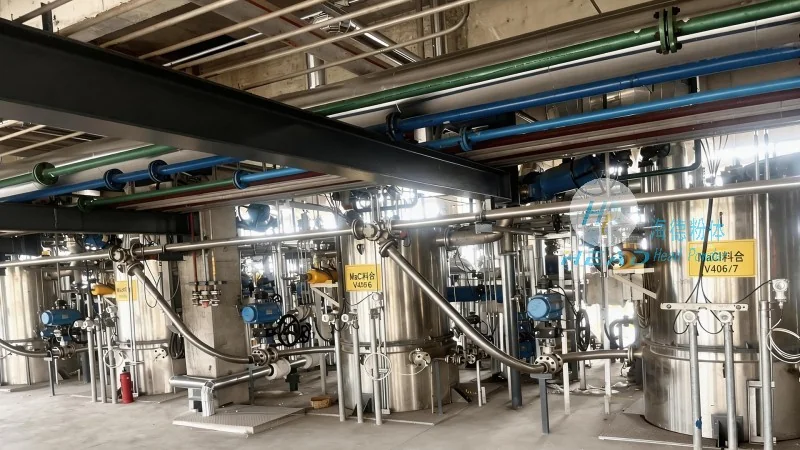
Key Structural Components of Methylcellulose Air-Flow Transport
The air-flow transport system for methylcellulose typically comprises several critical components that work in tandem to facilitate the movement of the material. These components are engineered to handle the unique properties of methylcellulose, such as its viscosity and flow characteristics. The main structural elements include the feed hopper, air supply system, conveying ducts, and control mechanisms. Each of these components plays a vital role in the overall efficiency of the transport process.
Feed Hopper and Material Preparation
The feed hopper is the initial structural component where methylcellulose is stored and prepared for transport. It is designed to hold the material in a controlled manner, ensuring a consistent feed rate to the air supply system. The hopper may include features like agitators or level sensors to maintain material flow and prevent clogging. This component is essential for maintaining the integrity of the material and preventing degradation during the transport process. The design of the feed hopper is tailored to the specific characteristics of methylcellulose, such as its tendency to stick or agglomerate, ensuring smooth material discharge.
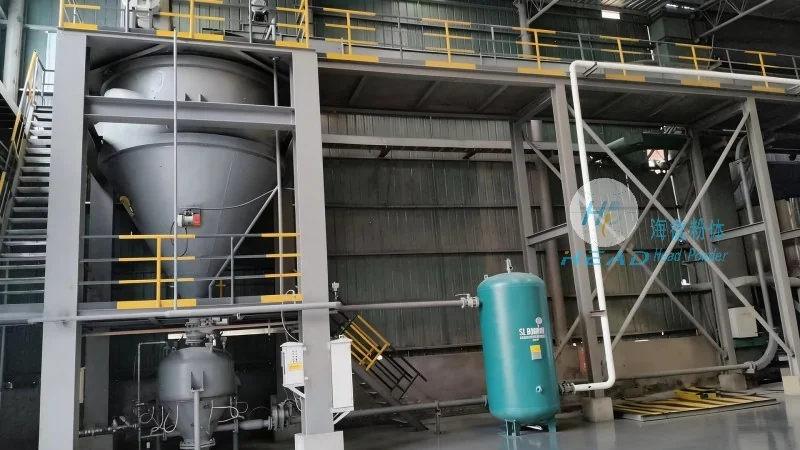
Air Supply System and Conveying Ducts
The air supply system is a critical structural element that generates the necessary airflow to move the methylcellulose particles through the ducts. This system typically includes a blower or fan that produces the required pressure and volume of air. The conveying ducts are made of materials resistant to the chemical properties of methylcellulose, such as stainless steel or specialized plastics, to prevent corrosion and material buildup. The ducts are designed with smooth surfaces and appropriate diameters to minimize friction and ensure efficient transport. The air supply system and ducts work together to create a consistent flow of material, maintaining the desired velocity and pressure throughout the transport process.
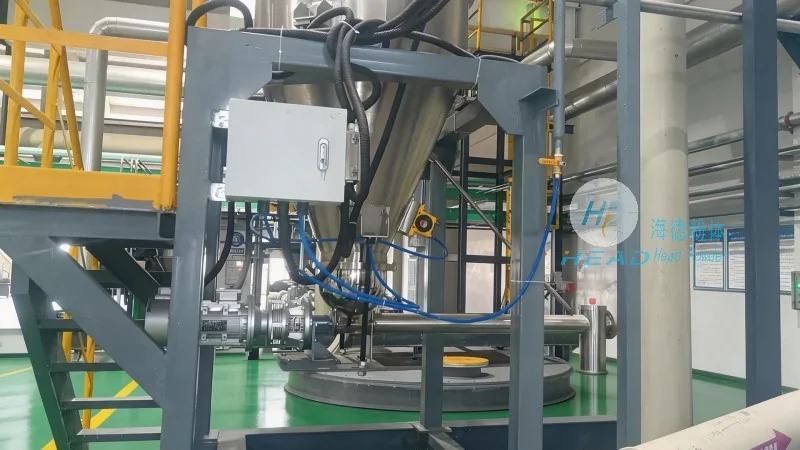
Control and Monitoring Structures
Control and monitoring structures are essential for managing the air-flow transport system effectively. These components include sensors for measuring pressure, flow rate, and material level, as well as control valves and regulators to adjust the air supply and material feed. The control system ensures that the transport process operates within safe and efficient parameters, preventing overloading or underflow. Additionally, safety features like pressure relief valves and emergency shut-off mechanisms are integrated into the structural design to protect the system and personnel from potential hazards. The monitoring structures provide real-time data on the system's performance, allowing for timely adjustments and maintenance.
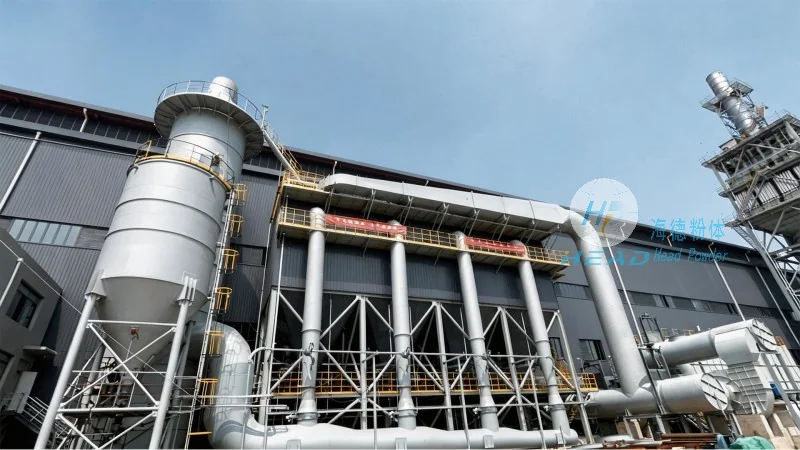
Integration with Industrial Processes
The air-flow transport structures for methylcellulose are often integrated into larger industrial processes, such as manufacturing or packaging lines. The design of these structures must consider the overall flow of materials and the compatibility with other equipment. For example, the transport system may connect to a mixing or drying unit, where the methylcellulose is further processed after being transported. The integration of the air-flow transport structures with other components ensures a seamless and efficient workflow, minimizing downtime and maximizing productivity. The structural design also accounts for space constraints and operational requirements, ensuring that the system fits within the existing industrial setup.
Maintenance and Durability Considerations
Maintenance and durability are important considerations for the structural components of methylcellulose air-flow transport systems. The materials used in the construction of the system, such as stainless steel or high-quality plastics, are chosen for their resistance to corrosion and wear. Regular maintenance, including cleaning and inspection of the ducts and feed hopper, is necessary to prevent material buildup and ensure optimal performance. The structural design also includes features that facilitate maintenance, such as easy access panels and removable components. The durability of the system is crucial for long-term operation, as methylcellulose can be abrasive and may cause wear on the components over time. Proper maintenance and regular inspections help to extend the lifespan of the system and reduce the risk of breakdowns.