

[MAT]Main Airslide Conveyor Structures for Bentonite
When it comes to handling bentonite efficiently and safely, airslide conveyor systems are a crucial component in many industrial processes. These systems utilize the principle of air flow to move bulk materials like bentonite, offering advantages such as low maintenance, minimal product contamination, and the ability to operate in various environments. Understanding the main airslide conveyor structures is essential for selecting the right equipment for specific applications. This article will explore the key airslide conveyor structures used in bentonite handling, providing insights into their design, functionality, and suitability for different industrial needs.
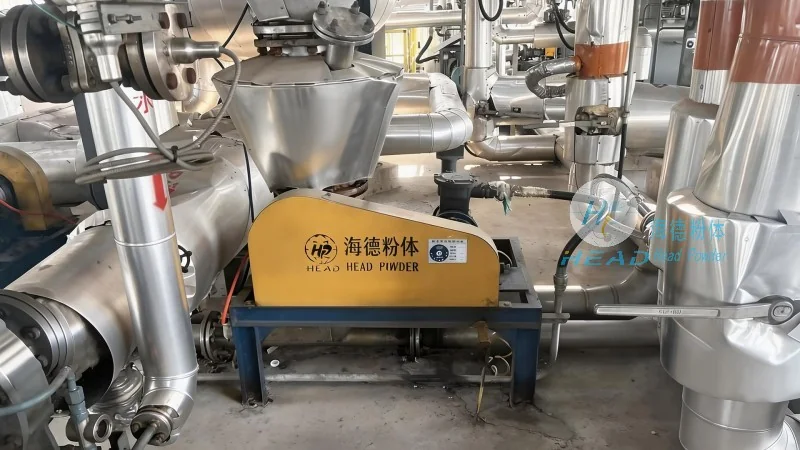
Introduction to Bentonite and Airslide Conveyors
Bentonite is a natural clay mineral widely used in various industries, including construction, drilling, and pharmaceuticals, due to its unique properties like high swelling capacity and adsorption. Handling bentonite requires specialized equipment to maintain its quality and prevent degradation. Airslide conveyors, also known as pneumatic conveyors, are ideal for this purpose as they use air pressure to transport dry, free-flowing materials without direct contact with mechanical parts. This method ensures that the bentonite remains in its original state, preserving its properties for downstream applications.
Key Airslide Conveyor Structures for Bentonite Handling
There are several main airslide conveyor structures designed to handle bentonite effectively. The most common types include straight-line conveyors, curved or bend sections, and discharge hoppers. Each structure serves a specific purpose in the overall conveying system, allowing for flexible and efficient material movement.
1. Straight-Line Airslide Conveyors
Straight-line airslide conveyors are the most basic and widely used structure for transporting bentonite. These conveyors consist of a flat, perforated or slotted belt that is supported by a series of air jets or a continuous air flow. The air is introduced beneath the belt, creating a cushion that lifts the bentonite particles and moves them along the conveyor. The design is simple and robust, making it suitable for long-distance horizontal or slight incline conveying. The straight-line structure is ideal for applications where the bentonite needs to be transported over a straight path without any changes in direction. The material flows smoothly and consistently, ensuring minimal segregation and product loss.
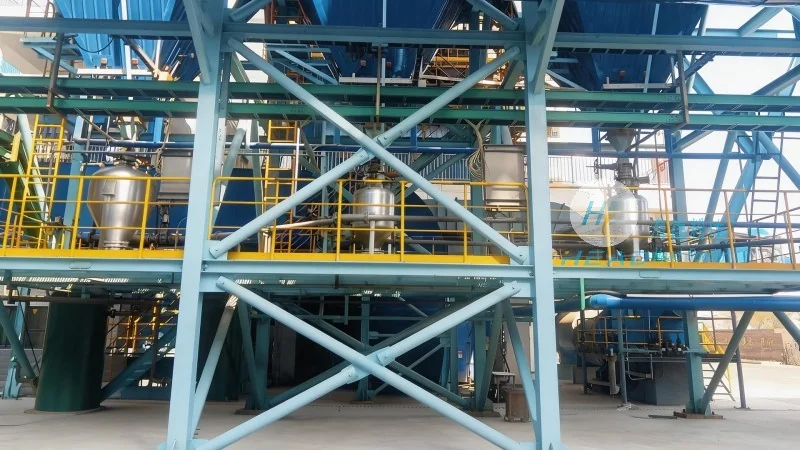
2. Curved or Bend Airslide Sections
In many industrial setups, bentonite needs to be conveyed around corners or through different levels. Curved or bend airslide sections are designed to handle these changes in direction while maintaining the efficiency of the conveying process. These sections are typically made of the same material as the straight-line conveyors but are manufactured with a specific curvature to accommodate the bend. The air flow is adjusted to maintain the material's movement through the curve, preventing material buildup or spillage. The bend sections are crucial for integrating airslide conveyors into existing plant layouts, allowing for flexible system designs. They are particularly useful in facilities where space is limited or where the conveyor path needs to follow the existing infrastructure.
3. Discharge Hoppers and Chutes
Discharge hoppers and chutes are essential components of the airslide conveyor system, responsible for transferring the bentonite from the conveyor to the next processing stage. The hopper is designed to collect the material as it exits the conveyor and then discharge it into a storage bin or processing equipment. The chute connects the hopper to the receiving vessel, ensuring a smooth and controlled flow of material. The design of the hopper and chute is critical to prevent material bridging or clogging, which can disrupt the entire conveying process. Properly designed discharge hoppers and chutes help maintain the flow rate and prevent product loss, ensuring consistent operation. The components are typically made of durable materials like stainless steel or high-density polyethylene to withstand the abrasive nature of bentonite and the air pressure used in the system.
4. Inclined Airslide Conveyors
For applications where bentonite needs to be transported vertically or over a significant incline, inclined airslide conveyors are used. These structures are designed to handle the increased gravitational forces while maintaining the air flow to keep the material moving. The conveyor belt is inclined at an angle, and the air is introduced at a higher pressure to counteract the downward pull of gravity. The inclined design is efficient for vertical or steep incline conveying, reducing the need for additional equipment like elevators or elevators. The structure is robust and can handle high material loads, making it suitable for large-scale bentonite handling operations. The inclined airslide conveyor is particularly useful in facilities where vertical space is available and where the material needs to be lifted to a higher level for processing or storage.
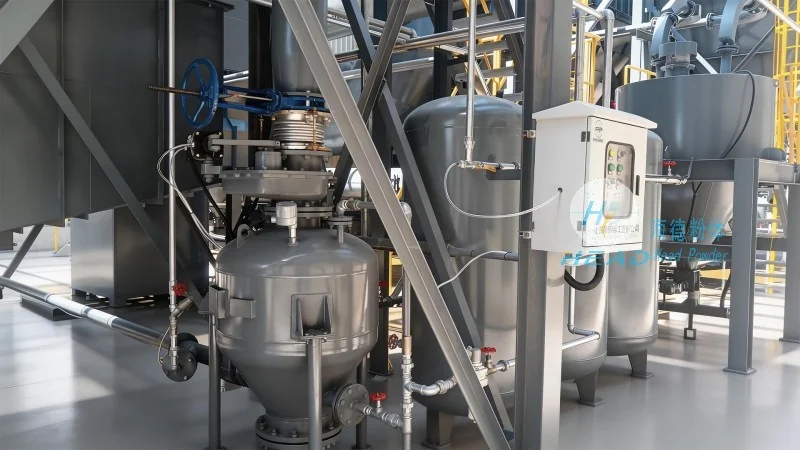
5. Modular Airslide Systems
Modular airslide systems are a modern approach to bentonite handling, offering flexibility and ease of installation. These systems consist of pre-engineered modules that can be assembled into various configurations to suit specific plant layouts. The modular design allows for easy expansion or reconfiguration of the conveyor system as production needs change. Each module is designed to handle a specific section of the conveying process, such as a straight run, a bend, or a discharge hopper. The modules are connected using standard interfaces, reducing installation time and cost. Modular airslide systems are particularly beneficial for new construction projects or for upgrading existing facilities, as they can be customized to meet the exact requirements of the bentonite handling process. The flexibility of these systems ensures that the conveyor can adapt to changes in production volume or product specifications without major modifications.
Selection Criteria for Airslide Conveyor Structures
When selecting the appropriate airslide conveyor structure for bentonite handling, several factors must be considered to ensure optimal performance and efficiency. The first consideration is the material characteristics of the bentonite, including its particle size, moisture content, and flowability. Different structures may be more suitable for specific material properties. For example, straight-line conveyors are ideal for fine, free-flowing bentonite, while inclined conveyors may be better for coarser or more cohesive materials. The second factor is the conveying distance and the required flow rate. The length and slope of the conveyor will determine the type of structure needed to achieve the desired throughput. The third factor is the available space and the existing plant layout. The flexibility of curved or modular systems may be necessary if space is limited or if the conveyor needs to integrate with existing equipment. Finally, the budget and maintenance requirements should be considered. The initial cost of the system versus the long-term maintenance costs will influence the choice of structure. By carefully evaluating these factors, industrial facilities can select the most suitable airslide conveyor structure for their bentonite handling needs.
Conclusion
Airslide conveyor structures play a vital role in the efficient and safe handling of bentonite in various industrial applications. The main structures, including straight-line, curved, discharge hoppers, inclined, and modular designs, each serve specific purposes and offer unique advantages. By understanding the design and functionality of these structures, industrial facilities can optimize their bentonite handling processes, ensuring consistent product quality and operational efficiency. The choice of the right airslide conveyor structure depends on several factors, including material properties, conveying requirements, and plant layout. With proper selection and maintenance, airslide conveyors can provide reliable and cost-effective solutions for bentonite transportation. As a leading provider of bentonite handling solutions, Shandong HeadPowder Engineering Co., Ltd. specializes in designing and manufacturing high-quality airslide conveyor systems tailored to meet the specific needs of industrial clients. With years of experience and a commitment to quality, HeadPowder offers innovative solutions that enhance the efficiency and productivity of bentonite handling operations.